
Last updated November 16, 2026
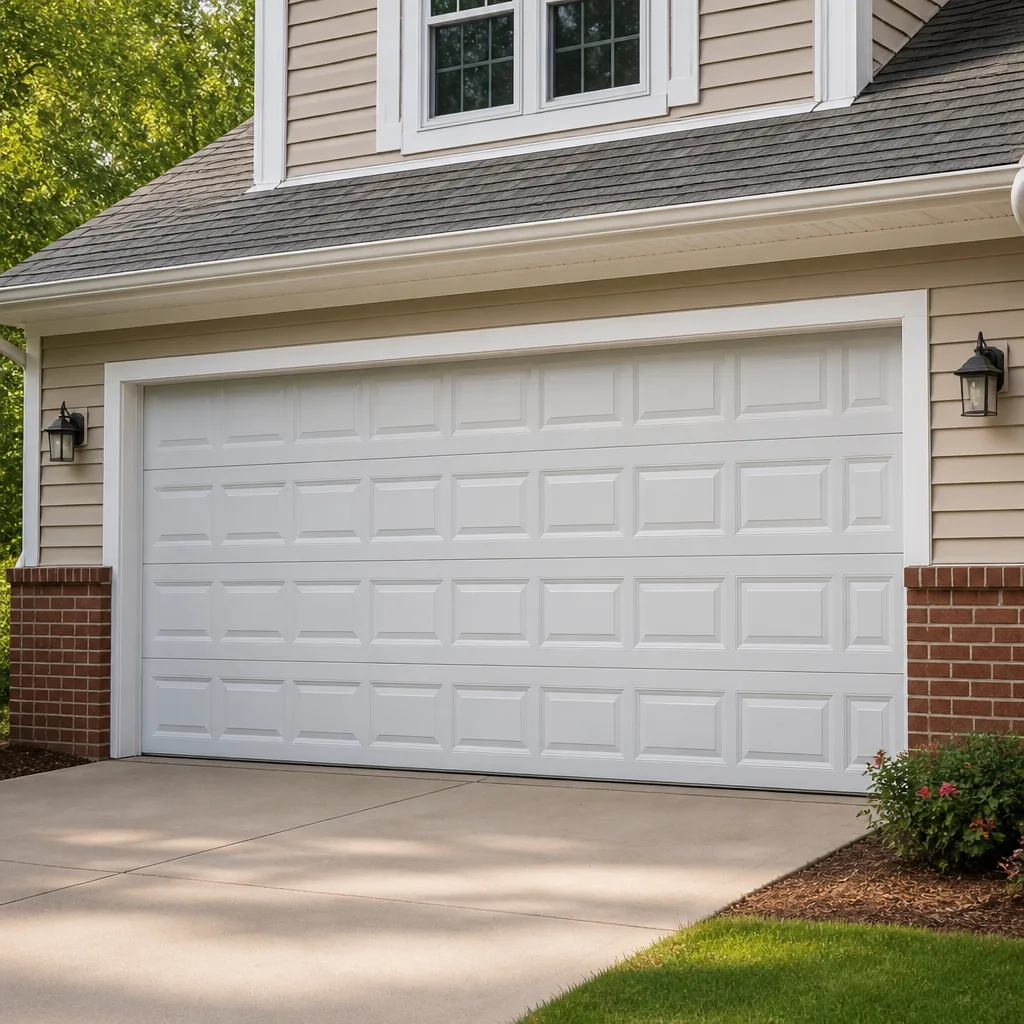 Raised-panel steel
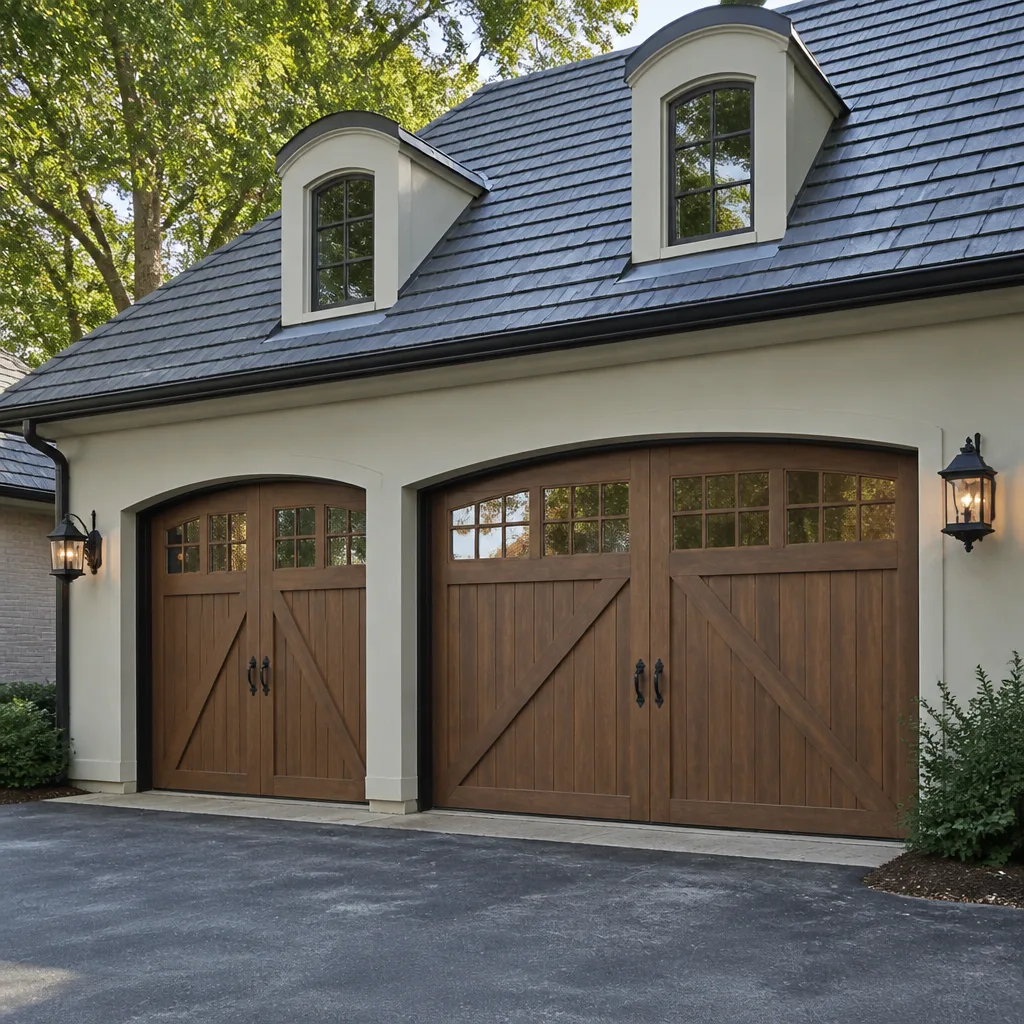 Carriage house
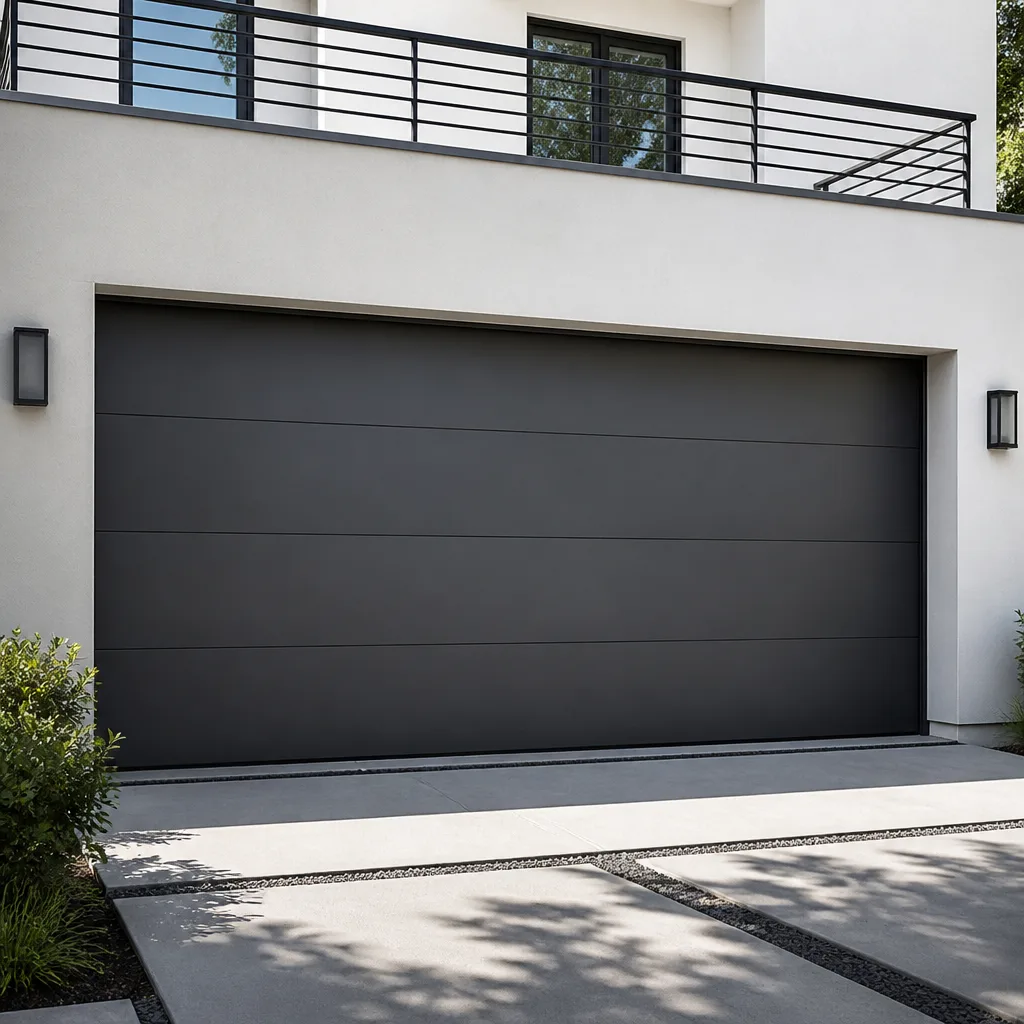 Modern flush
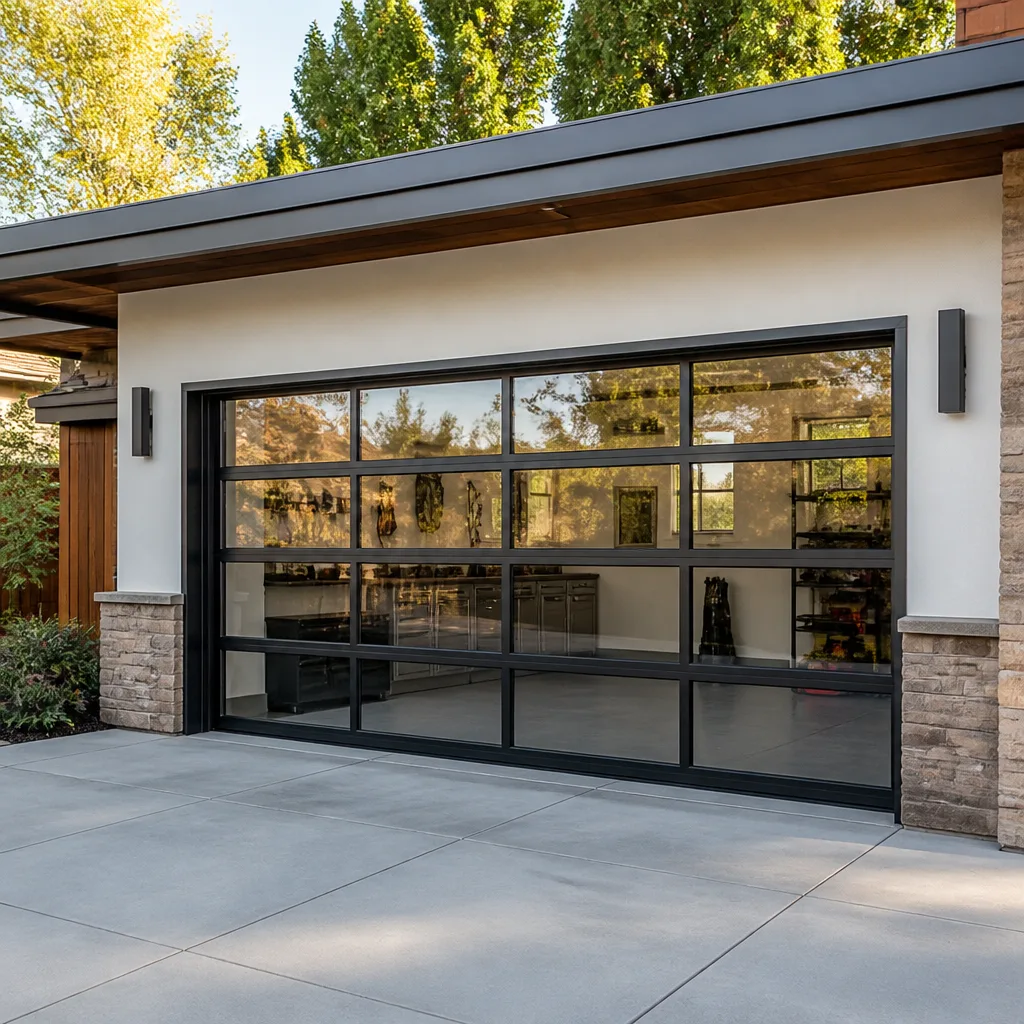 Full-view glass
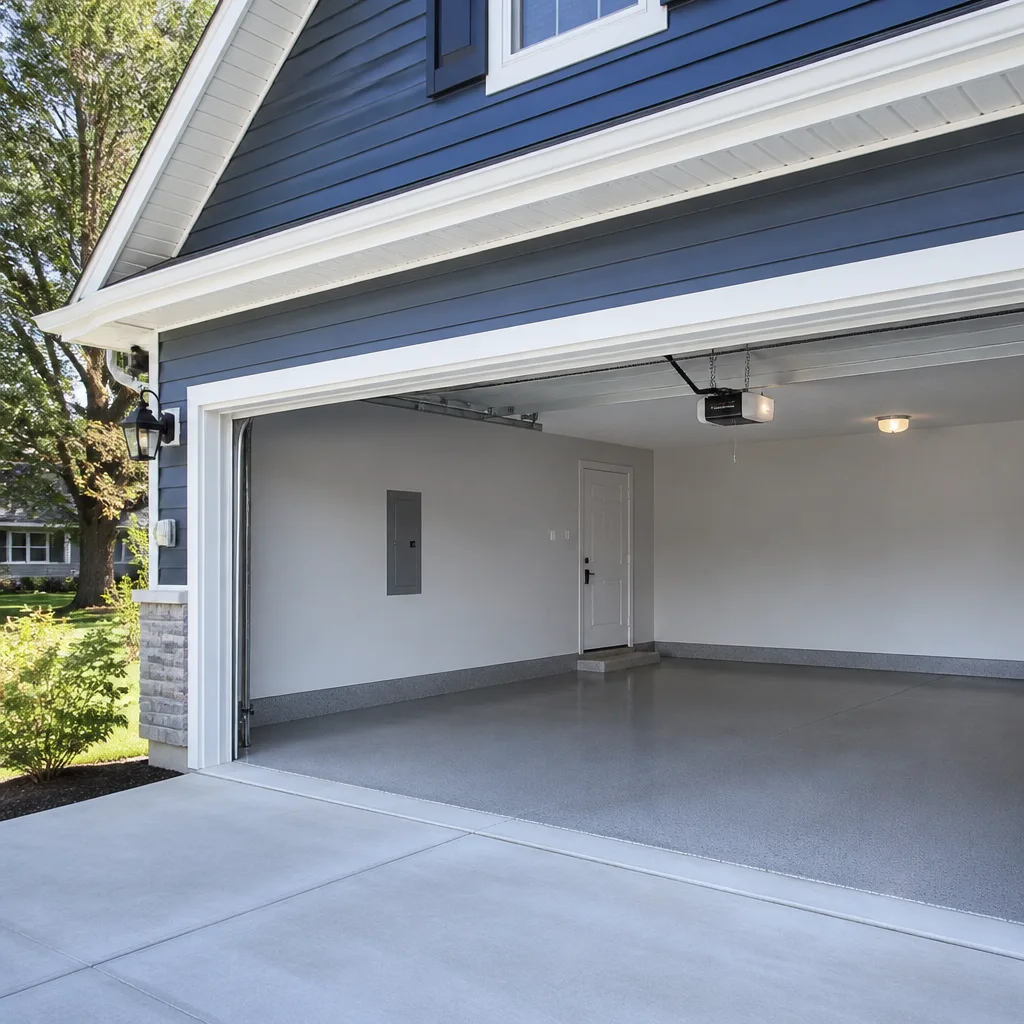 LiftMaster openers
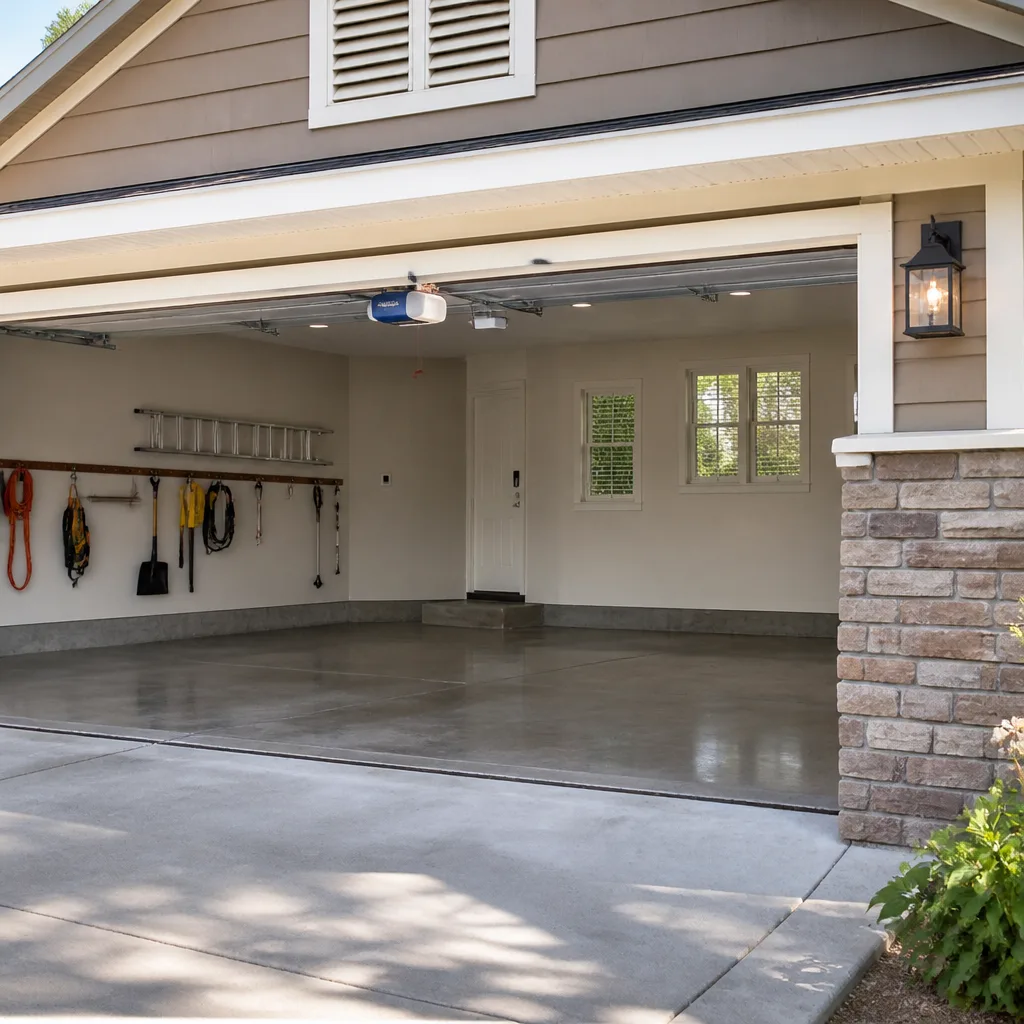 Chamberlain openers
Full 25-point door and opener safety check with every visit - springs, cables, rollers, tracks, and your LiftMaster or Chamberlain opener included
You get a price before we start. It does not change when the pro arrives.
Get your free estimateChoosing the Right Garage Door Brand: A Buyer’s Guide for Columbia
Every major garage door brand has a marketing sheet that makes it sound like the only logical choice. Those sheets rarely tell you how easy the door is to service five years from now, whether local technicians can get its parts without a three-week wait, how the finish holds up through a Howard County summer, or what happens when a warranty claim needs to be filed. In Columbia, where townhome communities and single-family neighborhoods sit side by side and plenty of doors are original builder equipment, the brand name on the panel matters far less than the installation quality and the service network behind it. This guide walks through the criteria that actually drive long-term ownership cost, compares the brands you’ll see most often around Columbia, and helps you match a door to how you really use your garage.
Quick Answer
The best garage door brand in Columbia, MD is the one whose parts your local technician can source quickly, whose warranty process is straightforward, and whose installation is done correctly by a specialist. Manufacturer spec sheets rank far below installation quality and service availability when it comes to long-term cost. For most Columbia homeowners, a well-installed mid-tier door from a major brand like Clopay, Amarr, or Wayne Dalton outperforms a premium door installed poorly.
Styles & brands we work with
- Raised-panel steel
- Carriage house
- Modern flush
- Full-view glass
- LiftMaster openers
- Chamberlain openers
Table of Contents
- The Three Criteria That Matter More Than Any Spec Sheet
- An Honest Look at the Brands Common in Columbia
- Why Builder-Grade Doors Are Often Rebadged Brands
- Steel Gauge and Insulation R-Value Decoded
- Matching Brand to Your Use Case
- How the Warranty Claim Process Really Works
- Installation Quality: The Variable Brand Marketing Ignores
- Common Mistakes to Avoid
The Three Criteria That Matter More Than Any Spec Sheet
When a homeowner asks us which garage door brand is best, the honest answer starts somewhere else: which brand can be lived with and serviced locally. Three factors drive that, and none of them appear in a manufacturer’s brochure.
1. Parts availability. Every garage door brand uses proprietary hardware on some level – spring sizes, roller profiles, hinge styles, opener accessories. When a panel is damaged or a torsion spring fails, the question is whether the parts can be sourced quickly. A brand with national distribution and standard hardware is far easier to repair than one with an oddball panel profile. We work regularly on Clopay, Amarr, Wayne Dalton, and Raynor because their hardware is common enough that repairs don’t turn into parts hunts.
2. Service network density in Howard County. A garage door is only as good as the number of trained technicians within reasonable distance who can service it. Columbia sits in a dense enough market that most major brands have service coverage, but specialty brands and imported doors can leave you waiting. Before picking a brand, ask which local companies service it. If the answer is thin, that’s a warning sign.
3. Warranty claim process. Most major brands offer warranties on panels, hardware, and finish, but the process for filing a claim differs. Some require the original installer to submit documentation; some allow any authorized technician. Read the warranty document before buying, not after the door fails. The size of the warranty number matters less than how easy the claim is to actually file.
An Honest Look at the Brands Common in Columbia
Columbia’s housing stock spans from late-1960s homes to new construction, and the brands on existing doors reflect that range. Here’s an honest look at the brands you’ll see most often, with where each excels and where it cuts corners at the entry price tier.
Clopay
Clopay is one of the most common brands in Columbia resale homes, and with good reason. Their mid-tier steel doors have solid gauge steel, consistent panel profiles, and hardware that’s easy to source. At the entry tier, Clopay tends to use thinner steel and lighter insulation, which shows up in how a door sounds when it opens. The Avante and Coachman lines are the ones most Columbia homeowners end up buying.
Amarr
Amarr leans toward value pricing without falling apart, and their Stratton and Heritage lines appear regularly on Columbia replacements. Where they cut corners at entry tier: insulation is often nominal (single-layer construction) and finish durability is a step below Clopay at the same price. Where they excel: their hardware is standard enough that repairs don’t get expensive.
Wayne Dalton
Wayne Dalton has a strong presence on Columbia properties, particularly in townhome communities. Their Classic Steel line is reliable, and their hardware is familiar to local technicians. The brand has moved further into insulated, higher-end doors in recent years, which is worth knowing if you’re replacing an older panel.
Raynor
Raynor doors are less common in Columbia residential installs but appear often enough that we know the hardware well. They lean commercial-grade in construction, which translates well to residential applications where durability matters more than appearance. If a Raynor door is on your home, it’s often a sign the original owner cared about longevity over showroom finish.
Steel gauge and construction details for these brands are covered in more depth further down. If your current door is one of these and it’s failing, garage door repair is usually faster and less expensive than replacement.
Why Builder-Grade Doors Are Often Rebadged Brands
Columbia’s resale market has a quirk worth knowing about: many homes built in the 1970s through the 1990s carry doors with builder-brand names that are actually rebadged versions of better-known manufacturers. A door labeled with the original builder’s name may be a Clopay panel, an Amarr frame, or a Wayne Dalton mechanism underneath. This matters because when it comes time to replace or repair, you can often use hardware and panels from the actual manufacturer.
How to check what you actually have:
- Look for a manufacturer label. On many doors, there’s a sticker or stamped marking on the inside face of a panel, on the bottom bracket, or on the vertical track. The builder’s name on the front doesn’t always match the manufacturer.
- Measure the panel height. Standard panels run 21, 24, or 27 inches. Combined with the door’s overall width and height, this narrows the likely manufacturer.
- Check the hardware profile. Hinge style, roller diameter, and track bolt patterns differ subtly between brands. A trained technician can often identify the manufacturer from hardware alone.
- Ask a specialist, not a general handyman. A garage door specialist sees these brands every week and can identify most doors from the hardware or a photo.
For homeowners in Columbia exploring Columbia, understanding the underlying brand on an existing door often saves a full replacement. A panel that looks builder-grade may take a Clopay or Amarr replacement panel without needing a full door.
Steel Gauge and Insulation R-Value Decoded
Steel gauge and R-value are the two specs most homeowners get pitched on and least understand. Here’s what those numbers actually mean for a Columbia home.
Steel gauge. Lower gauge means thicker steel, and thicker steel holds up better to impact and long-term fatigue. Entry-level doors often use 24- to 27-gauge steel, which dents more easily. Mid-tier doors use 24-gauge or heavier; premium doors use 20- to 22-gauge. For a family home in Columbia where kids on bikes and stray soccer balls are a real factor, 24-gauge steel or better is worth the upgrade.
Insulation R-value. Insulated garage doors carry an R-value, which measures resistance to heat flow. Single-layer steel doors have an R-value of about 0 – effectively uninsulated. Two-layer doors with polystyrene insulation run R-6 to R-9. Three-layer doors with polyurethane insulation can reach R-12 to R-18 or higher, depending on construction. The exact number matters less than what your garage is used for:
- Attached garage in Columbia: if the garage shares a wall or ceiling with living space, insulation on the door reduces heat loss into the house. R-9 or better is a reasonable target. A well-insulated door also quiets the operation and reduces condensation through humid summers.
- Detached garage: insulation still helps if you use the space regularly – workshop, home gym, storage – but the returns are more modest because the walls and roof aren’t conditioned either.
- Garage converted to conditioned workspace: treat the door as part of the building envelope. Insulation and a tight seal matter much more than brand name at this point.
Mid-Atlantic humidity is hard on any steel door. Better insulation and a proper seal keep condensation off the door, which slows the corrosion that eventually finds every steel panel.
Matching Brand to Your Use Case
Brand selection should follow how you actually use the garage, not which brand’s marketing hits hardest. Three common Columbia use cases and what each implies:
High-cycle family home
A home with two cars going in and out several times a day puts real cycles on the door. Prioritize hardware durability and opener capability over insulation. Brands like Clopay and Wayne Dalton hold up well here, and a LiftMaster or Chamberlain opener pairs naturally with their doors. Expect to service springs and hinges on a schedule regardless of brand.
Low-use second vehicle bay
A door that opens once a day is a different animal. Entry-tier doors from Amarr or Wayne Dalton are perfectly fine, and the money you save can go toward a better opener. Don’t overpay for a premium door that will never see the cycles.
Garage converted to conditioned workspace
Home gym, workshop, or home office in a Columbia garage: insulation and sealing are the deciding factors, not brand prestige. Three-layer insulated doors win here. If the door needs to open frequently, look for a quiet belt-drive opener rather than a chain drive, and don’t neglect the threshold seal.
Whichever use case fits, brand-agnostic repair should remain the first option. garage door opener repair is often the real fix when a door seems unreliable, and it’s called for before considering a full replacement.
How the Warranty Claim Process Really Works
Warranty language is the most misunderstood part of garage door brand selection. Most major brands offer warranties spanning panel construction, hardware, finish, and – separately – the opener if you buy a matched system. The numbers differ, but the process is what matters.
- Read the warranty before the door arrives. Not after. Some brands require registration within a window after installation, others are automatically registered through the installer.
- Understand who files the claim. Some warranties require the original installing dealer to file; some allow any authorized technician. If you might sell the home or move, know which applies.
- Know what voids the warranty. Improper installation, modification, or a mismatched opener commonly void panel or hardware coverage. This is why installation quality and brand selection are inseparable.
- Document with photos and dates. Good record-keeping speeds up any claim, particularly for finish failures or panel defects.
Warranty length matters less than the claim path. A 10-year panel warranty that’s hard to claim is worth less than a shorter warranty that’s straightforward. If you’re buying through an installer, ask them directly how they’ve handled claims and what their role is in resolving them. A specialist who works across many brands – including the eight we cover: LiftMaster, Chamberlain, Genie, Clopay, Amarr, Wayne Dalton, Craftsman, and Raynor – has direct experience with which manufacturers honor claims quickly.
Installation Quality: The Variable Brand Marketing Ignores
A premium garage door installed poorly will fail faster than a mid-tier door installed correctly. This is the single most overlooked factor in brand selection, and the one that costs Columbia homeowners the most over the life of the door. Common installation problems we see:
- Track misalignment. Vertical and horizontal tracks that are off-level by even a fraction of an inch cause the door to bind, wearing rollers and hinges early.
- Improper spring tension. Torsion springs are calibrated to the door’s weight. An installer who guesses will leave the door fighting its opener from day one.
- Inadequate anchoring. Hinge plates, brackets, and track anchors that aren’t lagged into solid framing work loose over time, and once loose they don’t resecure cleanly.
- Weatherseal gaps. A door that closes but doesn’t seal lets in water, insects, and cold air. In Columbia’s humid summers and occasional freeze-thaw winters, a poor seal accelerates wear on the bottom panel.
A garage door is a mechanical system balancing hundreds of pounds on springs. High-tension torsion springs and the cable system under them are genuinely dangerous to handle without training and the right tools. Adjusting or replacing springs is not a homeowner project – the risk of serious injury is real. This isn’t the place for a step-by-step guide; call a trained professional for anything involving the spring system. A specialist installation from a company that works on doors every day, rather than a handyman whose primary trade is something else, is the safest money you can spend on a garage door.
See the difference
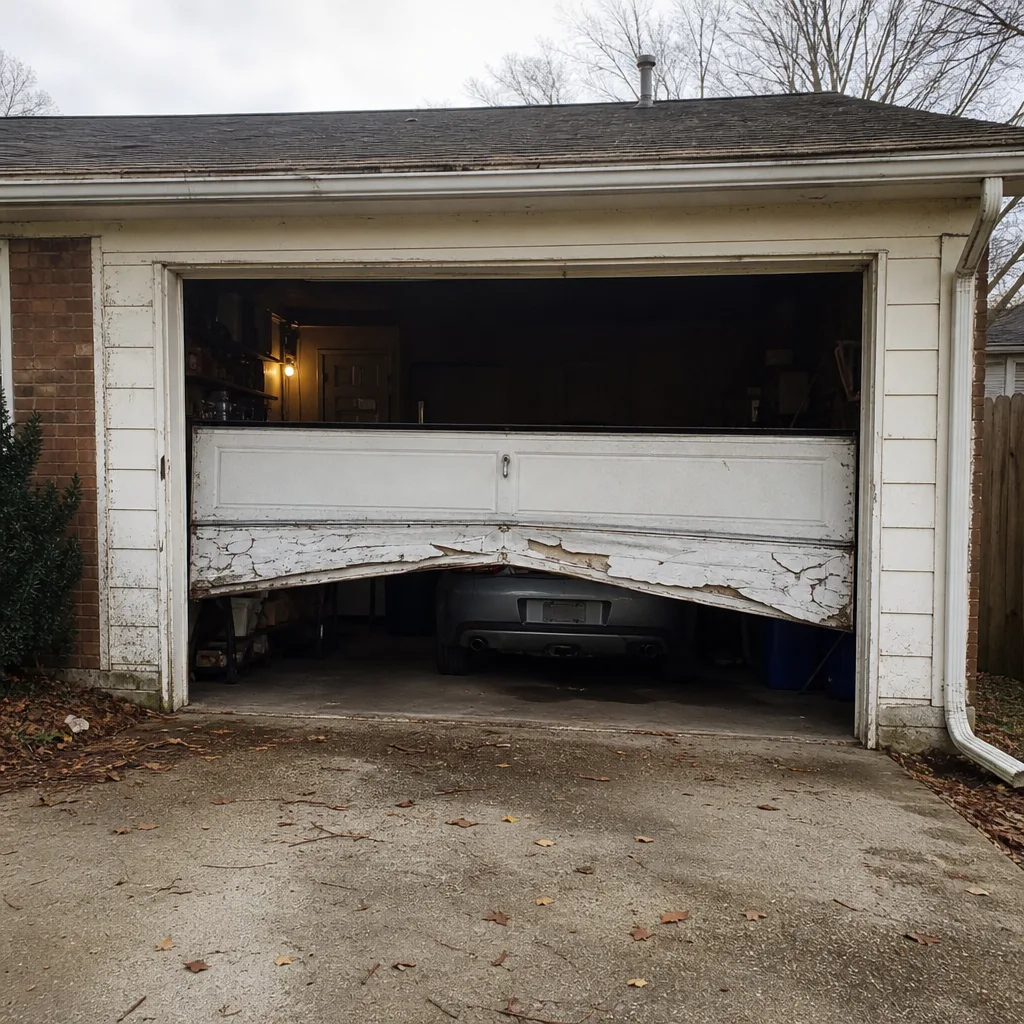 Before
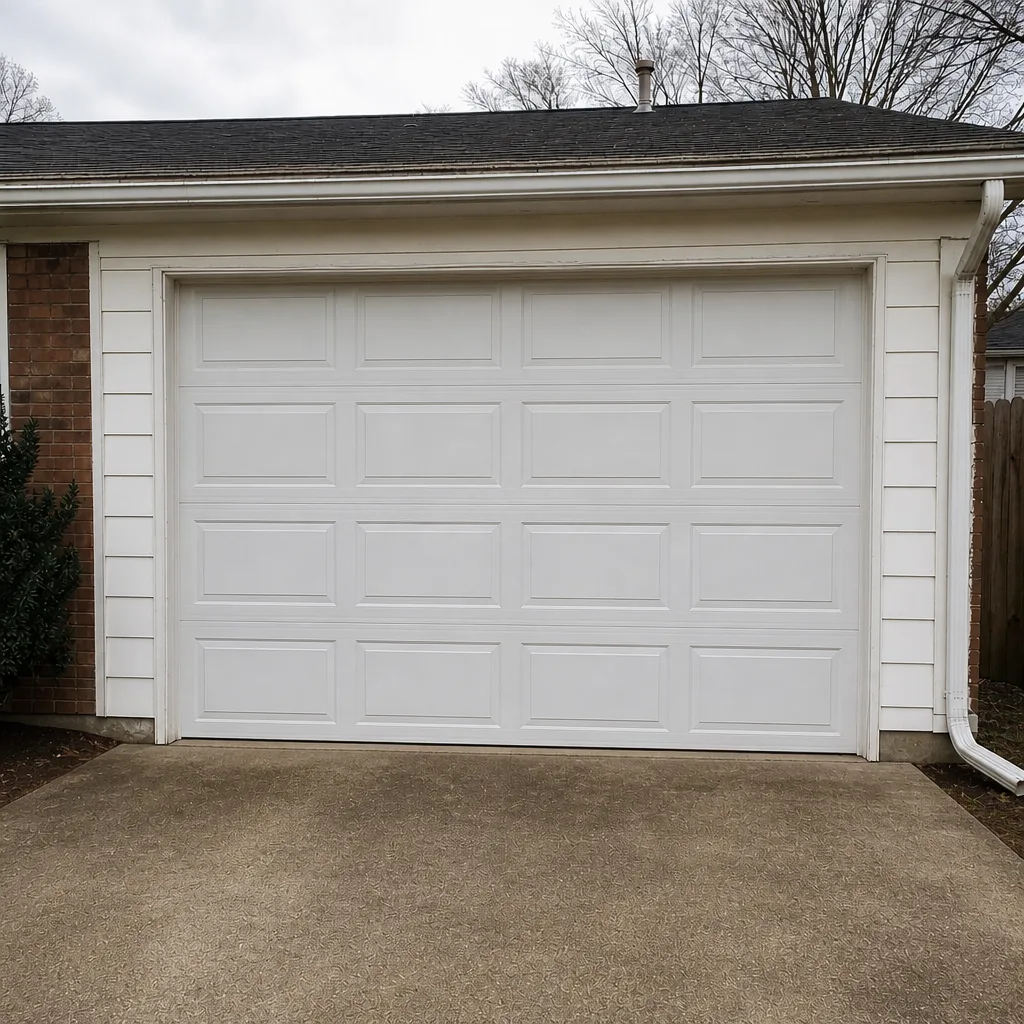 After
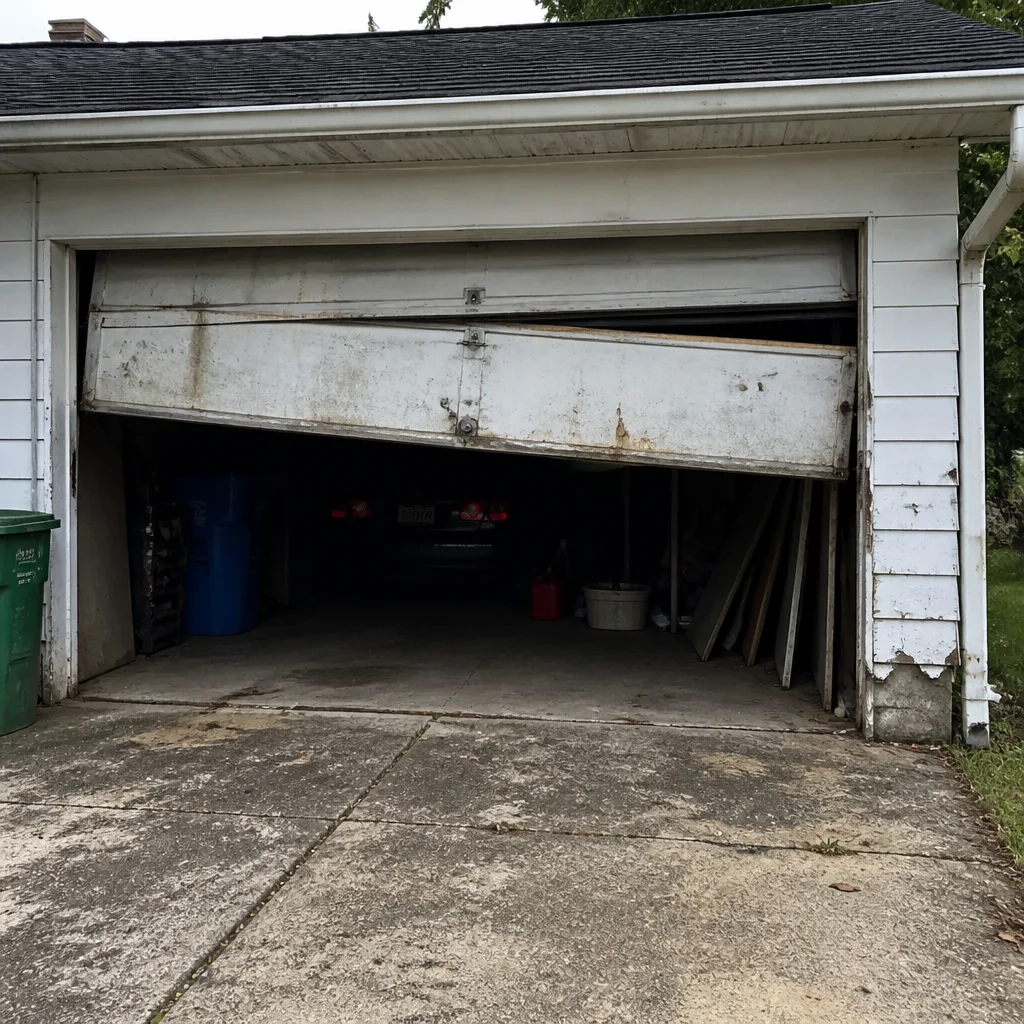 Before
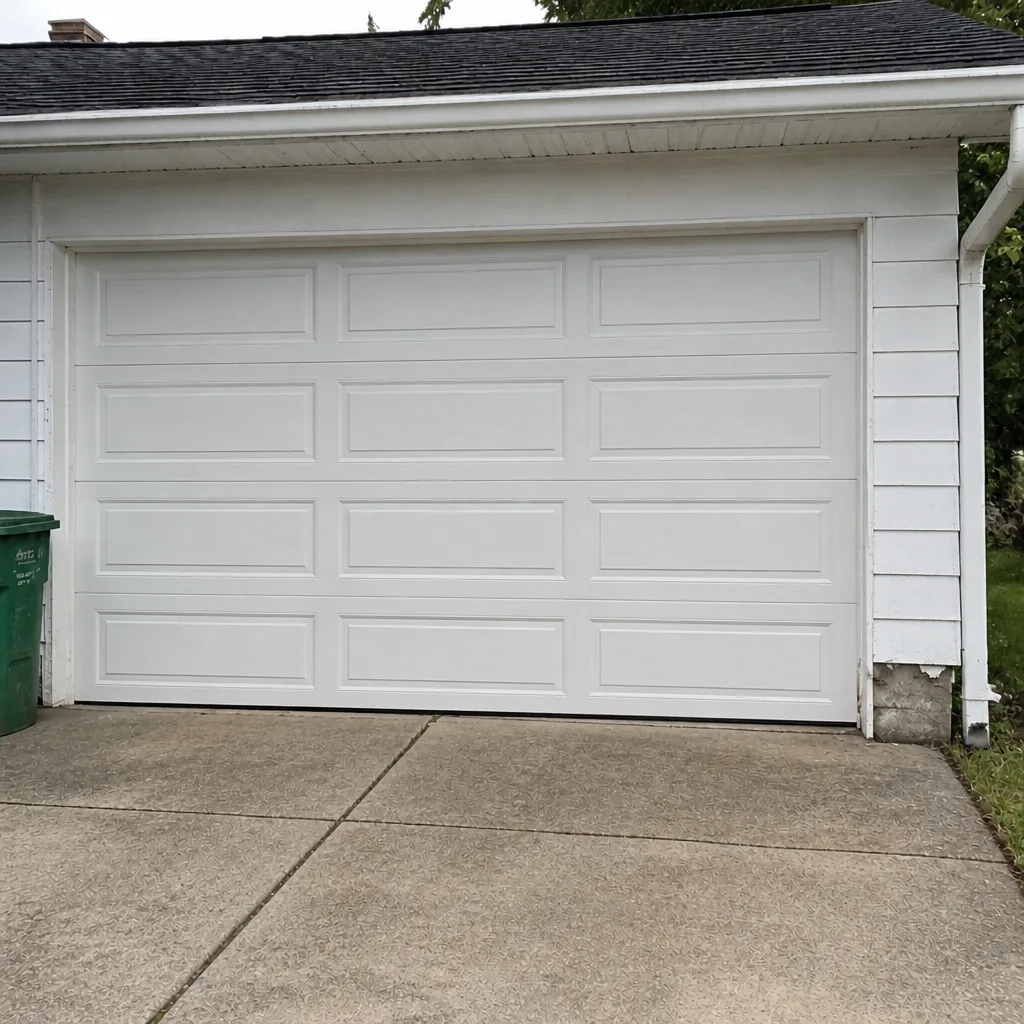 After
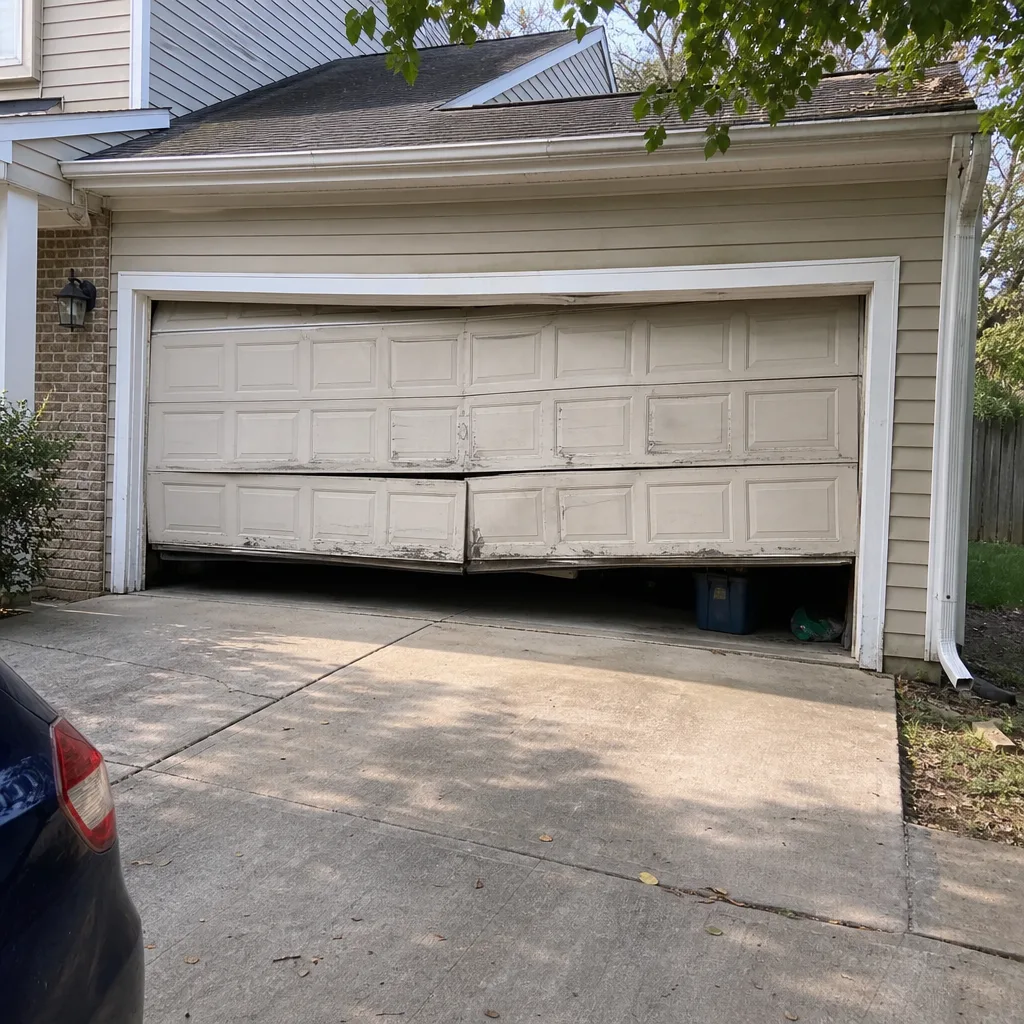 Before
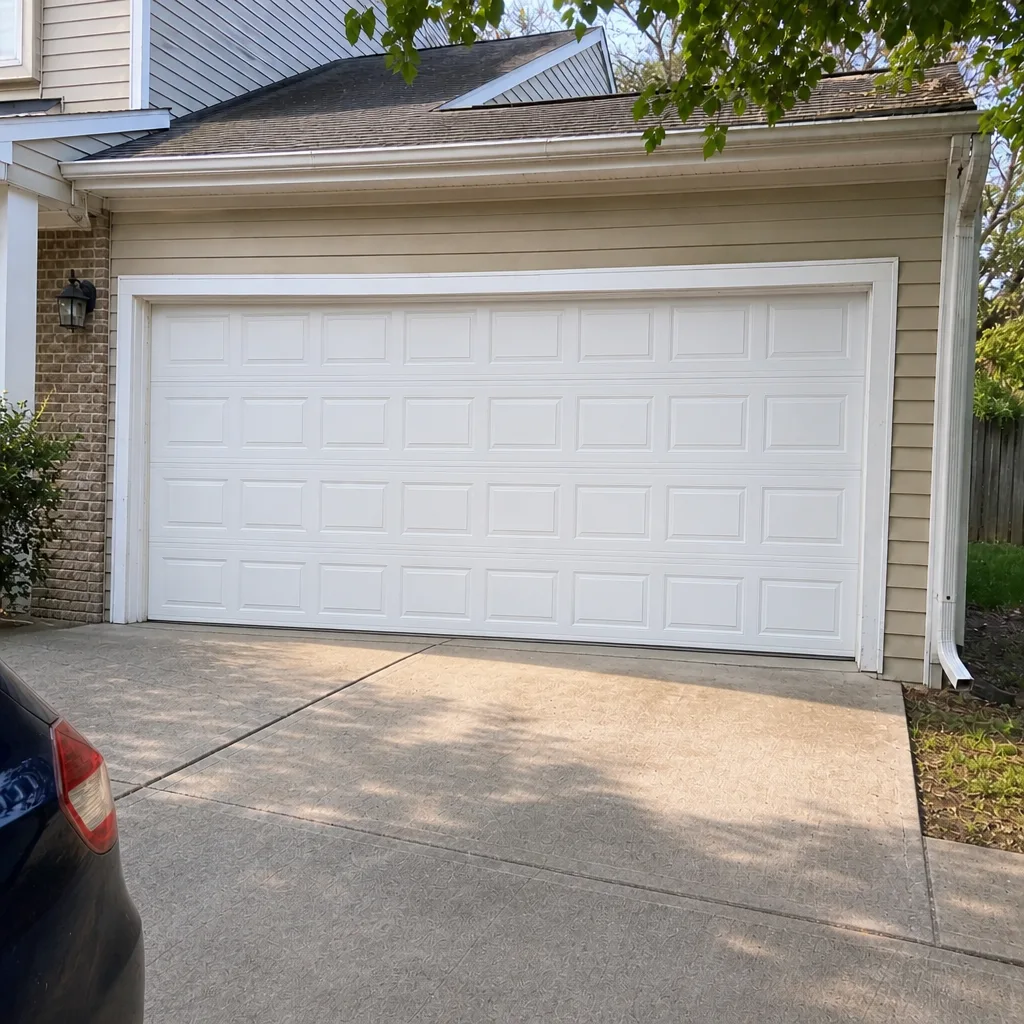 After
Common Mistakes to Avoid
- Choosing a brand by appearance alone. How a door looks from the curb tells you nothing about steel gauge, insulation, or how easy it is to service later. Look at the spec sheet and the hardware before deciding.
- Assuming the name on the front is the manufacturer. Columbia homes frequently carry doors with a builder name that’s actually a rebadged Clopay, Amarr, or Wayne Dalton. Check the inside label and hardware before ordering a replacement.
- Buying a premium door for a low-use bay. A high-end door in a garage that opens once a day is money you never recover. Match the door to how you actually use the space.
- Ignoring the opener’s role. Even the best door runs poorly on a mismatched opener. If your door is new but unreliable, the opener may be the real issue.
- Skipping the warranty document. A warranty you can’t file is worth nothing. Read the terms before you buy, particularly on who files and what voids coverage.
- Choosing a general handyman for installation. A garage door is a specialized mechanical system. An installation done by a trade specialist is more likely to end in a door that runs smoothly for years.
- Assuming every local company services your brand. Before you buy, ask which local companies work on that brand. A door whose brand isn’t serviced in your area turns every future repair into a logistics problem.
When to Call a Professional
Some garage door jobs are fine to handle yourself – cleaning a photo-eye, re-pairing a remote, checking the safety reverse. Others aren’t. Call a professional if any of these are true: the door is unbalanced or reverses on its own mid-travel; a torsion spring or cable is visibly broken, kinked, or under slack; the door feels heavier than it should to lift manually; the opener grinds or the motor runs but the door doesn’t move; there’s a visible gap at the bottom when the door is closed. Springs and cables are a genuine safety risk, and the fixes get more expensive the longer an unbalanced door runs. Meadow Garage Door Repair offers free estimates in Columbia – call (888) 721-9522. We work on the eight brands we cover, so a technician arrives already familiar with your hardware.
Frequently Asked Questions
There’s no single best brand. Clopay, Amarr, Wayne Dalton, and Raynor are all common in Columbia and all make doors that match up well against local service needs and climate. The right brand for your home depends on your use case and which local technicians can service it. Call (888) 721-9522 for a free estimate – we can walk through what fits your garage.
Often no. Builder-grade doors installed in Columbia homes are frequently rebadged panels from Clopay, Amarr, or Wayne Dalton. The hardware and panel construction are the same; the label is different. Checking the inside sticker or hardware profile usually reveals the actual manufacturer.
Installation quality matters more. A mid-tier door from a reliable brand, installed correctly with proper spring tension and alignment, will outlast a premium door installed poorly. Both matter, but if you have to choose where to spend, spend on a specialist installer. Call (888) 721-9522 for a free estimate.
Most Columbia-area specialists work on LiftMaster, Chamberlain, Genie, Clopay, Amarr, Wayne Dalton, Craftsman, and Raynor. If you’re weighing a specialty brand, ask which local companies service it before you buy. Every brand on that list has service coverage in the Columbia area.
A well-installed steel garage door from any of the major brands commonly lasts 15 to 30 years, with springs and openers requiring service on their own shorter timelines. Brand name is one factor; installation quality, insulation, and regular service are the others. Call (888) 721-9522 if you’re not sure how much life your current door has left.
We work on your existing brand, not just new installs. Repair, opener service, and installation all live under one roof, so a job that starts as a repair can expand to a replacement without calling a second company. Call (888) 721-9522 for a free estimate.
The Bottom Line
Pick your garage door brand on the criteria that actually affect long-term ownership: parts availability, local service coverage, warranty claim process, and installation quality. Clopay, Amarr, Wayne Dalton, and Raynor all make doors that work well in Columbia homes – the differences come down to how you use your garage and who installs it. Insulation and steel gauge matter more than the marketing name, and rebadged builder-grade doors are often the same hardware under a different label. If your door is failing, repair first – a professional can confirm whether it’s a fix or a replacement. Meadow Garage Door Repair covers repair, opener repair, and installation across eight major brands, and our technicians have up to experience. For a step up in service depth without a brand pitch, Meadow Garage Door Repair is the team to call.
Contact us for a free estimate: call (888) 721-9522. We answer 24/7. Fast dispatch from 7am to 7pm, Sunday through Friday. Estimates are free, and the written estimate sets the price – we quote and agree before any work starts.
Written by the team at Meadow Garage Door Repair.