
Last updated November 16, 2026
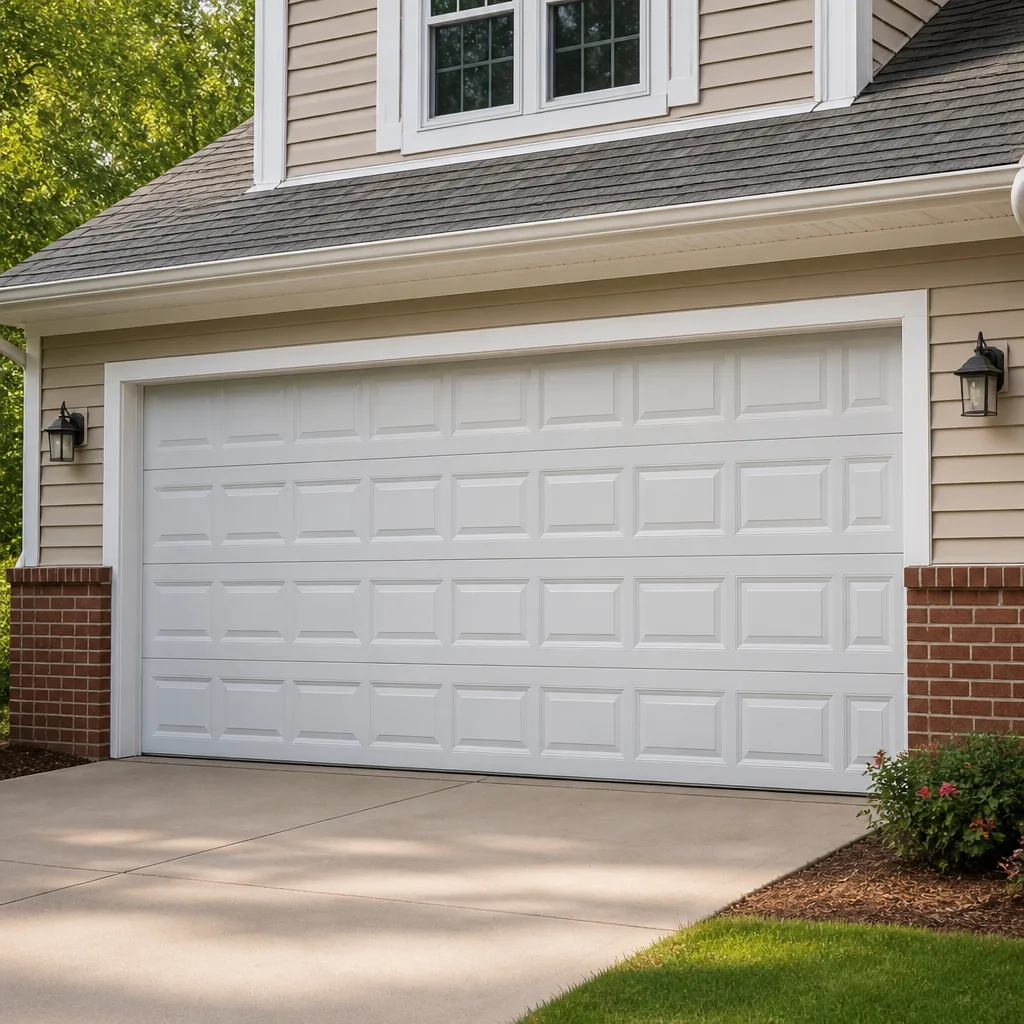 Raised-panel steel
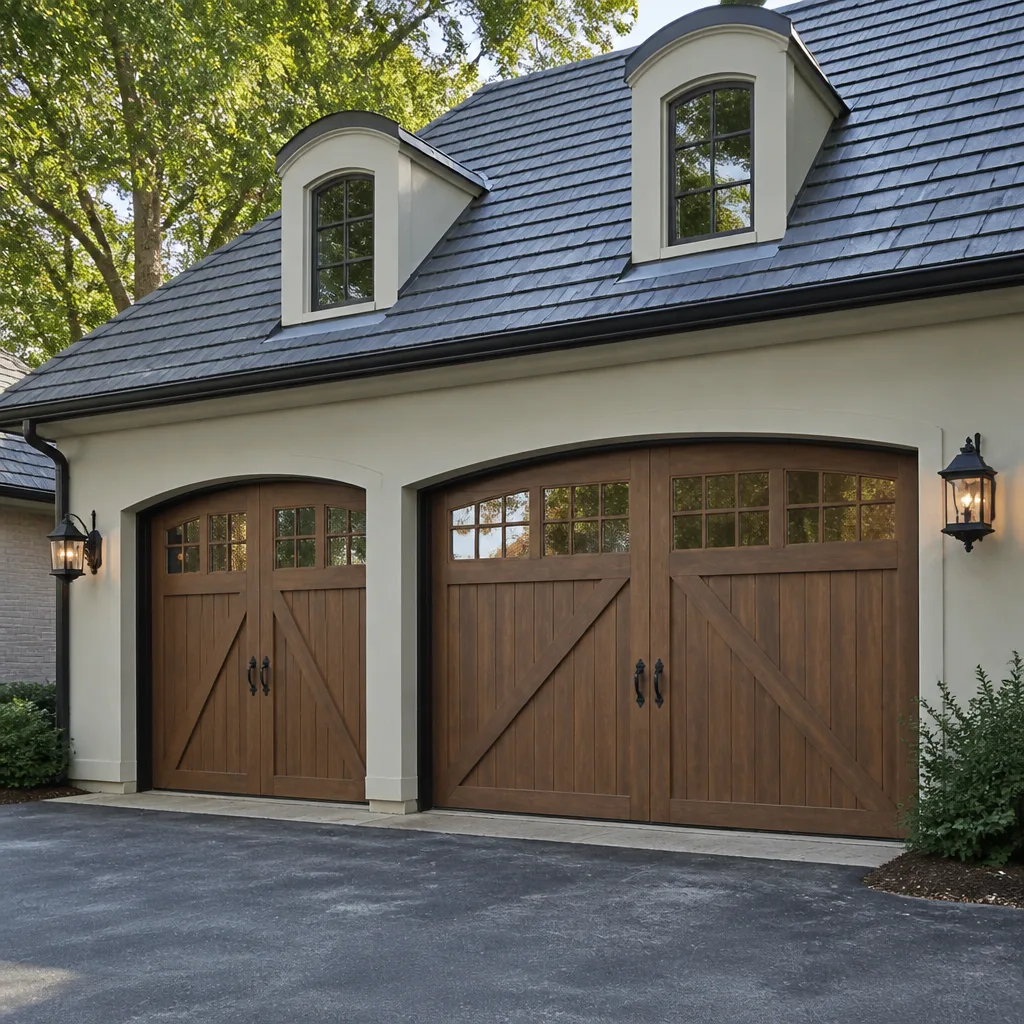 Carriage house
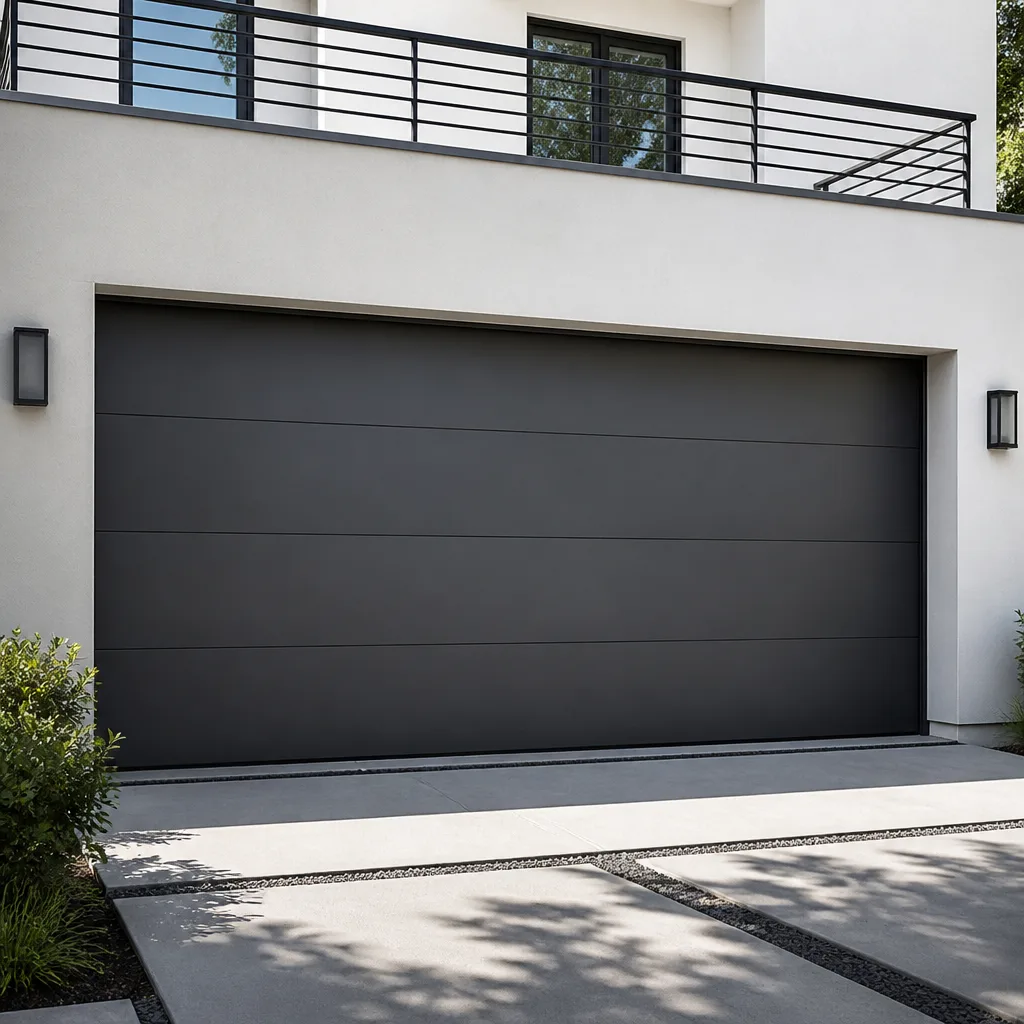 Modern flush
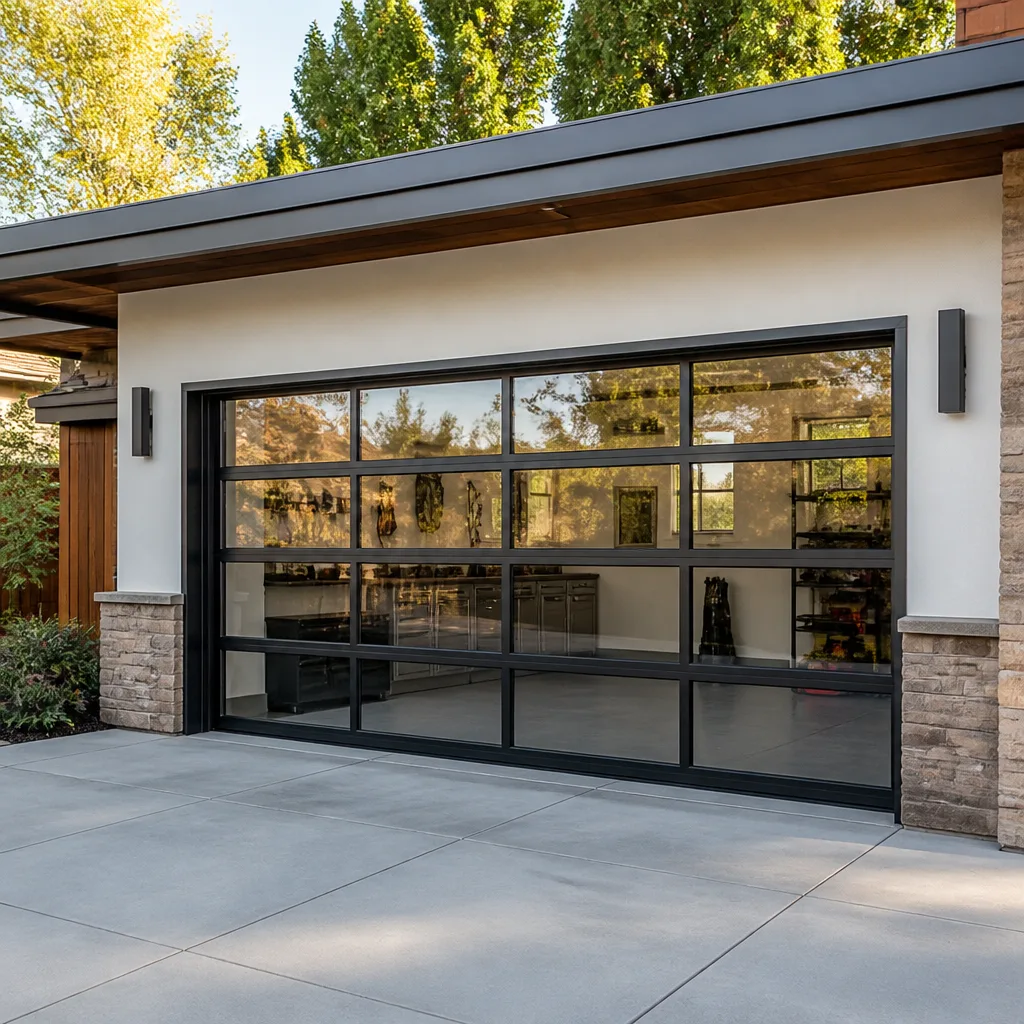 Full-view glass
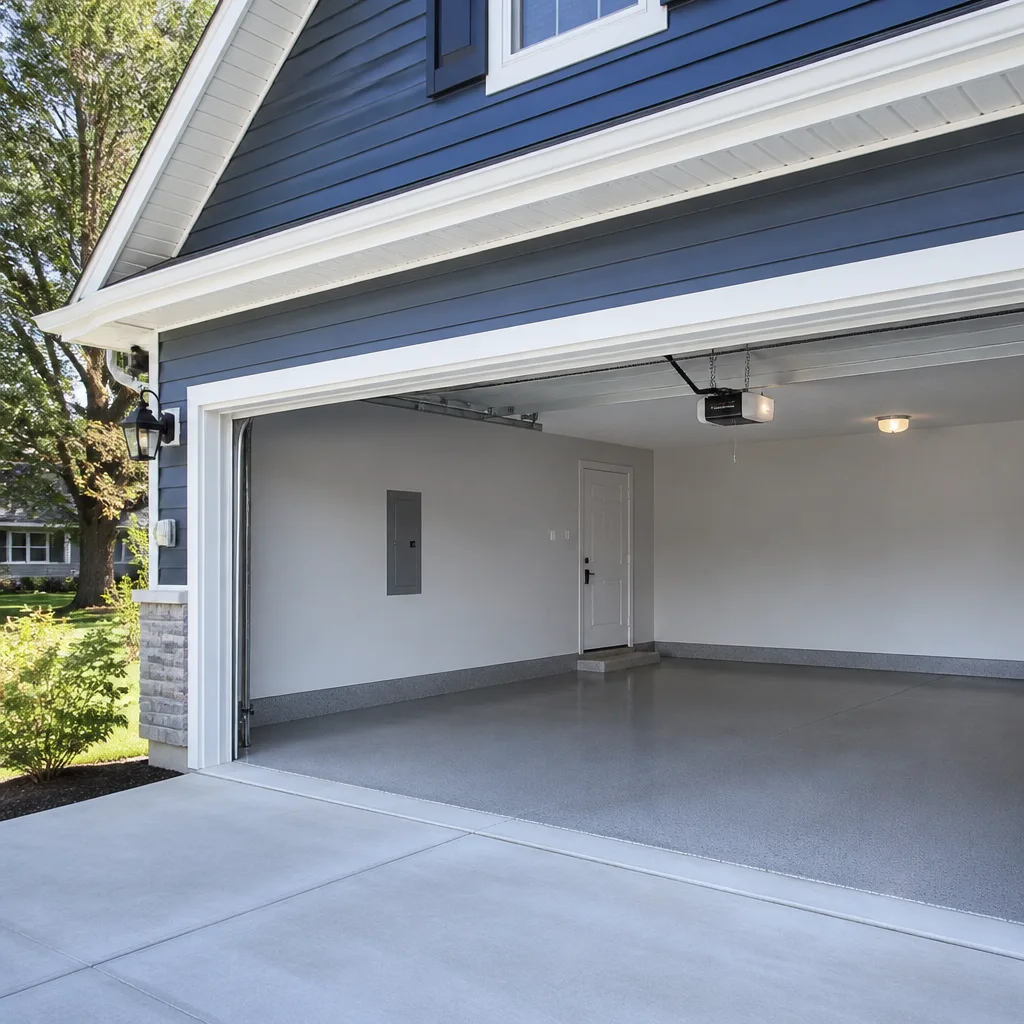 LiftMaster openers
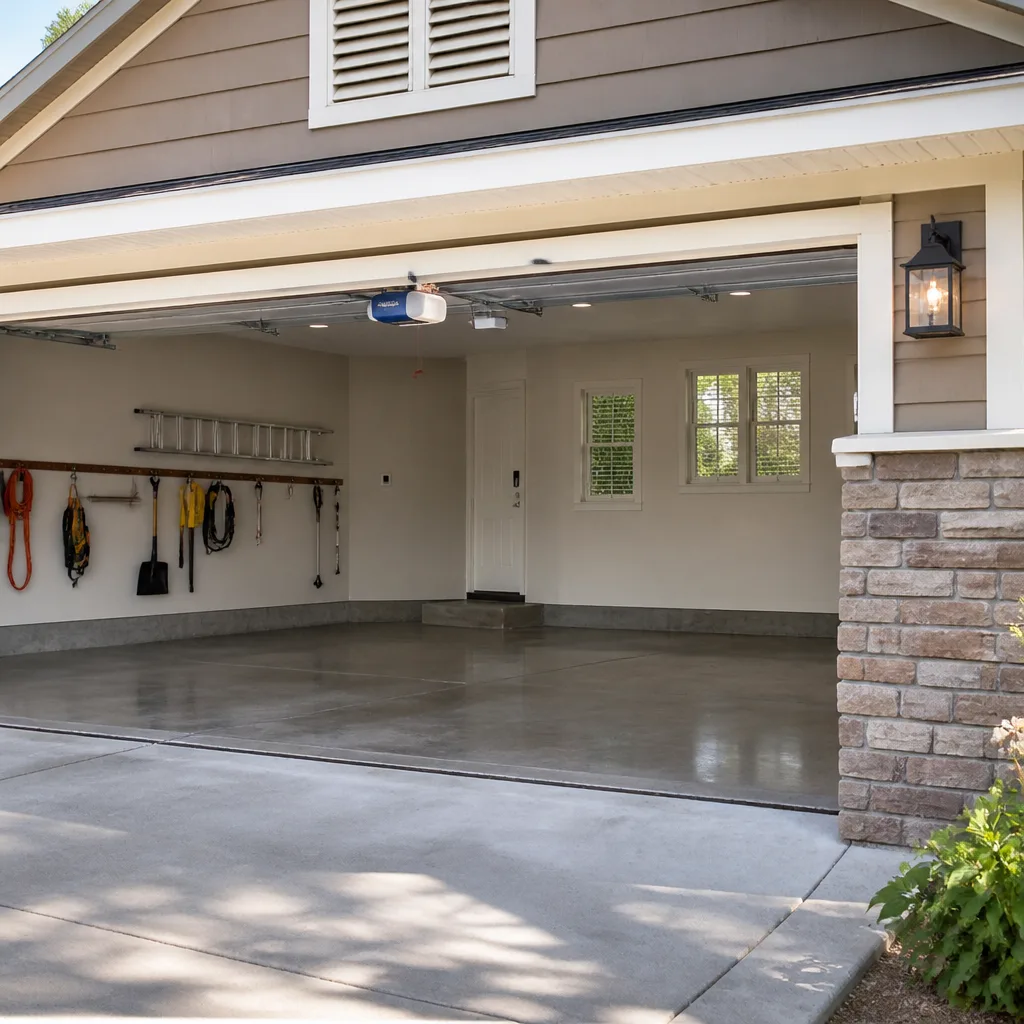 Chamberlain openers
Full 25-point door and opener safety check with every visit - springs, cables, rollers, tracks, and your LiftMaster or Chamberlain opener included
You get a price before we start. It does not change when the pro arrives.
Get your free estimateHow to Hire a Garage Door Contractor in Columbia: A Step-by-Step Guide
There is no Maryland state license specifically for garage door contractors. That single fact should change how you vet every company you call. The barrier to entry in this trade is low: anyone with a truck, a ladder, and a few tools can print a business card and start taking calls. So the hiring process here isn’t about comparing three polished quotes and picking a favorite. It’s about filtering out the operators who shouldn’t be touching a torsion spring in the first place. This guide walks you through what Maryland actually requires, the five questions that separate real repair specialists from sales-first install crews, how to read a quote line by line, and the red flags that show up in the Columbia market. By the end you’ll know exactly how to hire a garage door contractor in Columbia without guesswork.
Quick Answer
To hire a garage door contractor in Columbia, verify that the company is insured and can name the brands it services, ask whether they repair existing doors or only install new ones, and insist on a written quote with itemized parts and labor before any work begins. Because Maryland does not license garage door contractors at the state level, your due diligence has to replace the license check. Ask for proof of insurance, confirm the technician’s experience on your specific hardware, and treat any push toward full replacement before a diagnosis as a warning sign.
Styles & brands we work with
- Raised-panel steel
- Carriage house
- Modern flush
- Full-view glass
- LiftMaster openers
- Chamberlain openers
Table of Contents
- What Maryland Actually Requires for Garage Door Work
- The Five Questions That Expose a Sales-First Crew
- How to Read a Garage Door Quote Line by Line
- Why Brand-Authorized Isn’t Always Better
- Red Flags Specific to the Columbia Market
- A Step-by-Step Hiring Checklist
- How Columbia’s Climate and Housing Shape the Work
- Repair vs. Replace: Getting an Honest Recommendation
What Maryland Actually Requires for Garage Door Work
Maryland does not issue a garage door contractor license. That’s the plain truth, and it’s the most important thing to understand before you call anyone in Columbia. What the state does require is that contractors working in your home carry general liability insurance and, if they have employees, workers’ compensation coverage. A company doing this work legally should be able to produce a certificate of insurance on request without hesitation.
Some garage door work also involves permits, and this is where homeowners get tripped up. Adding or altering electrical circuits for a new opener, or making structural changes to the framing around a door opening, may require a permit through the jurisdiction that governs your property. Columbia’s unincorporated areas fall under Howard County’s permitting authority, while some neighborhoods have their own additional requirements. We always tell homeowners the same thing: before any work touches framing or wiring, ask the city or county building department what applies at your specific address. A contractor who shrugs off that question is telling you something.
Here’s what to expect from a legitimate operator:
- They can show a certificate of insurance when asked, without excuses.
- They’ll tell you plainly when a permit is likely needed rather than promising to “handle it.”
- They’re willing to explain what they’re doing and why before they start.
- They have a written estimate process, not a verbal ballpark.
The absence of a state license doesn’t mean the trade is unregulated from the consumer’s side. It means the vetting is on you, and the tools to vet are simple: insurance, references, brand knowledge, and a willingness to put a price in writing. In our experience working the Columbia market, those four signals filter out almost everything that goes wrong.
The Five Questions That Expose a Sales-First Crew
The difference between a repair specialist and a sales-first install crew shows up in the first phone call, if you ask the right questions. We’ve watched this play out enough times to know which questions cut through the sales pitch. Ask them in this order.
- “Do you repair existing doors and openers, or is your main business installation?” A repair specialist will talk about diagnosing the problem. A sales-first operation will steer toward a new door quote before they’ve seen anything.
- “Which brands do your technicians work on regularly?” A real repair company can name the manufacturers it knows. A crew that only installs one line will struggle with someone else’s hardware. We handle Raynor and LiftMaster systems alongside several others, so we can work on what’s already on your door.
- “What does a typical diagnostic look like?” The answer should describe checking springs, cables, rollers, tracks, and opener logic. If the answer is a pitch for a new door, you’ve learned enough.
- “Will you give me a written quote before any work starts?” The answer should be an immediate yes. A company that dodges this one is planning to bill you after the fact.
- “Do you handle opener repair, or just door panels?” Openers are electronics and motors, a separate skill set. A company that can do both is one call instead of two, and a company that can’t will send you shopping mid-job.
You’re not looking for perfect answers. You’re looking for a technician who talks about your equipment like someone who has taken it apart before. In Columbia, where tree-lined streets mean a lot of older openers still in service, opener familiarity matters as much as door mechanics.
How to Read a Garage Door Quote Line by Line
A padded estimate and a transparent one look almost identical at the bottom line. The difference is in the line items. If you’re comparing three quotes and one seems suspiciously low, read the parts lines before you get excited. Cheap almost always means a smaller component, a thinner gauge, or a recycled opener dropped in without the door’s weight being considered.
Here’s how the two patterns usually break down:
Signs of a Transparent Quote
- Parts are named: which spring, which opener model, which rollers.
- Labor is listed separately from parts.
- A safety inspection of cables, tracks, and hinges is included.
- The quote states the final price is set by the written estimate, not by verbal agreement.
Signs of a Padded or Vague Estimate
- One lump-sum number with no parts breakdown.
- Language like “starting at” or “depending on what we find.”
- Bundled extras you didn’t ask for, like a new keypad when you called about a spring.
- A pressure to sign today to “lock in” the price.
For context on what parts typically cost, our garage door repair page breaks down standard repair ranges in Columbia. Use those as a sanity check against any quote you receive. The written estimate is the price that governs the job, and a good contractor will put it in your hands before touching the door.
Why Brand-Authorized Isn’t Always Better
“Brand-authorized dealer” sounds like a trust signal. Sometimes it is. Other times it just means the company has committed to selling one manufacturer’s products, and their recommendation will bend toward that brand whether or not it fits your door. The label tells you about their sales relationship, not their diagnostic skill.
When brand authorization actually matters:
- You’re buying a brand-new door and want the manufacturer’s installation warranty.
- You’re installing a smart opener and want confirmed compatibility with the model you’ve chosen.
- A warranty claim depends on an authorized installer having done the work.
When it doesn’t matter much:
- You have an existing door that needs a spring, cable, or roller replacement.
- Your opener is behaving unreliably and needs diagnosis rather than replacement.
- The door is already installed and you just want it back in working order.
We work on whatever’s on your door. That’s not a marketing line; it’s a practical stance. A brand-neutral technician diagnoses what’s actually broken before recommending anything, which protects you from being sold an upgrade because it’s what the company has in stock. If you have a Chamberlain opener and a Clopay door, a specialist who speaks both languages is worth more than an authorized dealer for one of them. For the electronics side specifically, garage door opener repair is the page that goes deeper on how motor, remote, and smart-home issues get sorted out.
Red Flags Specific to the Columbia Market
Columbia has a particular problem worth knowing about: companies that advertise in local search results but aren’t actually local. They run ads targeted to Columbia-area search traffic, and when you call, the address on the paperwork is somewhere else entirely. That matters less than you’d think for the actual repair, and more than you’d think for accountability, permits, and knowing that the company has worked on doors like the ones in your neighborhood.
What to watch for:
- No physical address or a P.O. box only. You should be able to confirm where the company operates.
- Unfamiliarity with Columbia’s housing stock. A company that has never worked in Wilde Lake or Oakland Mills may not know that doors in split-level plans often need different hardware considerations than a newer townhome.
- No knowledge of local permitting. A technician who doesn’t know about Howard County permitting shouldn’t be making structural suggestions.
- Prices that are wildly out of step with the market, in either direction. If a quote is half what others are, ask which parts they’re using and why.
- No written estimate, no proof of insurance, and pressure to decide immediately. Any one of these is enough to walk away.
The genuine local contractor will know the neighborhoods, respect the permitting process, and put the price in writing before the technician pulls up. That’s the standard worth holding every Columbia company to.
A Step-by-Step Hiring Checklist
Here’s the sequence that works. Run it in order.
- Describe the symptom clearly. A door that jerks on the way up, a remote that works intermittently, a grinding noise from the opener: each points to a different root cause. Knowing the symptom helps you evaluate whether a company’s explanation holds together.
- Ask about insurance before anything else. General liability and workers’ comp should be available on request. A hesitation here is a stop sign.
- Ask the five questions above. Repair vs. install, brand familiarity, diagnostic process, written quote, and opener capability.
- Request the estimate in writing. A quote by phone or text is not an estimate. Ask for it in paper or email form with parts and labor itemized.
- Compare scope, not price alone. A lower quote that omits a safety inspection or uses substandard parts isn’t cheaper. It’s incomplete.
- Confirm the schedule. We’re open Sunday through Friday, 7am to 7pm, and closed Saturday. If your door fails on a Saturday, you can call and we’ll book you into Sunday.
- Get the diagnosis in plain language before the work starts. A good technician will tell you what’s broken, what the fix involves, and what the final bill will be. If that explanation doesn’t come, ask for it.
That sequence is not complex, but it filters out the operators who are hoping you won’t ask. If you want a referral today, our Meadow Garage Door Repair team is available for a free estimate. Call (888) 721-9522, and we’ll walk you through the whole thing.
How Columbia’s Climate and Housing Shape the Work
Columbia’s weather pattern does particular things to garage door hardware. The seasonal swing from humid summers to cold winters puts expansion and contraction on door panels, tracks, and hinges repeatedly through the year. That cycle tends to loosen bolts, shift track alignment, and stress the springs. A technician who’s worked in this region will recognize these patterns and know what to check before assuming replacement.
Housing stock matters too. The original Columbia villages from the late 1960s and 1970s carry doors that may be two decades or more old, with openers that were built before smart-home features were a thought. Repairing those openers rather than defaulting to replacement is often the smarter call. It preserves the door’s balance point, which was set when the door was installed, and it avoids the cost and disruption of a full replacement when only a motor or logic board has failed.
In our experience, the most common issues we field in Columbia are:
- Springs that have aged out of their cycle life and need a matched pair replacement.
- Opener motor or logic board failures on openers installed a decade or more ago.
- Track misalignment from shifts in the concrete footing or the framing around the opening.
- Remote and wall-panel signal issues, some of which come down to battery or programming and some of which are board-level failures.
What does that mean for you as a homeowner? It means a good technician arriving at your Columbia door should spend a few minutes observing and questioning before recommending anything. The condition of the hardware matters as much as the complaint you called in with. A door that looks fine but has run past its spring life needs a different conversation than a door that won’t close at all.
Repair vs. Replace: Getting an Honest Recommendation
The honest answer to “should I repair or replace?” is: usually repair, unless there’s a specific reason not to. That answer protects you, and it’s the one a brand-neutral specialist will give. A sales-first crew might say something different because replacement is where their margin lives.
When repair is the right call:
- The door panel is intact and the problem is a mechanical component: spring, cable, hinge, roller, or track.
- The opener motor has failed but the door itself is in good condition.
- The door is balanced and operates smoothly once the failed component is replaced.
- The hardware failure is isolated and the rest of the system has plenty of service life left.
When replacement may genuinely be the better move:
- The door panel itself is compromised by rot, impact damage, or persistent warping.
- The opener is so old that replacement parts are no longer manufactured.
- You’re dealing with recurring safety issues that aren’t resolved by component swaps.
- The system as a whole is beyond economical repair, which is not the same as “it’s old.”
One more safety note before you consider doing anything yourself. Torsion springs are under high tension, and the cables attached to them can cause serious injury if released incorrectly. We don’t recommend DIY work on springs or cables. That’s the one part of garage door work where a trained technician is genuinely the only safe option. For Columbia homes, the question isn’t whether a technician is cheaper than a DIY attempt; it’s whether the risk is worth taking. It usually isn’t.
Common Mistakes to Avoid
- Assuming a state license exists. It doesn’t for garage door work in Maryland. That means you need to verify insurance directly and ask about experience, because the license protects no one in this case.
- Accepting a verbal quote. Get it in writing with parts and labor itemized. A verbal price is an opening bid, not a commitment. The written estimate is what governs the job.
- Letting a company talk you into a new door before a diagnosis. A spring, cable, or opener failure can almost always be repaired without replacing the door. Push back if the first recommendation is replacement.
- Choosing on price alone. A lower quote that skips the safety inspection, uses substandard springs, or omits a check of the door’s balance isn’t a better deal. It’s an incomplete job that may cost you again in a year.
- Hiring an ad-driven out-of-area company. Columbia’s market is full of companies that advertise locally but aren’t accountable locally. Ask where the company operates, and ask about their familiarity with Howard County permitting.
- Handling torsion springs or cables yourself. These components hold thousands of pounds of tension. A released spring can cause serious injury. That’s a job for a trained technician, full stop.
- Skipping the opener question. If the company repairing your door doesn’t also repair the opener, you’re likely to be making two calls. Ask upfront so you’re not stuck mid-job.
See the difference
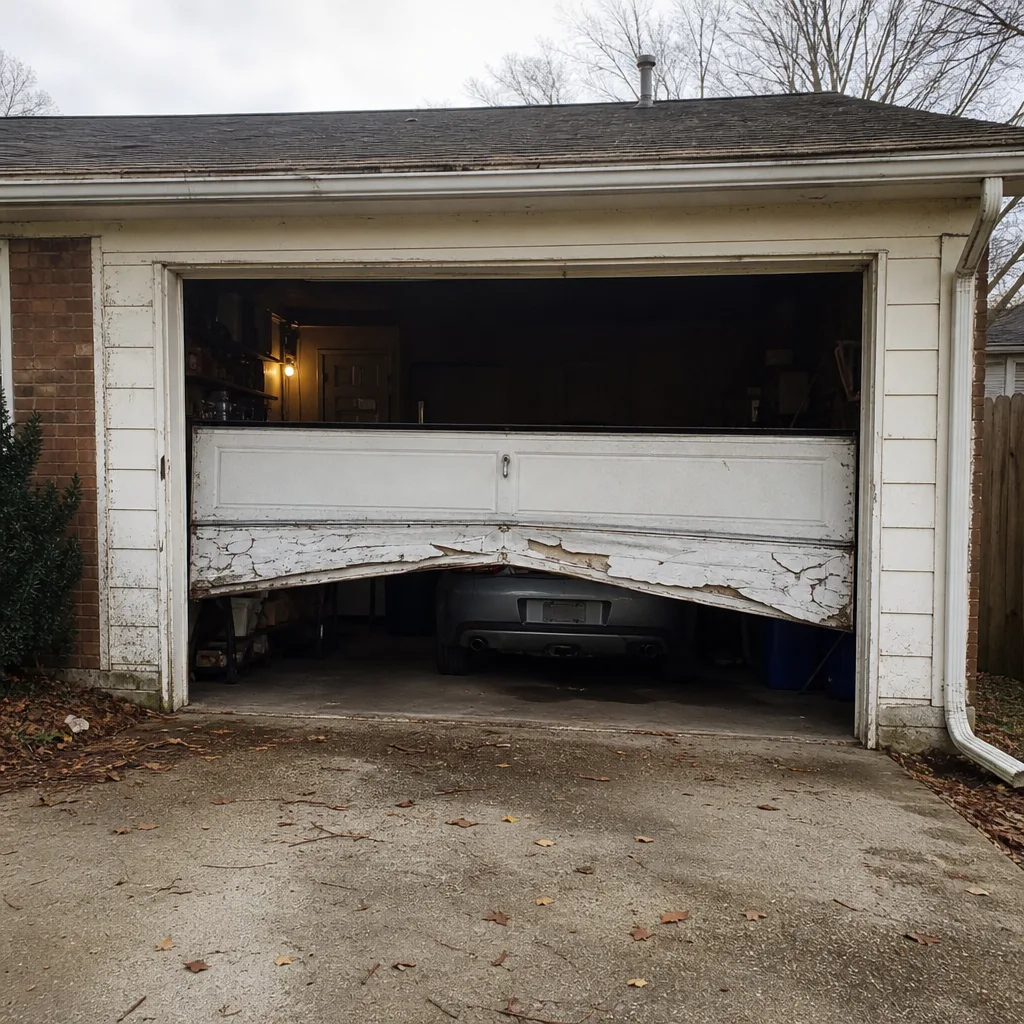 Before
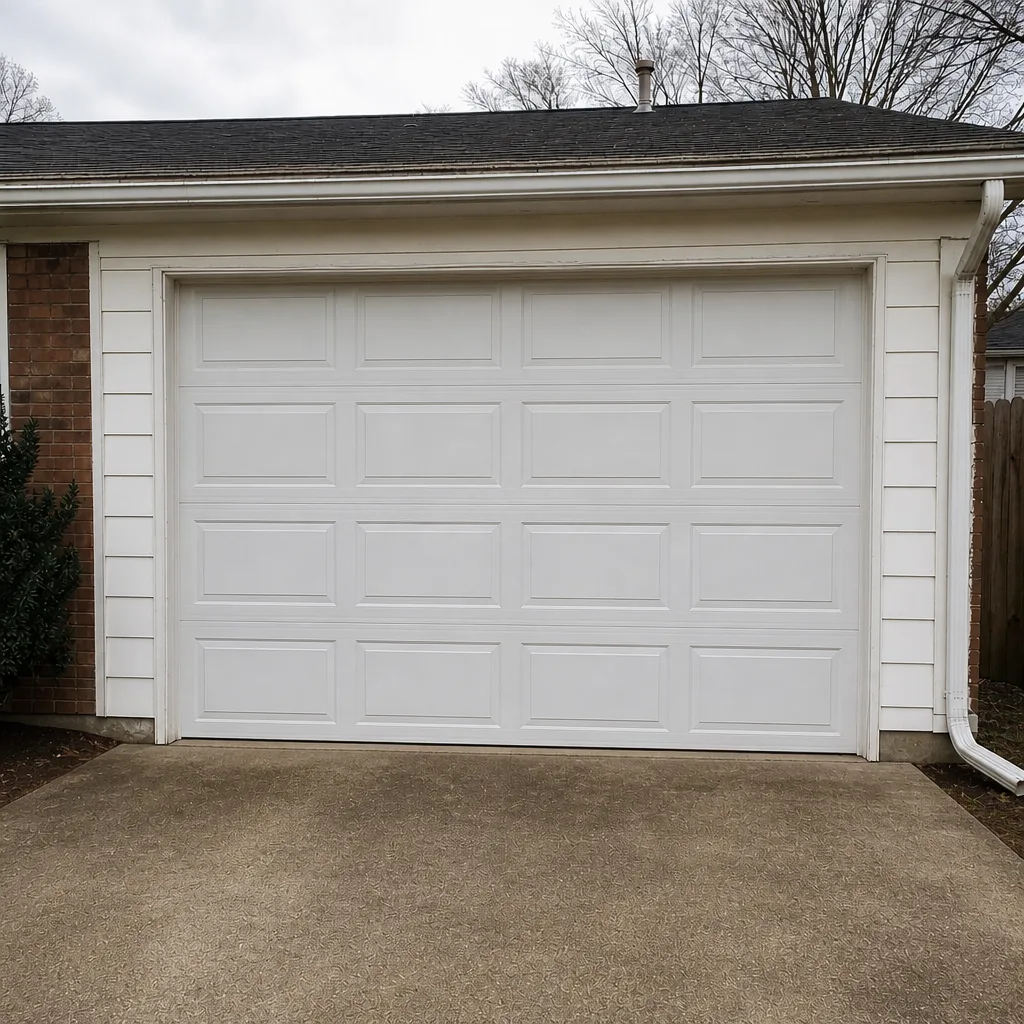 After
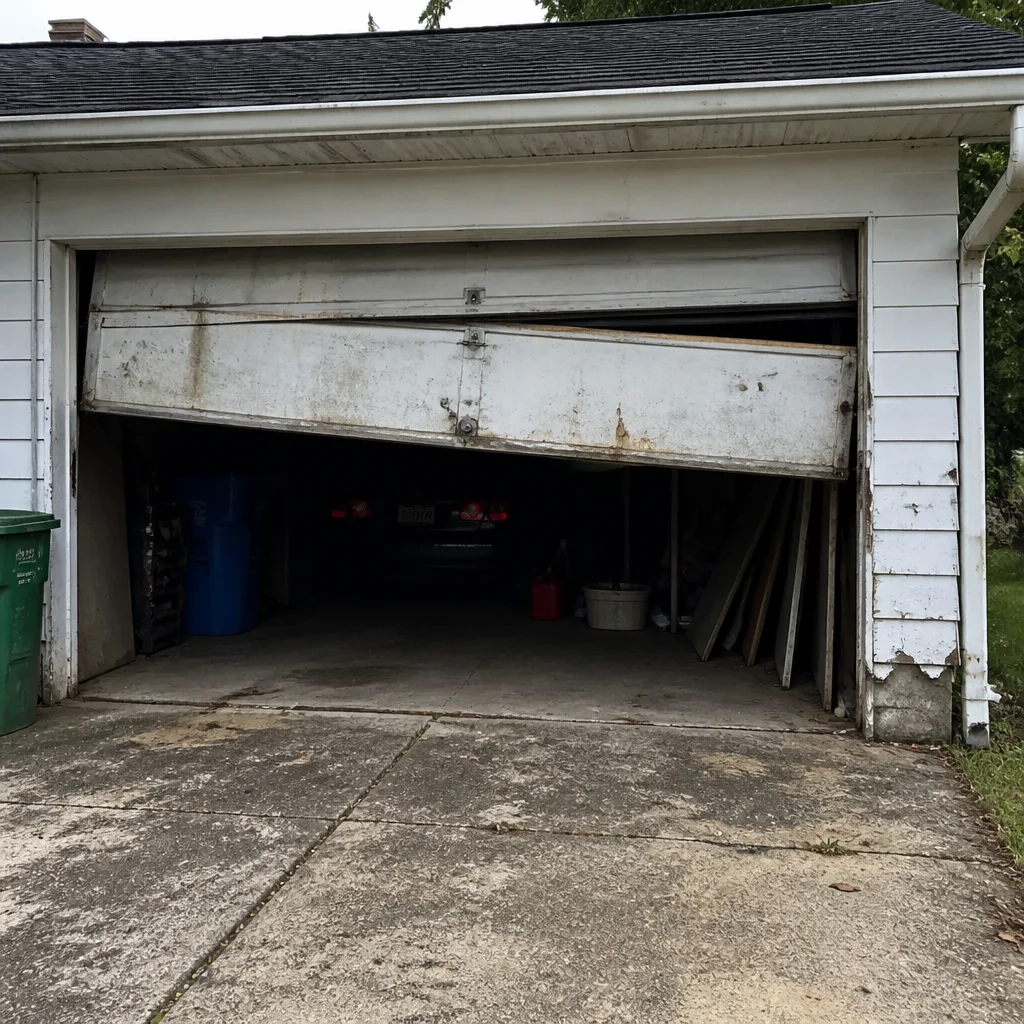 Before
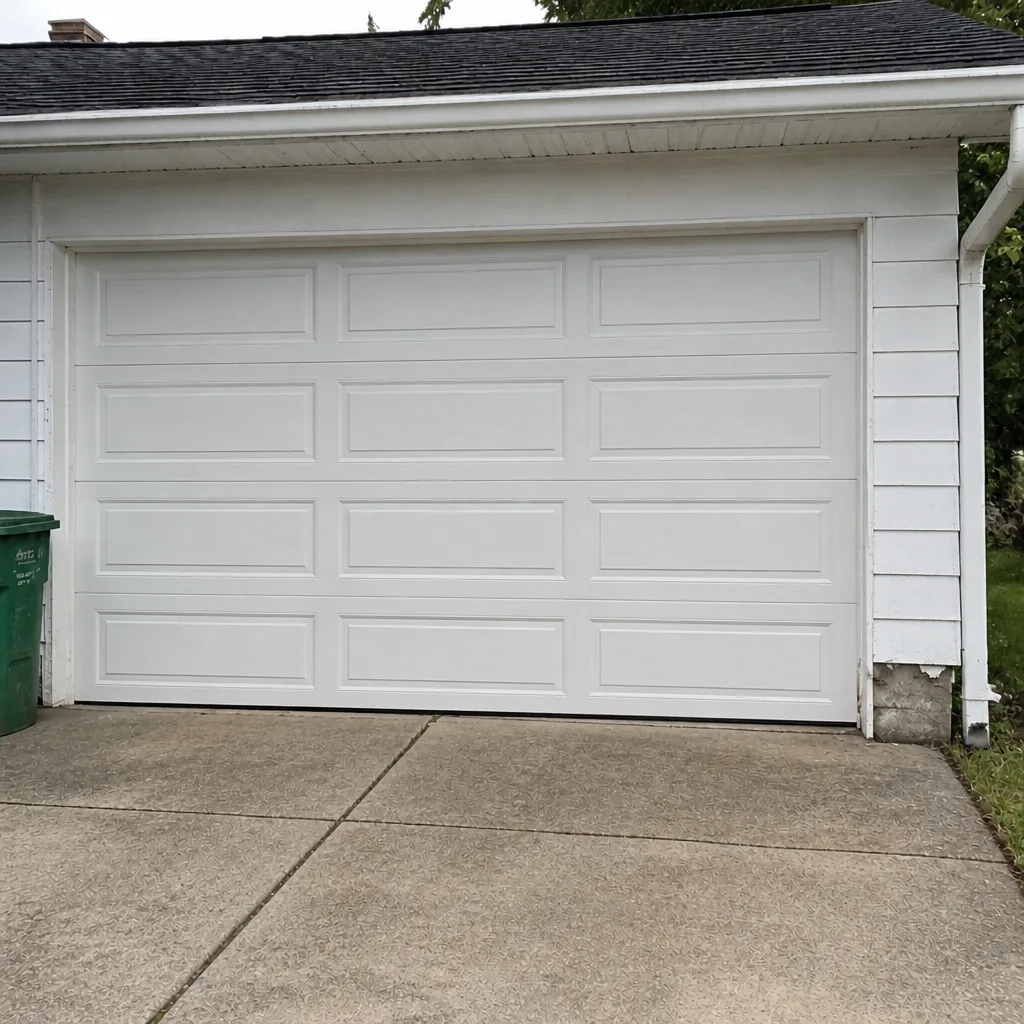 After
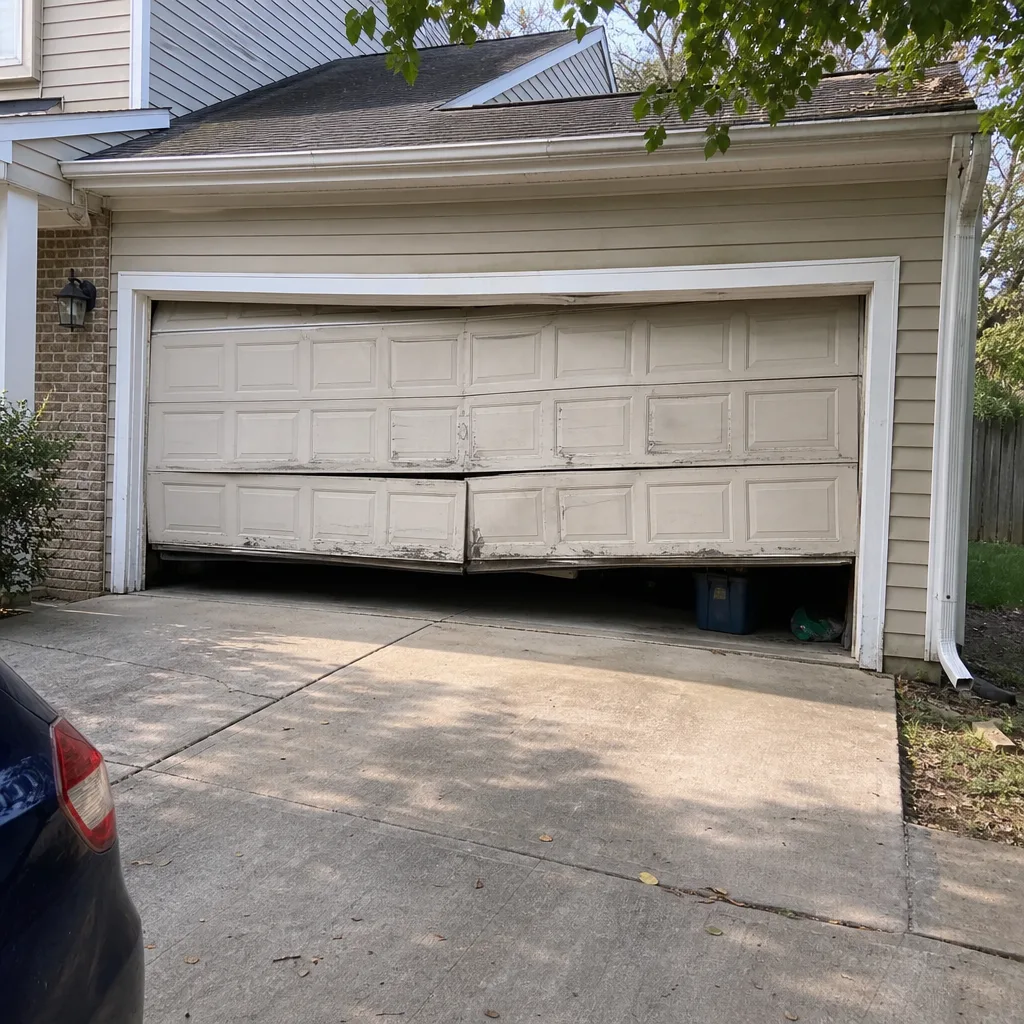 Before
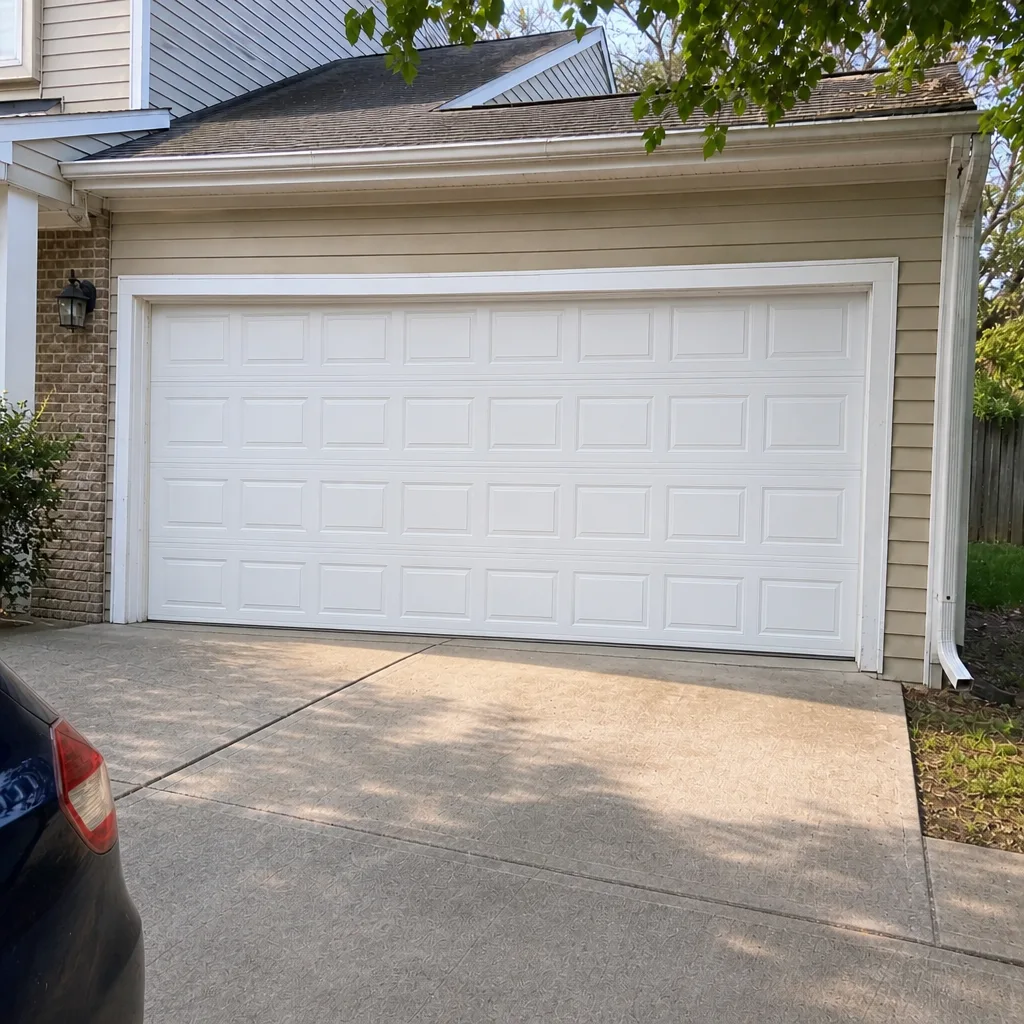 After
When to Call a Professional
Some problems can wait; others shouldn’t. Call a professional if your door won’t open or close at all, if you hear a loud snap or bang from the spring assembly, or if the door suddenly feels significantly heavier to lift. A door that is visibly off its track, hanging unevenly, or failing to reverse when it hits an obstacle should be inspected before use. An opener that runs but doesn’t move the door, or moves it jerkily, likely has a motor or logic-board issue that needs proper diagnosis. And any work involving the torsion springs or cables should be handed to a trained technician without exception: these parts hold serious energy, and a mistake can cause injury.
Meadow Garage Door Repair offers free estimates in Columbia. Our technicians have up to experience, and we’re open Sunday through Friday, 7am to 7pm, closed Saturday. Call (888) 721-9522. We answer 24/7. Fast dispatch from 7am to 7pm, Sunday through Friday.
Frequently Asked Questions
No, Maryland does not issue a state license specifically for garage door contractors, so you can’t verify a license number the way you would for an electrician or plumber. Your protection instead comes from asking for proof of insurance (general liability and workers’ comp), getting a written itemized estimate, and asking the company how long their technicians have worked on the specific brands you own. Ask before work starts, not after. Call (888) 721-9522 for a free estimate if you’d like to compare.
Repair costs in Columbia vary by the component involved. Spring replacements, opener service, and track or cable repairs all fall in different ranges. The best approach is to ask for a written estimate before you commit, with parts and labor listed separately. Our Columbia service page has more detail on what to expect. Call (888) 721-9522 for an exact quote; estimates are free.
We’re open Sunday through Friday, 7am to 7pm, and closed Saturday. If your door fails on a Saturday, call and we’ll book you into the next available slot on Sunday. We answer 24/7, so a Saturday call still gets answered and scheduled. Fast dispatch from 7am to 7pm, Sunday through Friday. Call (888) 721-9522.
The written estimate sets the final price. We provide the estimate before work starts, and the bill you pay is the price you agreed to. If the technician finds something unexpected once the door is opened up, they’ll explain it and get your approval before proceeding. Call (888) 721-9522 for a free estimate.
Maryland doesn’t license garage door contractors at the state level, but our technicians are experienced and carry the insurance required for residential work. Our technicians have up to experience, and we work on LiftMaster, Chamberlain, Genie, Raynor, Clopay, Amarr, Wayne Dalton, and Craftsman hardware. Call (888) 721-9522 for details or a free estimate.
We repair both. Opener repair is its own specialty, covering motors, remotes, logic boards, and smart-home integration, and it’s one of our three core services alongside door repair and installation. You don’t need a second company if the job scope shifts from a spring to a recalcitrant Genie opener mid-project. Call (888) 721-9522 to describe the symptom.
Yes. We handle full installation for homeowners planning a new door, including measuring the opening, advising on the right spring and opener match for the door’s weight, and confirming what permits apply at your address. Installation is scheduled work with a free measure and a written price, not a same-day call. Call (888) 721-9522 to start the process.
The Bottom Line
Hiring a garage door contractor in Columbia means accepting that the license safety net doesn’t exist and doing the vetting yourself. The tools you need are simple: proof of insurance, a diagnostic conversation before any recommendation, brand familiarity across what’s already on your door, and a written estimate that lists parts and labor separately. Repair-first companies will pass those tests; sales-first operations won’t. The right hire is the one who fixes what’s broken and puts the price in writing before the work starts. That standard protects your wallet and your door equally.
Written by the team at Meadow Garage Door Repair.