
Last updated November 16, 2026
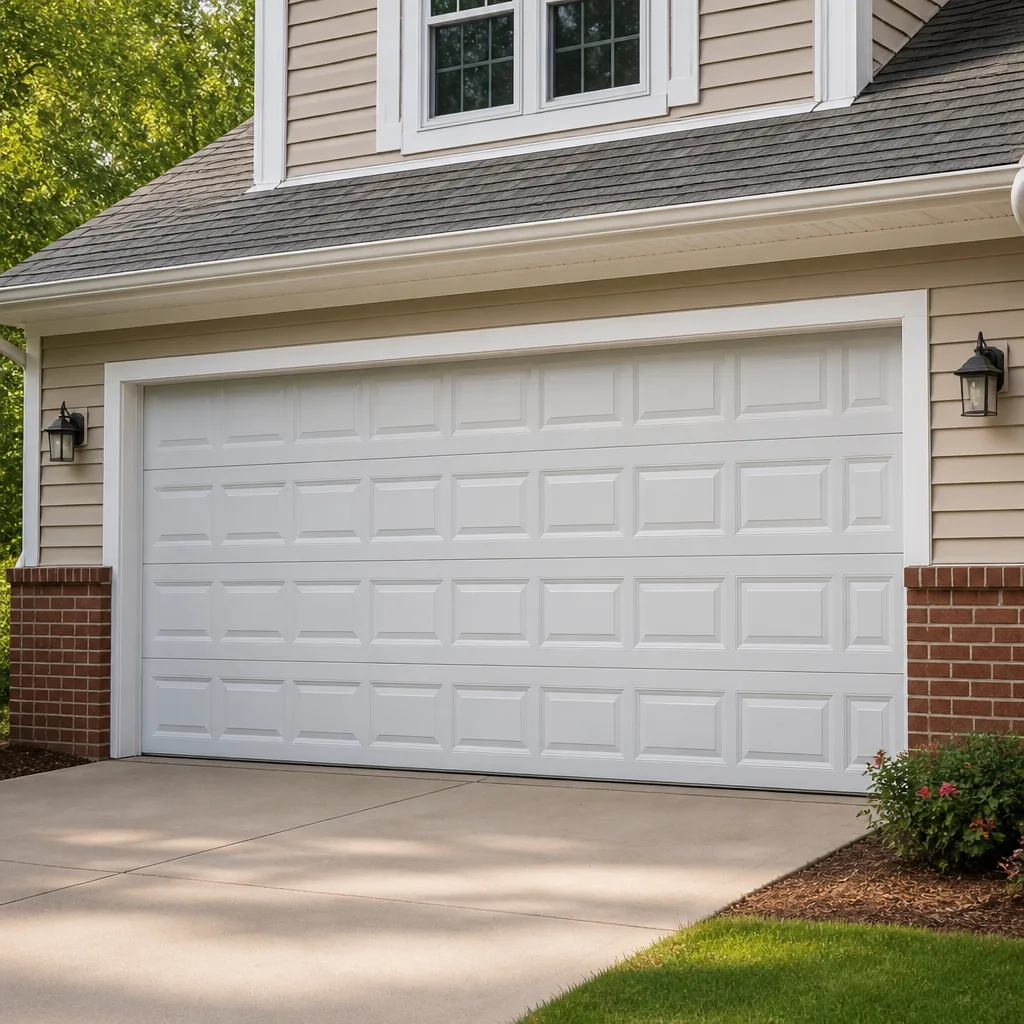 Raised-panel steel
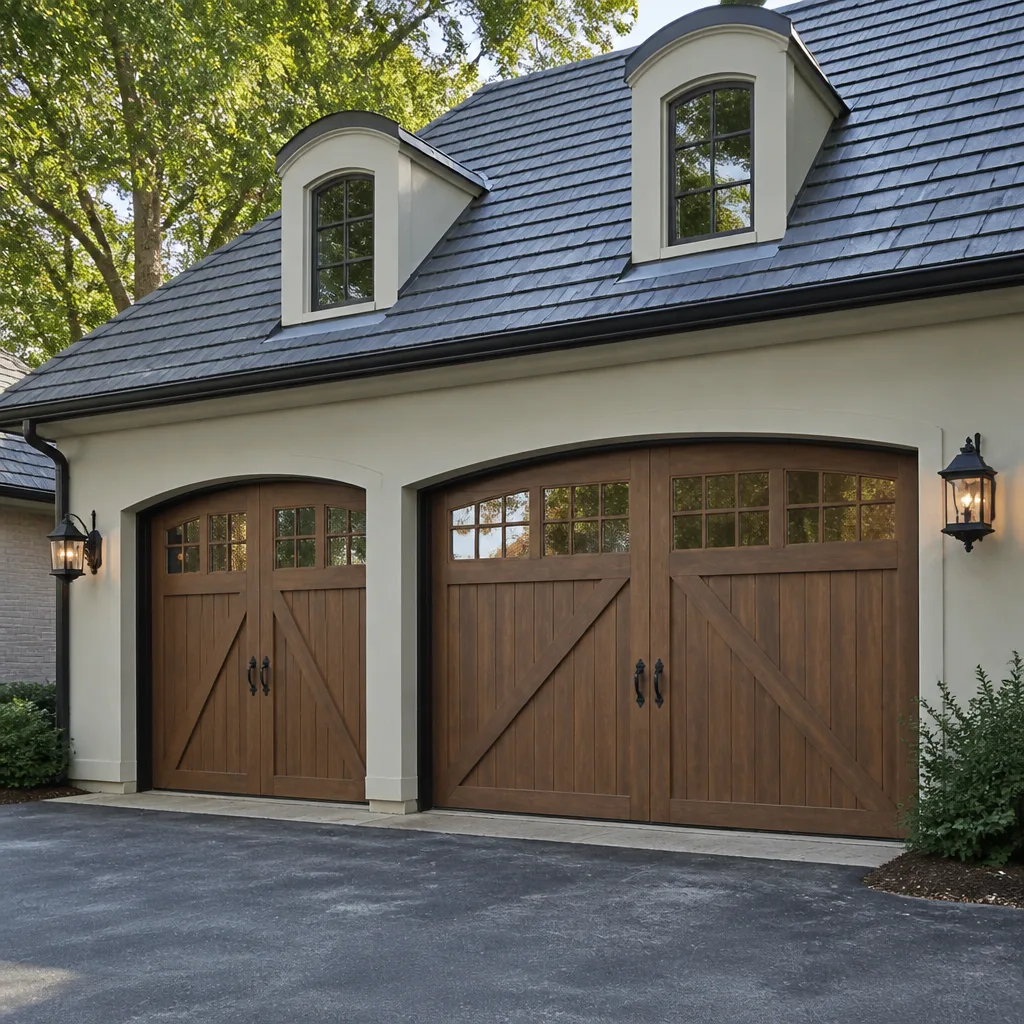 Carriage house
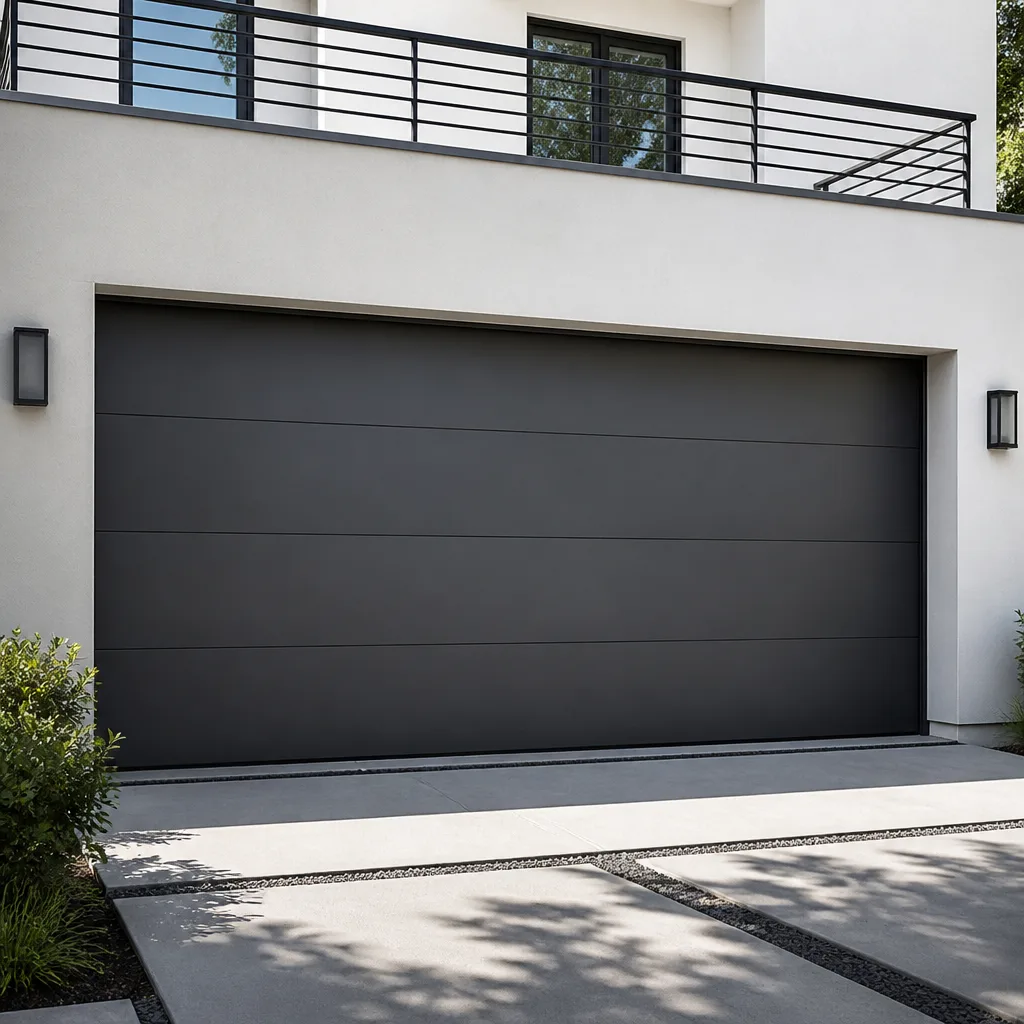 Modern flush
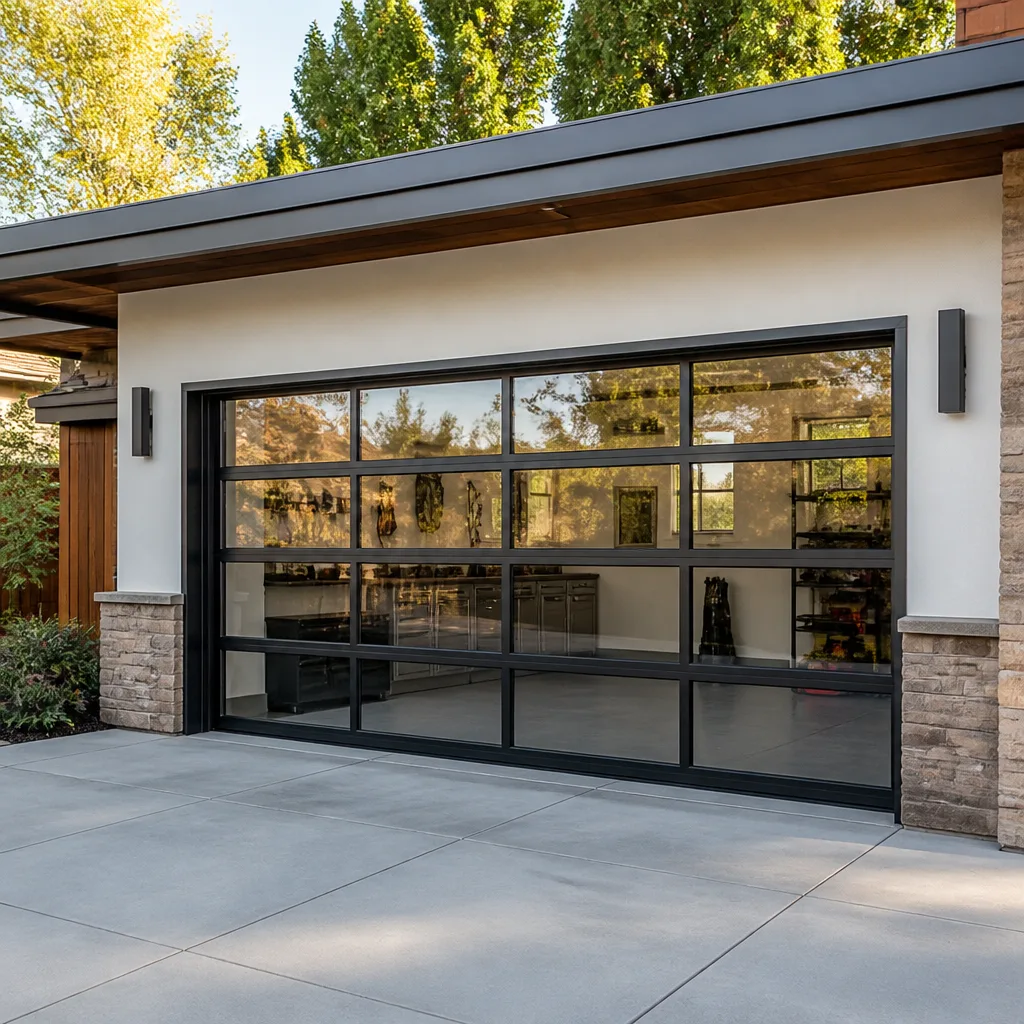 Full-view glass
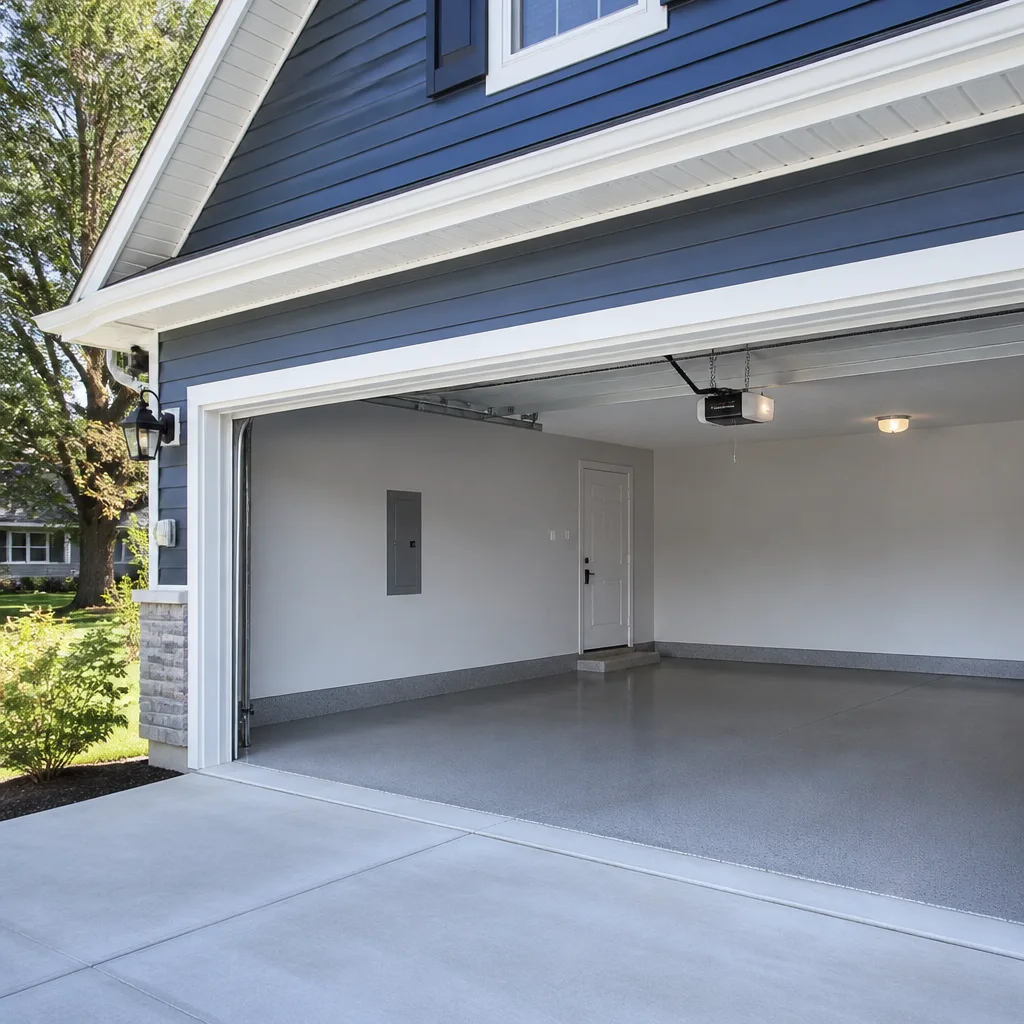 LiftMaster openers
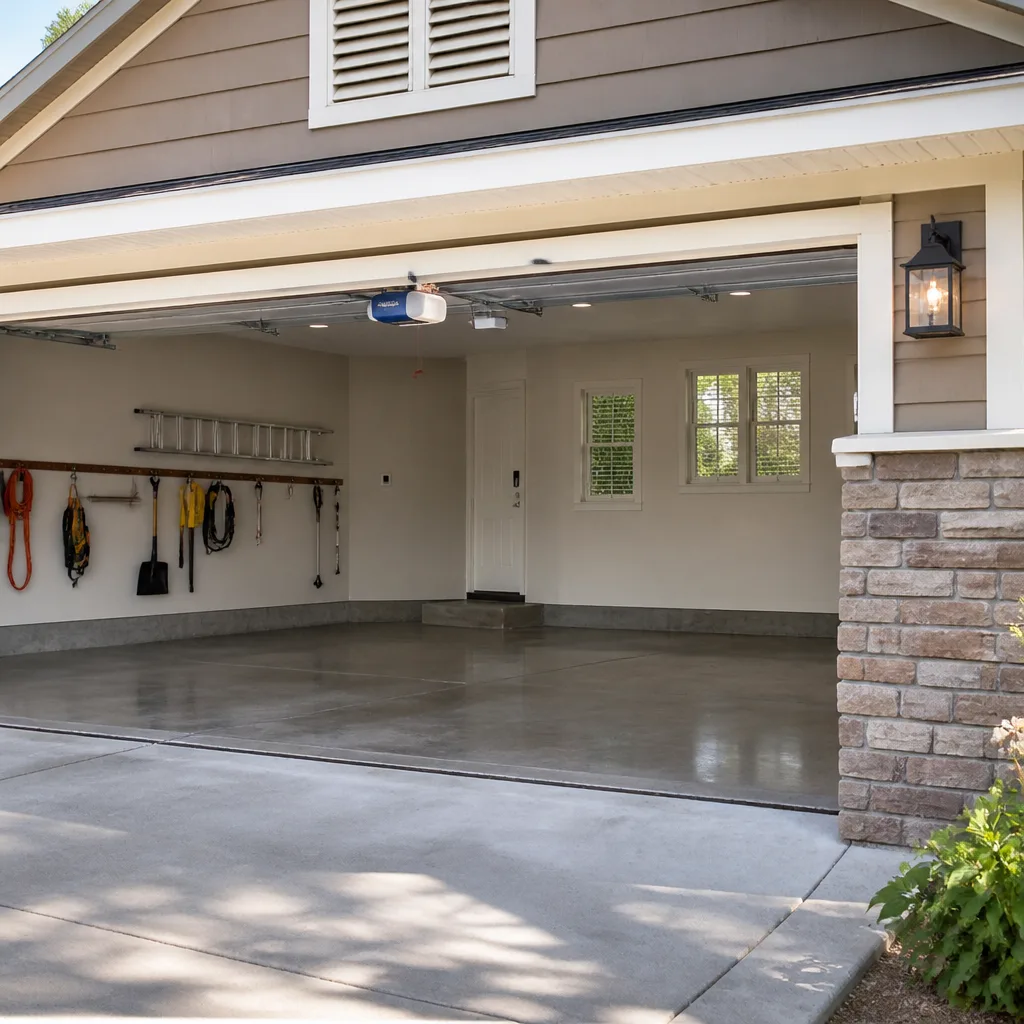 Chamberlain openers
Full 25-point door and opener safety check with every visit - springs, cables, rollers, tracks, and your LiftMaster or Chamberlain opener included
You get a price before we start. It does not change when the pro arrives.
Get your free estimateSeasonal Garage Door Care for Columbia: Year-Round Homeowner’s Guide
Columbia doesn’t get a clean four-season garage door calendar. It gets a mid-Atlantic whipsaw: 90°F humidity in August, a freeze in November, a 60°F week in January, then a hard freeze in February. Every swing stresses a different part of your door system, and the part that fails first is rarely the one you’d guess. Most homeowners head into spring thinking winter was the danger. In our experience around Columbia, the real trouble window is the late-fall freeze-thaw cycle, when temperatures cross the freezing line repeatedly and springs, seals, and opener gears take a beating before the ground even freezes solid. This guide maps Columbia’s weather patterns to the specific mechanical failures they cause, so you can act before a breakdown instead of after.
Quick Answer
In Columbia, MD, garage door maintenance should follow the freeze-thaw cycle rather than the calendar: lubricate springs, rollers, and hinges in October before the first hard freeze, inspect seals and wood panels after the humid summer, and test the opener’s safety reverse every month. The highest-risk period for spring failure isn’t deep winter, it’s the November and March freeze-thaw shoulder seasons, when repeated thaw cycles fatigue metal and loosen hardware. Check your door on both sides of those swings and you’ll head off most emergency calls.
Styles & brands we work with
- Raised-panel steel
- Carriage house
- Modern flush
- Full-view glass
- LiftMaster openers
- Chamberlain openers
Table of Contents
- Why Columbia’s Weather Is Hard on Garage Doors
- The Freeze-Thaw Shoulder Season: Your Highest-Risk Period
- Summer Humidity: Wood, Seals, and Opener Sensitivity
- The Right Lubricant for Maryland’s Temperature Range
- After a Heavy Wet Snow: What to Check Before You Open the Door
- A Month-by-Month Care Calendar for Columbia
- The Monthly Five-Point Check
- Common Mistakes to Avoid
- When to Call a Professional
- Frequently Asked Questions
Why Columbia’s Weather Is Hard on Garage Doors
A garage door is a machine that lives in one of the harshest spots in your house: an unheated, un-air-conditioned box that bakes in July and freezes in January. In Columbia, that box also gets cycled through rapid temperature swings that punish metal, wood, rubber, and electronics at the same time. A door that would last twenty years in a mild, stable climate can wear much faster here, and the wear is spread across parts that fail for completely different reasons.
Here’s what each type of Columbia weather actually does to a door system:
- Repeated freeze-thaw: Metal springs and torsion bars expand and contract through dozens of cycles, and the fatigue is cumulative. Hardware loosens. Bottom seals freeze to the concrete and tear when the door lifts.
- Summer humidity: Wood panels on older doors absorb moisture, swell, warp, and pull paint. Rubber seals soften. Opener logic boards and photo-eye lenses fog and misread.
- Hot-to-cold swings: Steel tracks and panels move at different rates than the hardware bolted to them, so bolts work loose and rollers wear unevenly.
- Wet, heavy snow: The kind common in Howard County packs weight against the bottom panel and freezes the seal to the floor. Forcing the door can bend panels or strip a gear.
Columbia’s neighborhoods make this practical too. A door facing an open court in Owen Brown gets more direct sun and more heat cycling than one tucked under trees in Wilde Lake, and the shaded side of a house stays damp longer after rain, which is harder on seals and paint. You don’t need a different maintenance plan for every village, but it helps to know which stresses your door actually faces.
The takeaway: maintenance isn’t about “preparing for winter” or “preparing for summer.” It’s about treating the transitions as the danger zones, and this guide is built around the transitions.
The Freeze-Thaw Shoulder Season: Your Highest-Risk Period
The highest-risk period for garage door spring failure in Columbia is the late-fall freeze-thaw cycle, roughly from the first hard frost through the first deep freeze, and again in early spring as things thaw. It’s not deep winter you should worry about most, because a door that’s cold and stable is under steady load. It’s the repeated crossings of the freezing line that fatigue the metal and make everything move.
Why is a freeze-thaw cycle so hard on springs? A torsion spring is a coiled steel spring under constant, heavy tension. Every time the door operates, that spring winds and unwinds. Add the daily expansion and contraction of the steel against the changing air temperature, and you’ve got a part that flexes far more in November than it does in a steady August. Over a season of swings, a spring that was near the end of its service life tends to let go on one of those cold mornings.
Your spring is also the part you should never touch. Torsion and extension springs are under extreme tension, and a spring that snaps under load can cause serious injury. We don’t recommend adjusting springs yourself under any conditions, no matter the season. What you can do:
- Listen before you look. A sharp bang, a door that lifts a few inches and stops, or a gap in the coils is the classic sign of a broken spring.
- Watch the door travel. If the door sits crooked or the bottom edge is uneven when partially raised, one spring may be losing tension.
- Lubricate before the first freeze. A light coat on the spring coils (not the door panels) reduces friction. Have a technician show you the correct spots if you’re not sure.
- Note the sound on cold mornings. A groaning door in November is telling you the hardware is binding. That’s a maintenance signal, not a “wait for it to break” signal.
Around Columbia, the shoulder season lands in the same weeks that schedules get busy. A broken spring that would be a nuisance in July can strand a car on a school morning. A regular maintenance check on both sides of the freeze-thaw window catches the wear before it does.
Summer Humidity: Wood, Seals, and Opener Sensitivity
Columbia’s August humidity affects three parts of your garage door system in specific ways: wood and composite panels, the bottom seal, and the opener. Each needs a different kind of attention, and none of it involves a spray with silicone on everything you can reach.
Wood and composite panels
Older wood-paneled doors are the most vulnerable. Wood absorbs moisture from the air and from the ground, and a door that swells in July can stick, rub on the frame, and crack its paint along the seams. Check the bottom panels and the frame edges for paint lifting, soft spots, or a split along the grain. A Clopay or Amarr steel door holds up better in humidity but can still rust where the paint has chipped. Touch up bare spots before they become rust, and consider a fresh exterior coat every few years on a wood door.
The bottom seal
The rubber seal along the bottom of the door is the most abused part of the whole system. Summer heat makes the rubber soft, and a soft seal can stick to a hot concrete floor and tear when the door lifts. Then it leaves a gap that lets in water and bugs. Run a hand along the seal (with the door down and the opener off) and look for tears, compression flat spots, or a section pulling out of its track. A bottom seal is one of the cheapest repairs on the whole door, and one of the most overlooked.
Opener sensitivity and photo eyes
Humidity and heat do unexpected things to opener electronics. The safety photo eyes at the bottom of the tracks fog up, get dirty, or shift slightly, and a modern LiftMaster or Chamberlain opener may read that as an obstruction and reverse or refuse to close. Wipe the lenses clean with a dry cloth, check that the eyes are aligned (one red LED steady, the other glowing on a clear path), and test the door’s auto-reverse with a small object on the floor. If the door still reverses for no visible reason, the opener is telling you something, and our garage door opener repair team works on the brand you already have.
A note on garage doors in Columbia’s humid summer: a door that reverses erratically isn’t always an opener problem. It can be a door that’s out of balance, so the motor labor harder to lift it. The two issues get confused all the time, which is one reason we diagnose the door and the opener together.
The Right Lubricant for Maryland’s Temperature Range
The correct lubricant for a garage door in Maryland is a garage-door-specific lithium or silicone-based grease, not WD-40, and not a general household spray oil. This matters more here than in a mild climate. A thin spray oil evaporates or runs off in summer heat and thickens to a gummy film in a January freeze, so a lubricant that felt fine in October can actually slow the door down in winter or collect grit that wears the rollers faster.
What to use, and where:
- Torsion springs and extension springs: a light coat of garage-door lubricant on the coils reduces friction. Don’t apply anything to the spring cables or drums, and never attempt to adjust spring tension yourself.
- Rollers, hinges, and the track: a few drops on the hinge pins and roller bearings, and a light wipe along the inside of the track. Don’t grease the track surface itself; a dry track keeps the rollers rolling instead of sliding.
- Bottom seal: a silicone-based lubricant keeps rubber pliable through both heat and cold.
- What to avoid: WD-40 in any of its general-purpose forms, cooking spray, motor oil, and anything that stays tacky in cold weather. A lubricant that gets stiff below freezing works against your opener.
How often should you lubricate? Once in the fall, before the first freeze, and once in spring, is a reasonable rhythm for Columbia’s temperature swings. If you hear the door squeal or groan on a cold morning, you’re overdue.
One common question: what if you’re not sure which parts are spring-loaded and which are safe to wipe down? Show a technician your door once and ask what to maintain. We’re happy to point it out on a visit, and it saves a lot of guessing.
After a Heavy Wet Snow: What to Check Before You Open the Door
Before opening your door after a heavy wet snow, clear the bottom of the door and the seal area of snow and packed ice, then check that the door moves freely by hand (with the opener disengaged) before you re-engage it and use the remote. Forcing a frozen door is one of the most common causes of winter repair calls in Columbia, and the damage is often more than the snow itself.
Howard County gets the wet, heavy kind of snow that packs against the bottom panel and freezes overnight. That creates two problems at once: a weight on the door, and a bottom seal frozen to the floor. Your opener is strong enough to overcome both, which is exactly why it can do damage when it tries. The motor keeps pulling, the seal tears, and the panels or hardware bend.
Here’s a quick sequence to follow:
- Clear the threshold. Shovel snow and chip ice away from the bottom of the door and the seal area. Don’t chop at the seal itself with a shovel edge.
- Disengage the opener and lift by hand. Pull the release cord and see if the door moves smoothly. If it resists, don’t force it. There may be ice in the track or a hardware problem.
- Check the tracks for packed ice or snow. A track full of frozen slush will stop a roller and stall the door.
- Re-engage and operate with the wall control first. If the door works by hand but not with the opener, the opener or its wiring is the issue.
- Watch the full cycle once. If the door reverses or stalls, stop and call. Don’t keep hitting the remote.
For a roof or door that’s holding a lot of snow, resist the urge to climb up and clear it yourself. Steep work belongs to someone trained for it.
A Month-by-Month Care Calendar for Columbia
This calendar is built around Columbia’s actual weather, not a generic template. It maps each task to the season that actually stresses that part of your door system, so you’re working with the climate instead of against it. Adjust the timing slightly for a cold or warm year, and check the forecast before a task that involves the freeze window.
January
Cold, stable, and hard on anything already worn. Test the opener’s safety reverse and listen for new noises on cold mornings. If a spring is going to fail, this is when you’ll hear it first.
February
Deep winter. Lubricate door hinges and rollers if the door feels stiff. Keep snow and ice clear of the threshold and the seal. Check for drafts and heat loss around the bottom seal; a torn seal here is both a comfort and an energy issue.
March
The spring thaw is the second riskiest period. As things warm, watch for a door that sticks or sits uneven. Damage from a hard winter tends to show up now. If the door was balky in February, have it checked this month.
April
Time for the spring maintenance pass: clean and lubricate springs, hinges, and rollers; test the safety reverse; inspect the bottom seal for winter damage; check that the door is balanced by hand.
May
Warm and dry, the easiest month for the door. Walk the track line, tighten loose bolts on the hinges and the frame, and touch up any rust spots before the humid months.
June
Humidity arrives. Inspect wood panels and door frames for paint blisters or swelling, and wipe down the photo-eye lenses. If the opener has a smart-home connection (many Genie and Chamberlain units do), check that the app is reporting correctly.
July
The hottest, muggiest stretch. Look for a bottom seal that’s sticking to the concrete or tearing. Run the door through a full cycle and see if it reverses unexpectedly.
August
Keep at it. Recheck the seal and hinges. A door that refuses to close on a hot afternoon is usually a photo-eye problem or a stuck seal.
September
The window closes. This is the last good month for major maintenance before the freeze. Schedule a check-up that includes the opener’s limit settings and the balance of the door.
October
Before the first hard freeze: lubricate springs, rollers, and hinges with a garage-door-specific lubricant; clean the tracks; test the safety reverse; and check for any hardware that loosened over the summer.
November
The high-risk freeze-thaw month. Watch for a door that groans, hangs, or bangs on cold mornings. If anything sounds different, don’t wait for it to break.
December
Snow season. Follow the wet-snow checklist and keep the threshold clear. A door that ran smoothly in October should run smoothly now. If it doesn’t, it needs attention.
The Monthly Five-Point Check
Even outside the seasonal tasks, a five-minute check once a month catches most of the problems before they become emergencies. Do it with the door closed and the opener off, and again with the door fully open so you can see the top of the tracks.
- Balance test. With the opener disengaged, lift the door waist-high and let go. A balanced door stays put. A door that slams or drifts is out of balance, and a technician should adjust the springs.
- Safety reverse test. Place a solid object on the floor in the door’s path and close the door with the wall control. It should reverse. If it doesn’t, the opener’s safety system needs attention, and you should stop using the door until it’s fixed.
- Visual hardware check. Look at springs, cables, rollers, and hinges. Broken coils, frayed cables, or wobbling rollers mean a call.
- Seal check. Run a hand along the bottom. If there’s a gap, a tear, or a hard spot, the seal is due for replacement.
- Sound check. Does the door squeal, groan, or rattle? Noise is your early warning. Lubricate the hinge pins and rollers, and if the noise stays, get it looked at.
If a monthly check turns up a balance problem or a broken spring, don’t try to fix it yourself. Springs and cables are under high tension and can cause serious injury. This is a job for a technician with the right tools and training. Our garage door repair service covers exactly these checks and fixes, and our technicians have up to experience with the full range of door and opener brands.
Common Mistakes to Avoid
- Using WD-40 on the door. It thins and runs off in summer and gums up in winter. In Columbia’s temperature swings, it can actually make the door harder to operate. Use a garage-door-specific lubricant instead.
- Ignoring the freeze-thaw window. Most homeowners prepare for deep winter and skip November. That’s when springs and hardware are most likely to fail. Check the door in late October and again in March.
- Forcing a frozen door with the opener. After a heavy wet snow, clear the threshold and test the door by hand before you hit the remote. Forcing it can tear the seal and bend panels.
- Lubricating the track surface itself. A greased track collects grit and slows the rollers. Keep the track dry and clean the inside of it with a dry cloth.
- Trying to adjust springs yourself. A torsion spring can snap with enough force to cause serious injury. No maintenance guide should ever tell you how to handle a spring. Call a technician.
- Skipping the safety reverse test. It’s the single most important monthly check, and it’s the one most often skipped. If the door doesn’t reverse, stop using it until it’s fixed.
- Replacing the whole door when a part is the problem. In our experience, a lot of “it’s time for a new door” conversations turn out to be a spring, a seal, or an opener that needs repair. Get a diagnosis before you spend on a replacement.
When to Call a Professional
Call a professional if you have a broken spring, a frayed or snapped cable, a door that’s off its tracks, a door out of balance, an opener that reverses for no visible reason after a clean photo-eye, or any door that’s been damaged in a storm. These are the repairs that involve high tension, heavy panels, or electrical components, and a trained technician is the right person for each. Our technicians have up to experience and work on LiftMaster, Chamberlain, Genie, Clopay, Amarr, Wayne Dalton, Craftsman, and Raynor equipment, so they arrive already familiar with your hardware. Meadow Garage Door Repair offers free estimates in Columbia. Call (888) 721-9522. We answer 24/7, with fast dispatch from 7am to 7pm, Sunday through Friday.
Frequently Asked Questions
Twice a year is a sensible rhythm in Columbia: once in late fall before the first hard freeze, and once in spring after the freeze-thaw cycle ends. Between those visits, run a five-minute monthly check of the balance, safety reverse, and bottom seal. The freeze-thaw swings here put more wear on springs and hardware than a stable climate would, so the two seasonal visits are worth keeping.
Yes. Repeated temperature swings around the freezing point fatigue the steel in a torsion or extension spring, and that’s exactly what late fall and early spring deliver in this part of Maryland. The failure doesn’t come from a single cold night; it builds up over dozens of thaw cycles. If a spring is already near the end of its life, those weeks often push it over. Call (888) 721-9522 for a free estimate on a spring repair.
Use a garage-door-specific lithium or silicone-based lubricant, not WD-40 or general household oil. Maryland’s temperature range matters here: a product that sprays on thin can get gummy in a January freeze and slow the door. Apply it to the springs, hinge pins, and roller bearings in late fall and again in spring. Call us if you’re not sure where the safe spots are.
Not until you’ve cleared the threshold and checked that the door moves freely by hand. Wet, heavy snow packs against the bottom panel and can freeze the seal to the floor, and forcing the door with the opener can tear the seal or bend panels. Chip the ice away from the seal, disengage the opener, and try a slow lift. If it resists, call a technician.
It can be repaired in winter. Cold doesn’t prevent most repairs, and a broken spring or torn seal should be fixed as soon as it fails, because a door that won’t open is a daily problem. In our experience, the winter months are exactly when springs tend to fail in Columbia, so waiting for warmer weather just leaves you without a working door. Call (888) 721-9522 for a free estimate. We answer 24/7, with fast dispatch from 7am to 7pm, Sunday through Friday.
The most common cause is dirty or misaligned safety photo eyes, which fog and gather dust in humid weather. Wipe the lenses and check that the LEDs are lit, then test the door again. If the door still reverses, the opener or the door balance could be the problem, and a technician should check it. You can read more about our garage door opener repair service if the issue continues.
The Bottom Line
Garage door care in Columbia isn’t about four neat seasons. It’s about the swings. The freeze-thaw shoulder seasons are your highest-risk stretch for springs and hardware, and the humid summers are the real test for seals, wood panels, and opener electronics. Lubricate with the right product before the first freeze, check the bottom seal after every heavy wet snow, and test the safety reverse once a month. Those habits catch most problems before they become emergency calls. When something does break, we’re here to put it back in working order, and we’ll tell you honestly whether it’s a repair or something more.
Whether you’re in Wilde Lake, Owen Brown, Hickory Ridge, or anywhere else in Columbia, give Columbia a call. We answer 24/7, with fast dispatch from 7am to 7pm, Sunday through Friday. Meadow Garage Door Repair offers free estimates in Columbia; call (888) 721-9522 today. You can also reach us through our main Meadow Garage Door Repair page to learn more about what we do.
Written by the team at Meadow Garage Door Repair.
See the difference
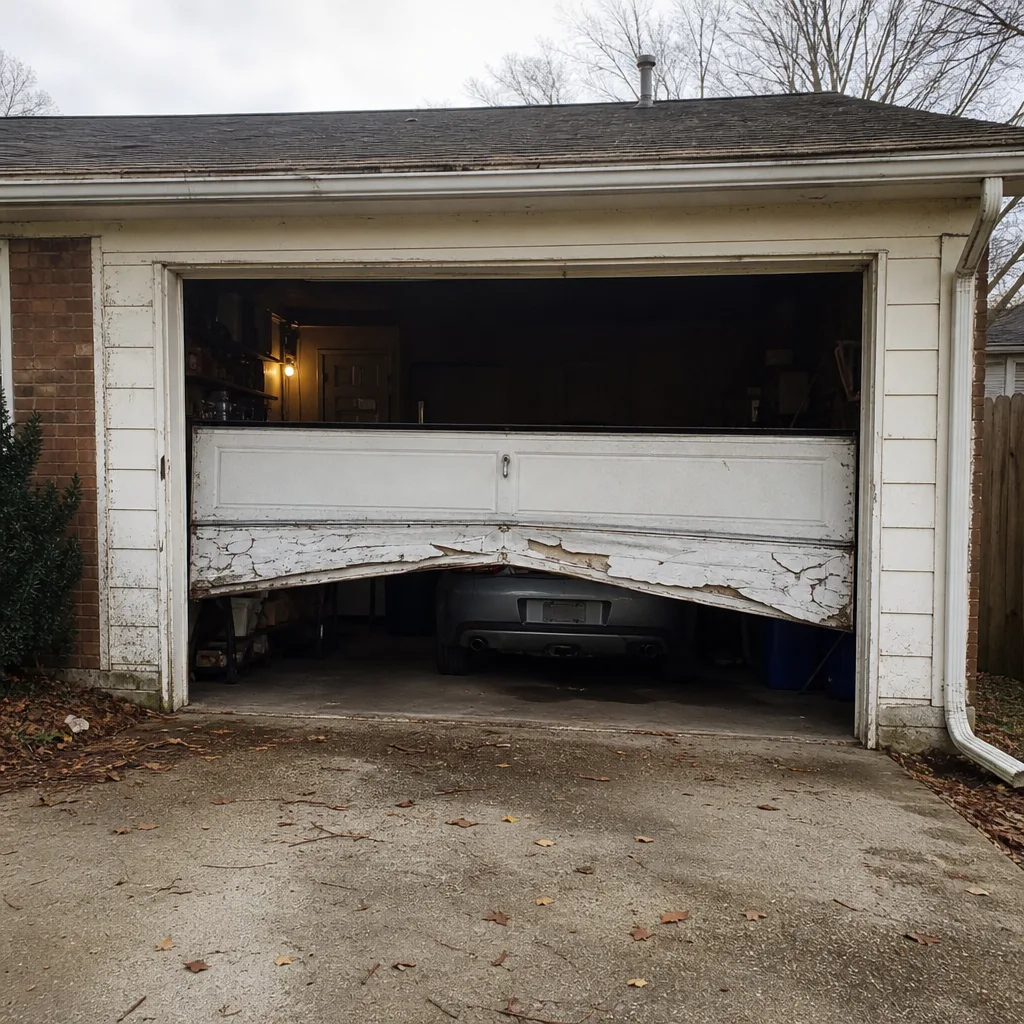 Before
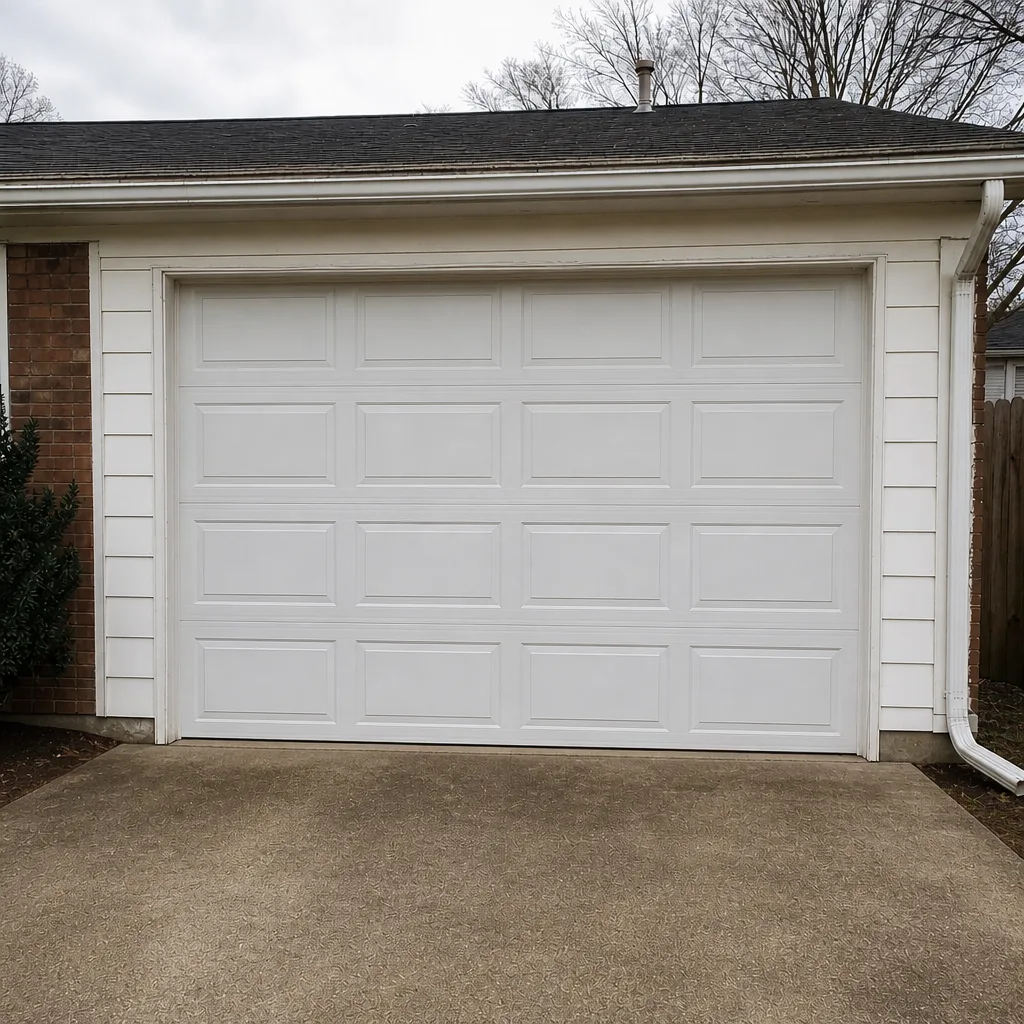 After
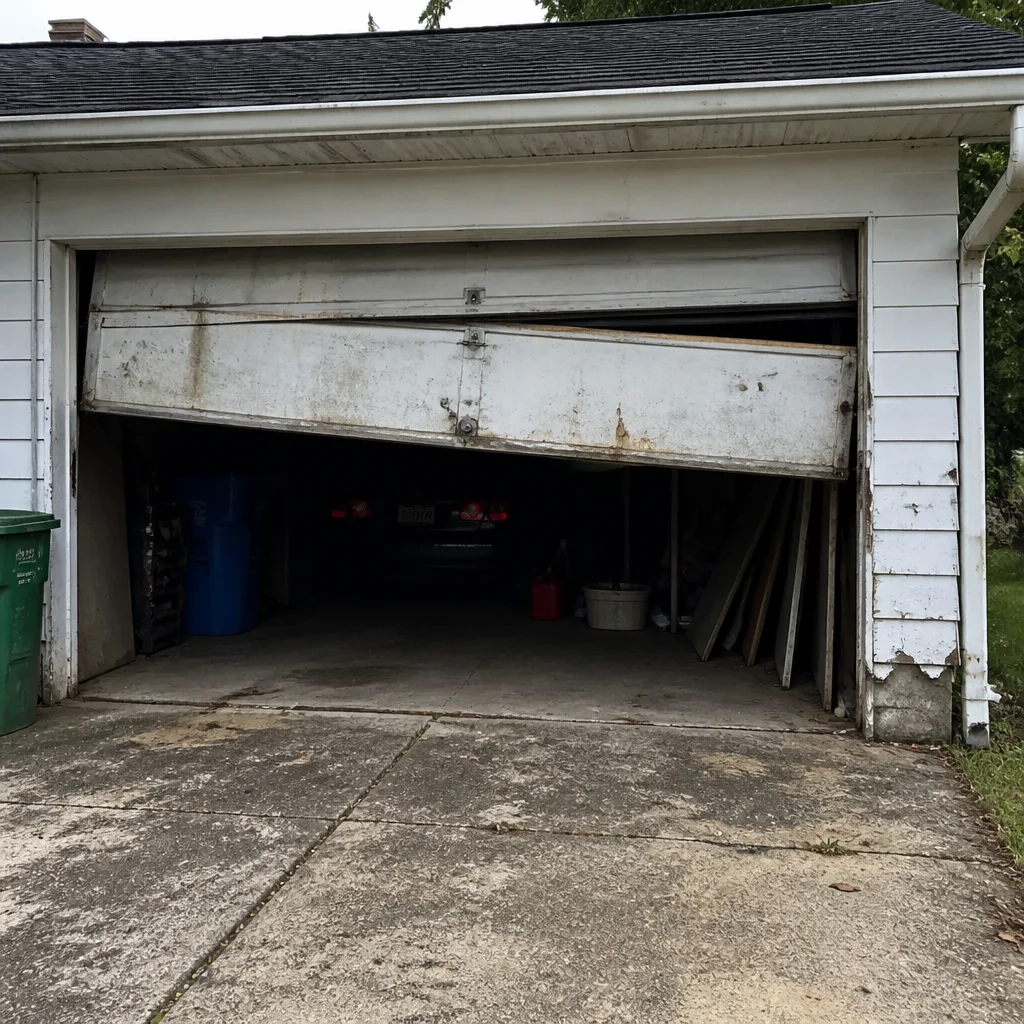 Before
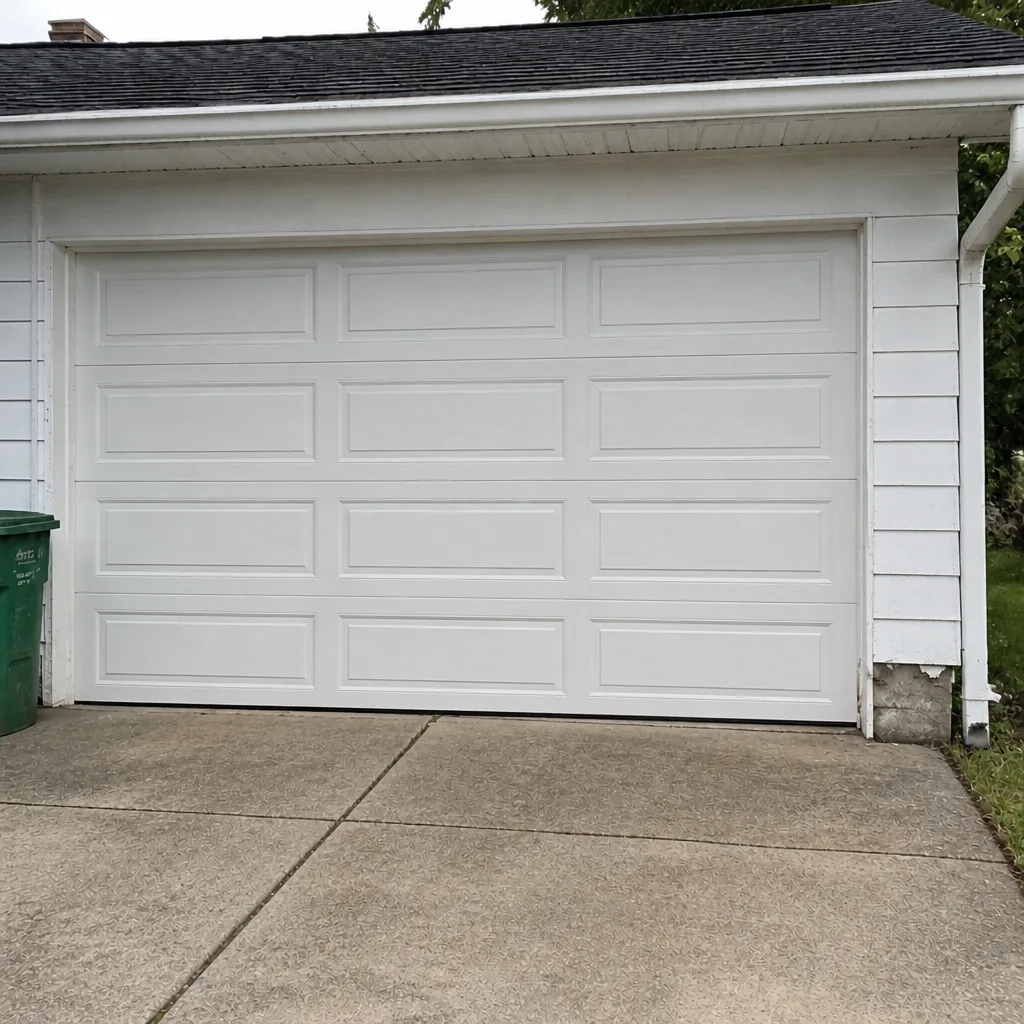 After
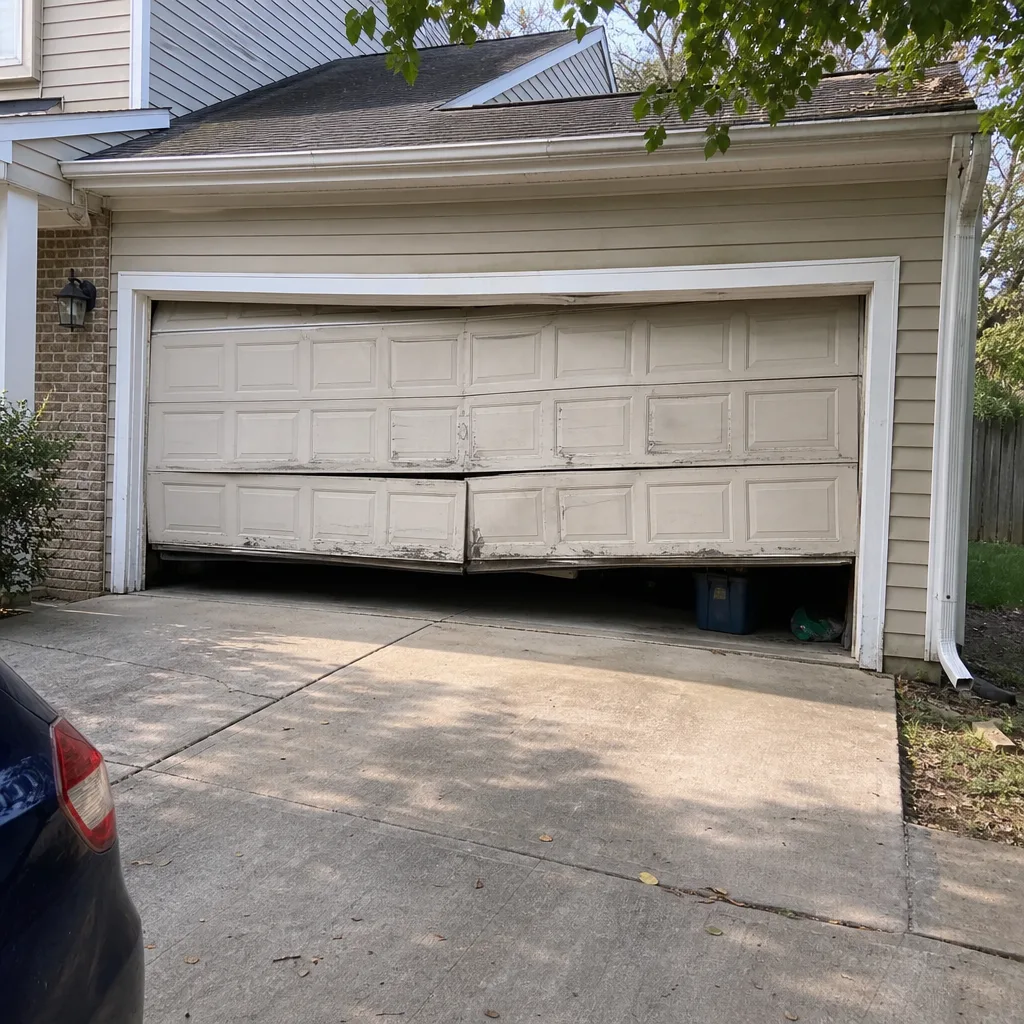 Before
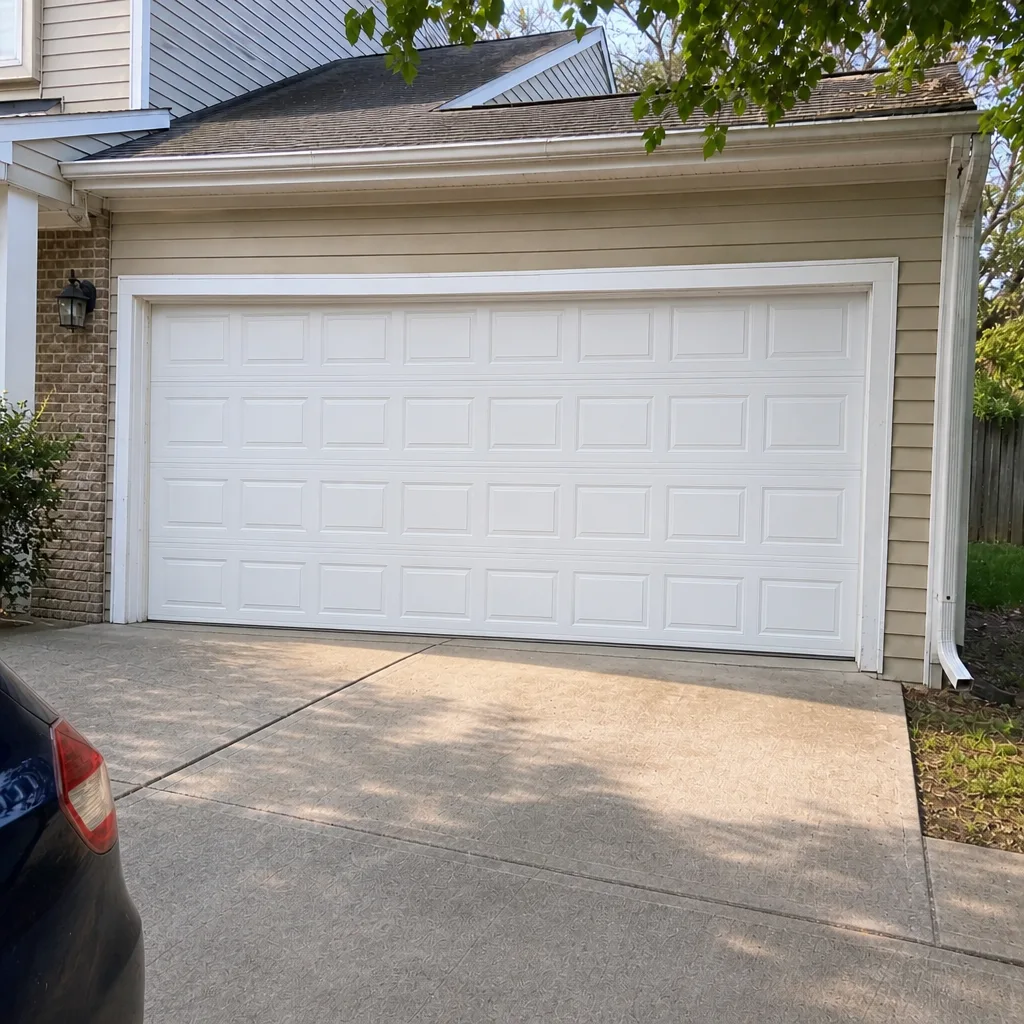 After