
Last updated November 16, 2026
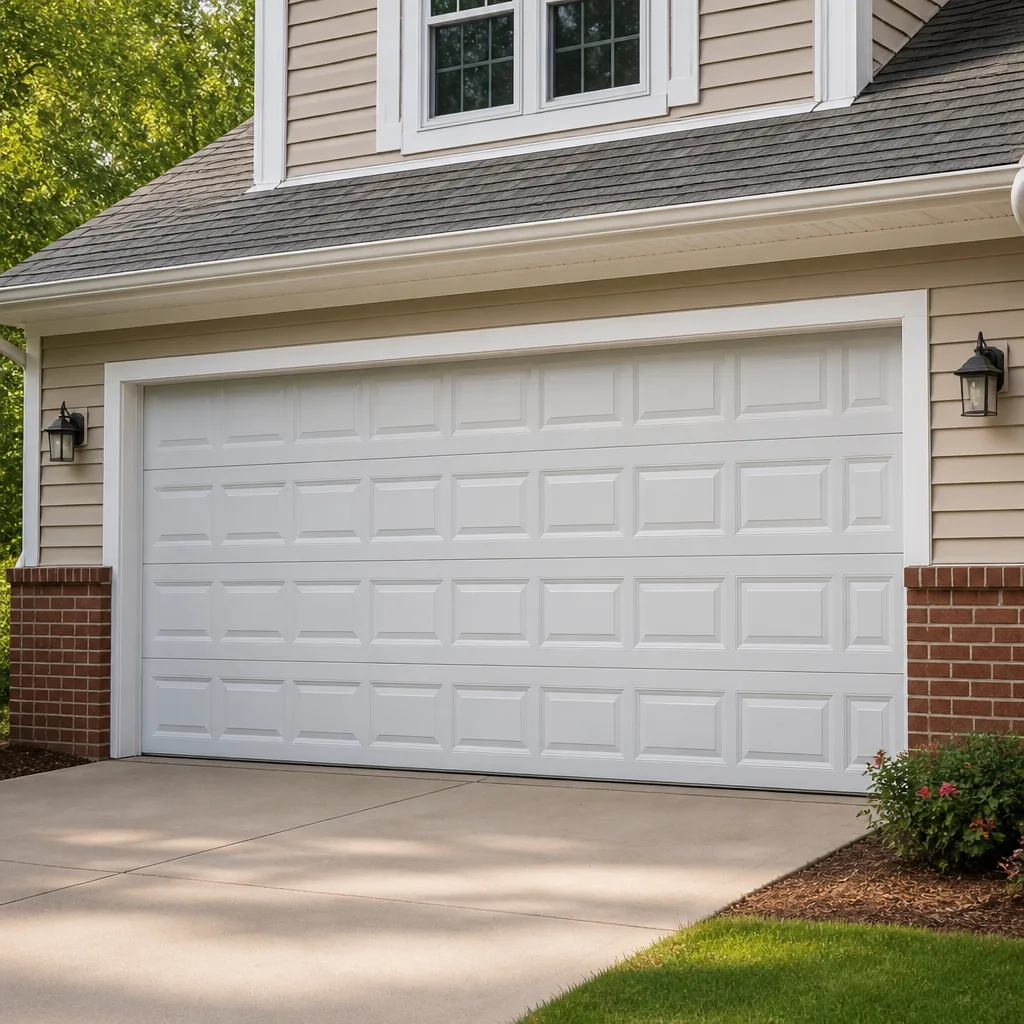 Raised-panel steel
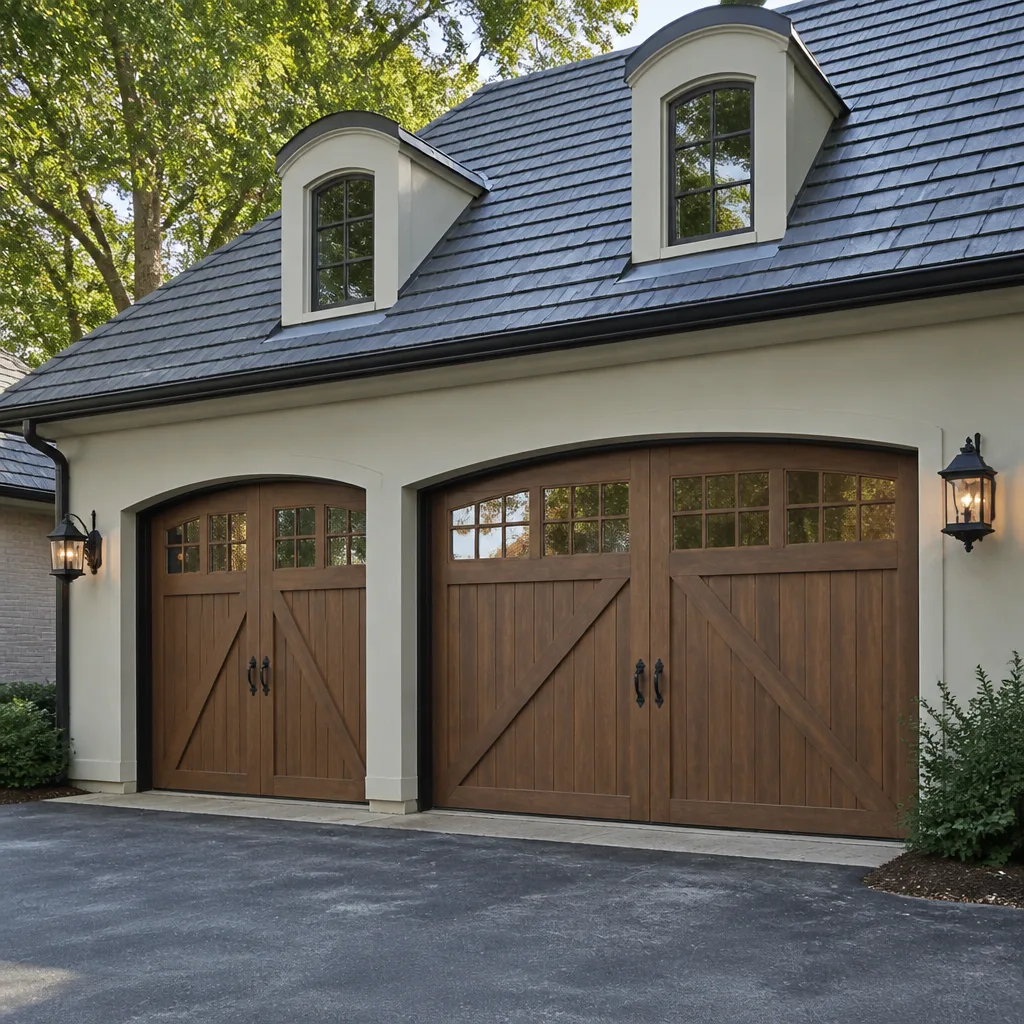 Carriage house
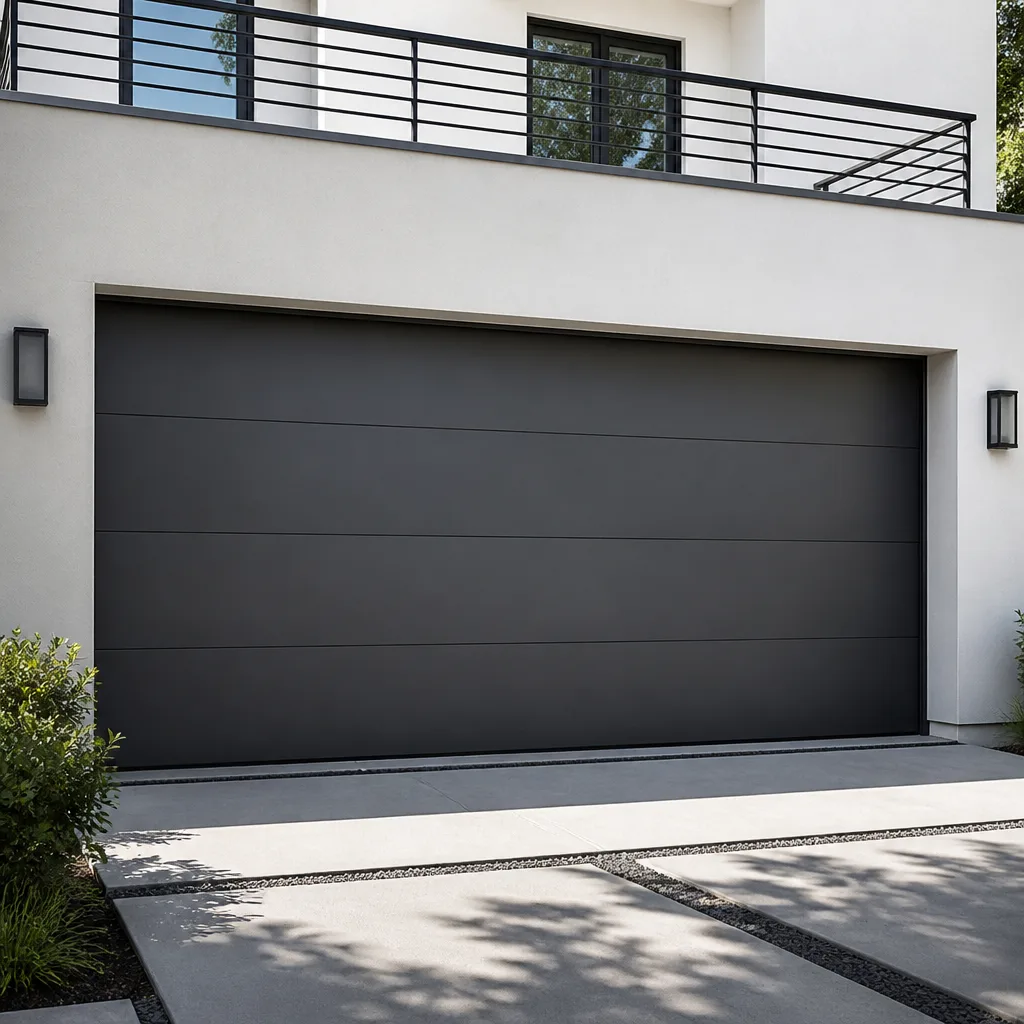 Modern flush
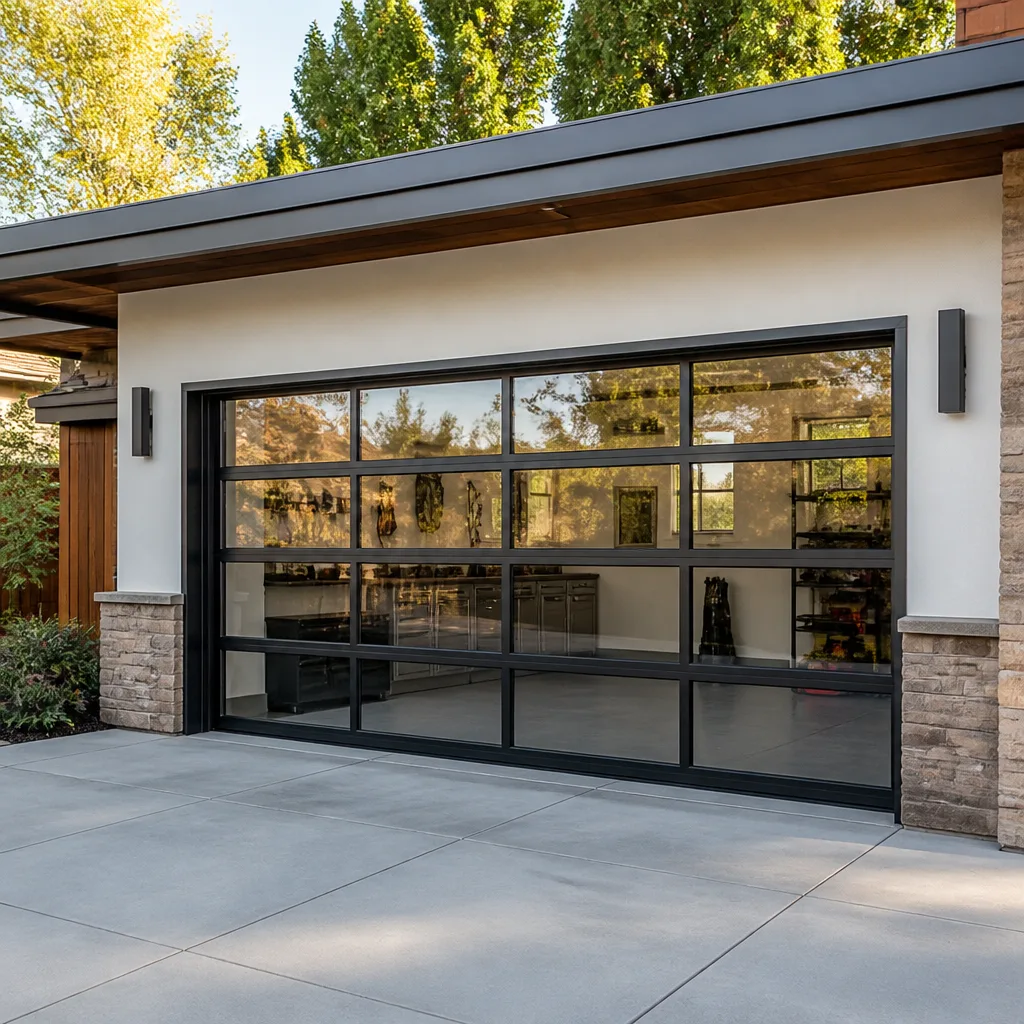 Full-view glass
 LiftMaster openers
 Chamberlain openers
Full 25-point door and opener safety check with every visit - springs, cables, rollers, tracks, and your LiftMaster or Chamberlain opener included
You get a price before we start. It does not change when the pro arrives.
Get your free estimateGarage Door Repair Maintenance Schedule: What to Do and When
Lubricating your garage door every six months sounds responsible, but if you do it in July and January in Maryland, you’re missing both shoulder seasons when metal contracts and debris accumulates most aggressively. A calendar built around arbitrary dates is the wrong framework for this equipment. Garage doors respond to usage cycles and temperature swings, not to the calendar on your phone. In Columbia, that means the weeks when temperatures cross back and forth across freezing are the ones that stress springs, rollers and openers hardest. What follows is a task list organized around the four moments that actually matter mechanically, plus the five-minute test that catches most developing problems early. Every task here is something you can do yourself, and we’ll tell you plainly where DIY stops and a technician starts.
Quick Answer
The right maintenance schedule for a garage door follows seasonal transitions and usage cycles, not fixed calendar months. In Columbia, do your heaviest checks in the spring and fall shoulder seasons, run a five-minute balance test once a month, lubricate according to your opener and hardware type rather than on a blind six-month timer, and keep a simple written log so any technician can see the door’s history at a glance. Most of what extends hardware life takes under ten minutes a month; the rest is knowing what not to touch.
Styles & brands we work with
- Raised-panel steel
- Carriage house
- Modern flush
- Full-view glass
- LiftMaster openers
- Chamberlain openers
Table of Contents
- Why Shoulder Seasons Matter More Than Summer and Winter in Columbia
- The Spring Transition: What to Check as Temperatures Rise
- The Fall Transition: What to Check Before the First Freeze
- The Five-Minute Monthly Balance Test
- Lubrication by Opener Type: Chamberlain, LiftMaster, Genie and Raynor
- Which Tasks Actually Extend Hardware Life (and Which Are Busywork)
- How to Build a Maintenance Log That Saves You Money
- Where DIY Maintenance Ends and a Technician Starts
Why Shoulder Seasons Matter More Than Summer and Winter in Columbia
The highest-risk periods for a garage door in Columbia aren’t the hottest weeks of July or the coldest snap in January. They’re the shoulder seasons, when the metal is moving. Steel tracks, torsion springs and hinges all expand and contract with temperature, and the stress isn’t in the steady state of full summer or full winter. It’s in the transitions, when the metal crosses back and forth across the freezing line several times in a week.
Columbia’s climate gives you two distinct shoulder windows. Spring runs roughly from the last hard freeze through the first genuinely warm stretch. Fall is the reverse: warm afternoons and cold nights, with condensation forming on cold metal each morning. Both windows put repeated load cycles on springs and repeatedly loosen and re-seat hardware that was tight a month earlier.
There’s a second, very Columbia-specific factor: pollen and leaf debris. Spring pollen coats tracks and rollers, and fall leaves and grit work their way into the same channels. Debris in a track is abrasive. It doesn’t just make the door loud; it wears the rollers and forces the opener to work harder on every cycle.
What that means in practice:
- Spring window: clear pollen and grit from tracks, check that rollers still turn freely, and listen for new noises on the way up and down.
- Fall window: clear leaves and grit, check weather seals before cold air arrives, and look closely at springs and cables for wear as the metal starts contracting.
- Both windows: re-check all visible fasteners, because the expansion and contraction cycle loosens bolts and lag screws over a season.
If you only do maintenance twice a year, do it at these two transitions, not in the dead of summer and the dead of winter. That single scheduling change does more for your door than any product you can buy. If something at either transition looks beyond a homeowner fix, our garage door repair service is where most Columbia homeowners start.
The Spring Transition: What to Check as Temperatures Rise
The spring transition is about undoing winter’s wear and clearing what winter left behind. Cold weather stiffens lubricant, hardens seals and works hardware loose. As temperatures climb, those same parts start moving again, and whatever was marginal in February tends to show itself in April.
Work through this list once, in order, as the last freezes pass:
- Clear the tracks. Wipe out grit, pollen and any debris with a dry cloth. Don’t lubricate the tracks themselves; the door’s rollers ride in them and a wet track collects exactly the grit you just removed.
- Check the rollers. Steel rollers should turn freely. Nylon rollers should be intact with no flat spots. A roller that’s stopped turning is dragging, not rolling, and it wears the track.
- Look at the springs. From a safe distance, check torsion springs above the door and extension springs along the sides for gaps, rust or a stretched look. Never touch them or try to adjust them.
- Test the safety reverse. Put a small object in the door’s path and confirm the door reverses on contact. This is the single most important safety check on the whole list.
- Re-tighten visible fasteners. Hinges, brackets and the track mounts take a seasonal beating. Snug anything that’s worked loose, without overtightening into stripped metal.
- Wash and inspect the panels. Winter grit and road spray collect on the lower panels. Clean them and look for dents or rust starting at the bottom edge.
The spring check takes maybe twenty minutes for a single-car door. Do it on a mild day when the door isn’t stiff from cold, and you’ll get a much clearer read on what’s actually worn. If your door uses a LiftMaster or Chamberlain opener, this is also a good time to confirm the travel limits still stop the door flush with the floor, since a winter of cold cycles can shift them slightly.
The Fall Transition: What to Check Before the First Freeze
The fall transition is about getting ahead of the cold. Everything you check in fall is aimed at the freezing months ahead, when a marginal part becomes a failed part and a small gap becomes a cold draft or a frozen seal.
- Clear leaves and grit from tracks and the door’s travel path. Wet leaves packed into a track freeze solid and can stop a door dead.
- Inspect the bottom seal and side seals. A cracked or flattened bottom seal lets cold air and moisture under the door. If it’s brittle or torn, it’s a cheap part to replace before winter.
- Check the springs and cables again. Cold metal contracts, and a spring that’s been slowly weakening all year tends to announce itself in the first hard freeze. Look for rust, gaps and fraying.
- Confirm the opener’s force and travel settings. Cold stiffens grease and rollers, and an opener set right at the edge of its force limit will start reversing or stalling in January. Have the settings checked if the door has been hesitating.
- Test the safety reverse again. It should work in cold weather, not just warm. Test it on a cold morning, not a mild afternoon.
- Look at the exterior. Check for loose trim, gaps at the frame, and any place water can get behind the door and freeze.
Fall is also when we see the most opener trouble in Columbia, and it’s usually not the opener’s fault. A Genie or Raynor opener that ran fine all summer can start reversing when the door gets stiff in the cold, and the force setting is masking a hardware problem rather than causing one. If your door starts reversing on its own as the weather turns, that’s a signal to look at the door, not just the motor. Our garage door opener repair service handles the electronics and the motor side, and we’ll tell you honestly if the real issue is the door itself.
We work on whatever hardware is already on your door, whether it’s a LiftMaster, a Chamberlain, a Genie, a Raynor or a Clopay setup. That brand-neutral approach matters at both transitions, because the checks differ by hardware type and a technician who knows your specific system gets to the real problem faster.
The Five-Minute Monthly Balance Test
This is the most valuable five minutes you’ll spend on your garage door all month. A balance test catches developing spring, cable and track problems long before they become a snapped spring or a door that won’t open. Here’s the honest caveat first: only do this on a door with a working opener and a safety reverse, and only if the door moves smoothly when you test it. If it feels heavy, jerky or won’t stay put, stop and call a technician.
How to run it:
- Disconnect the opener. Pull the manual release handle (usually a red cord) so the door is on its own springs, not the motor.
- Lift the door to about waist height. It should feel manageable, not like dead weight. A properly balanced door takes little effort to lift.
- Let go at the halfway point. A balanced door should hold roughly in place, maybe drift a few inches. A door that slams down or drops fast is out of balance. A door that shoots up is over-tensioned.
- Move it to three or four positions. Test it a quarter open, half open and mostly open. A spring that’s failing often shows up in one zone but not another.
- Reconnect the opener. Push the release back in and run the door once from the wall control.
A door that fails the balance test in one spot tells you a spring is losing tension. A door that feels heavy through its whole travel points to springs or cables. Either way, that’s the point at which a homeowner stops and a trained technician takes over, because torsion springs and cables are under extreme tension and are genuinely dangerous to touch. The value of the test isn’t fixing anything. It’s catching a spring problem weeks before it strands you.
We’ve seen enough failed springs to know the pattern: a door that quietly fails the balance test for a month or two and then snaps a spring on a cold morning. If your door fails the test, call (888) 721-9522 and we’ll get it looked at before it becomes a bigger job. We answer 24/7.
Lubrication by Opener Type: Chamberlain, LiftMaster, Genie and Raynor
Generic maintenance guides tell you to lubricate the door “every six months” and move on. That’s too vague to be useful, because what you lubricate and how often depends on your hardware. Chain-drive, belt-drive and screw-drive openers have different lubrication needs, and the door’s own hinges, rollers and springs need treatment separate from the opener.
Chain-drive openers (common on Chamberlain and LiftMaster)
Chain-drive units are the workhorses. The chain itself is usually factory-lubricated and doesn’t need regular oiling; what needs attention is the chain’s tension and the roller and hinge lubrication on the door. A dry or overly tight chain is noisy. When you do lubricate, use a proper garage door lubricant on the hinges, rollers and springs, not on the chain unless the manufacturer’s manual says so.
Belt-drive openers
Belt-drive openers are quieter by design and generally need less lubrication than chain-drive. The belt shouldn’t be oiled at all. Focus your lubricant on the door hardware: hinges, rollers, torsion spring coils (a light application only, never anything that attracts grit).
Screw-drive openers (common on Genie)
Screw-drive openers use a threaded rod that needs the correct lubricant, and the wrong product can actually attract grit and cause binding. Check your opener’s manual for the recommended type, and don’t substitute a general-purpose spray.
Raynor and other installed systems
Whatever system you have, the door-side hardware is where lubrication does the most good: hinges, rollers, springs and the pivot points. Use a purpose-made garage door lubricant rather than cooking spray, WD-40’s standard product or motor oil, all of which either attract grit or dry out. Never lubricate the tracks themselves.
One habit worth building: lubricate the door hardware at each seasonal transition, and lubricate the opener according to its manual. Most opener problems we see in Columbia start with a door that’s getting stiff and a motor that’s being asked to work harder than it should.
Which Tasks Actually Extend Hardware Life (and Which Are Busywork)
Maintenance lists online are often padded with tasks that feel productive but don’t change how long your hardware lasts. Here’s the honest split, based on what actually fails on garage doors.
Tasks that genuinely extend hardware life:
- The monthly balance test. Catches failing springs and cables early. Highest-value five minutes on the list.
- Clearing and inspecting tracks. Grit wears rollers and forces the opener. A clean track is a long-lived track.
- Lubricating hinges, rollers and springs at each transition. Reduces friction, quiets the door and slows wear on moving parts.
- Testing the safety reverse. Not a longevity task; a safety task. It matters more than any of the others combined.
- Re-tightening visible fasteners. Loose hardware is a leading cause of premature roller and track wear.
- Replacing a worn bottom seal. Cheap, and it keeps moisture out of the door and the door frame.
Tasks that are mostly busywork:
- Washing and polishing the door more than once or twice a year. Looks good, doesn’t help the mechanism.
- Re-painting hardware that’s still functional. Cosmetic, not mechanical.
- Replacing rollers on a fixed schedule regardless of condition. Replace them when they’re worn, not when a timer says so.
- Adjusting things that aren’t broken. Every adjustment is a chance to introduce a problem.
- Lubricating on a fixed six-month timer regardless of your opener type. The right schedule is tied to hardware, not the calendar.
If you only do the high-impact tasks, you’ll get most of the benefit. The rest is optional, and some of it is actively pointless. Focus your time on the balance test, the tracks and the transitions.
How to Build a Maintenance Log That Saves You Money
A simple log makes every future service call faster and cheaper, because the technician walks in already knowing the door’s history instead of starting from scratch. You don’t need an app; a notebook taped inside the garage or a note on your phone works fine. What matters is that it’s easy to find and consistently filled in.
What to record:
- Date and what you did. “Balance test – passed” or “Cleared tracks, lubricated hinges” is enough.
- Anything that changed. New noise, a door that started hesitating, a seal that started letting light in.
- Opener behavior. If it reversed on its own or felt slow, note the date and the weather.
- Any service call or repair. What was done, and by whom. This is the entry a future technician will care about most.
- Parts replaced. Rollers, springs, seals, batteries. Date and what type.
Why this works: a garage door’s history is diagnostic. A technician who knows a spring was replaced two years ago and the door has started failing the balance test again will look in a different place than a technician starting cold. A log also catches patterns. If your Chamberlain opener starts reversing every November, that’s a seasonal pattern worth fixing properly rather than resetting each fall.
Keep the log by the door and a backup photo on your phone. When you call for service, mention that you keep a maintenance record. It saves diagnostic time, and it makes our job easier too. If you’re in Columbia and need a hand with any of this, our Columbia team can walk through your log and your door together.
Where DIY Maintenance Ends and a Technician Starts
Most of the tasks on this list are safe and sensible for a homeowner. A few are genuinely dangerous, and knowing the line protects you.
Safe for a homeowner:
- Clearing and inspecting tracks
- Lubricating hinges, rollers and springs with a light application
- Testing the safety reverse
- Running the balance test (with the precautions above)
- Cleaning panels and inspecting seals
- Replacing opener batteries and re-pairing remotes
- Re-tightening visible fasteners by hand
Where a trained professional takes over:
- Any work involving torsion springs or cables. These are under extreme tension and can cause serious injury. Never try to adjust, remove or replace them yourself.
- Track straightening beyond minor snugging. A bent track can be dangerous to force back into place.
- Opener motor, capacitor or gear work. There’s mains voltage inside the opener housing.
- Any electrical work on the opener’s wiring or a new circuit. That belongs with a qualified technician.
- Structural or framing work around the door.
- Any check where the door fails and you’re tempted to “just tighten it.” That’s the moment to stop.
The pattern is simple: if it involves a spring, a cable, the opener’s internals or the electrical supply, that’s a trained technician’s job. Everything else, you can handle. When you’re unsure, call us. We’d rather answer a question than have you get hurt. Our technicians have up to 13 years of experience and we’ll tell you directly whether something needs a repair or a replacement.
Common Mistakes to Avoid
- Maintaining on a fixed six-month calendar. What matters is the shoulder-season transitions, not the calendar date. The same task done in spring and fall has far more value than the same task done in July and January.
- Lubricating the tracks. This is the most common maintenance mistake we see in Columbia. Tracks should stay dry and clean; a wet track collects grit and wears the rollers.
- Using the wrong lubricant. Cooking spray, WD-40 and motor oil either attract grit or dry out. Use a purpose-made garage door lubricant on hinges and rollers.
- Adjusting the opener to fix a door problem. A door that reverses in cold weather usually has a stiff hardware issue, not a motor problem. Adjusting the force setting just masks the real issue until a spring fails.
- Touching the springs or cables. No amount of online maintenance advice makes this safe. Torsion springs carry enormous tension and should never be a homeowner project.
- Waiting until something breaks. The balance test and seasonal checks exist to catch failing parts before they fail. Skipping them is what turns a small repair into a stranded car.
- Not keeping a log. It costs you nothing and saves diagnostic time every time a technician visits. Every future call goes faster with a written history.
See the difference
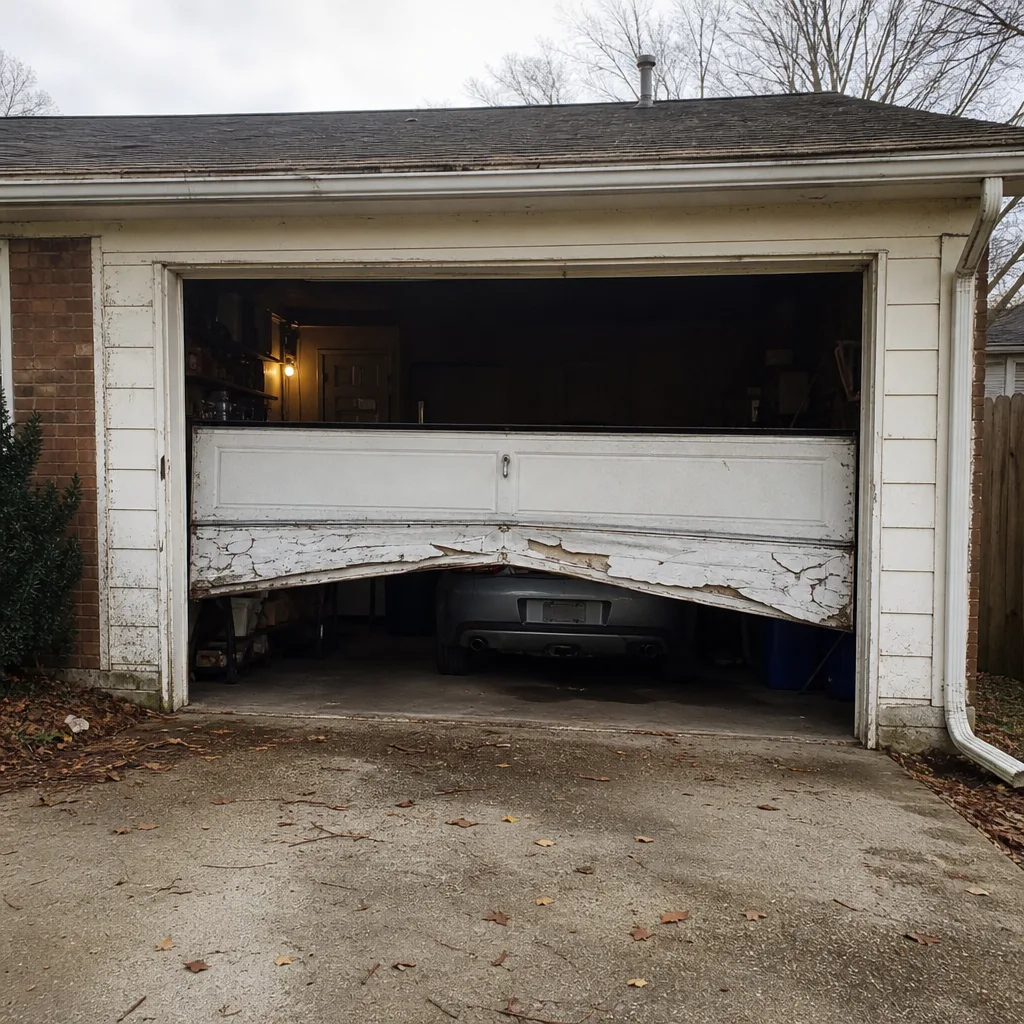 Before
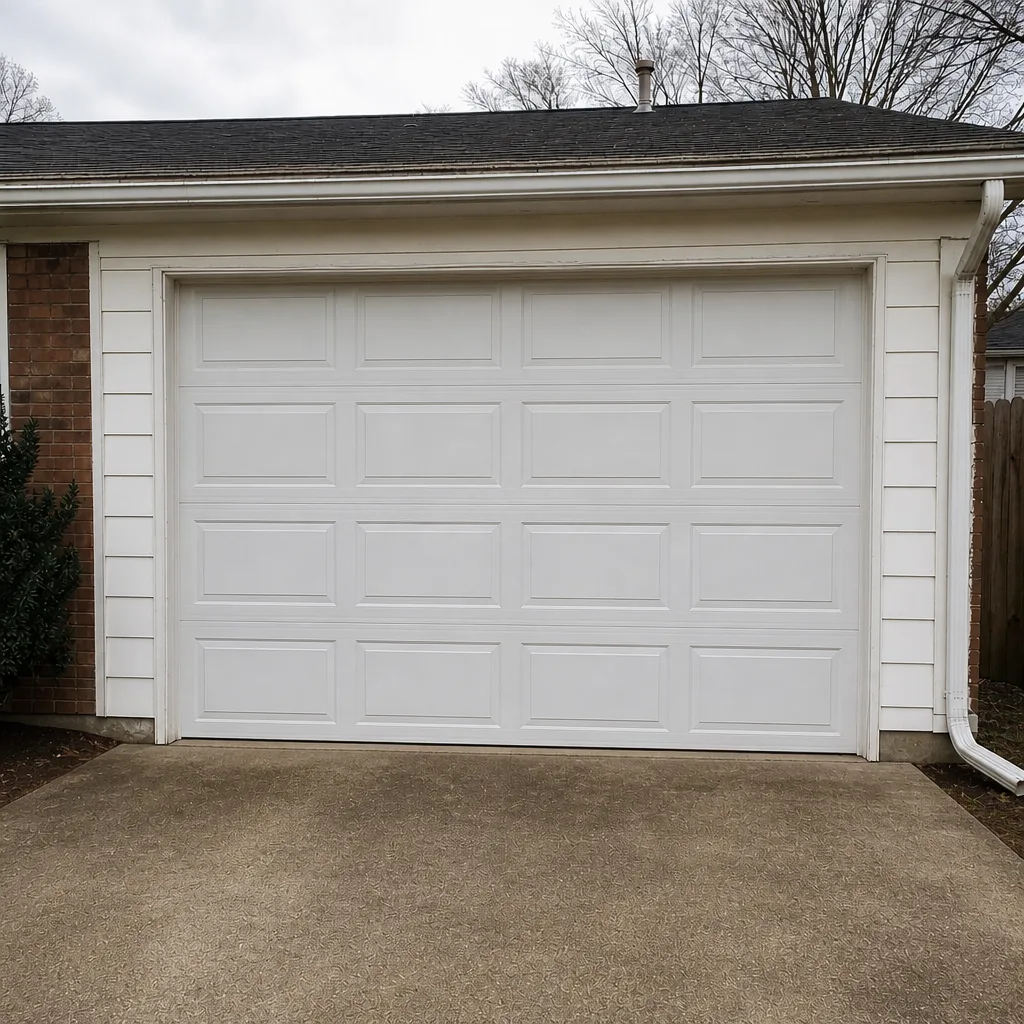 After
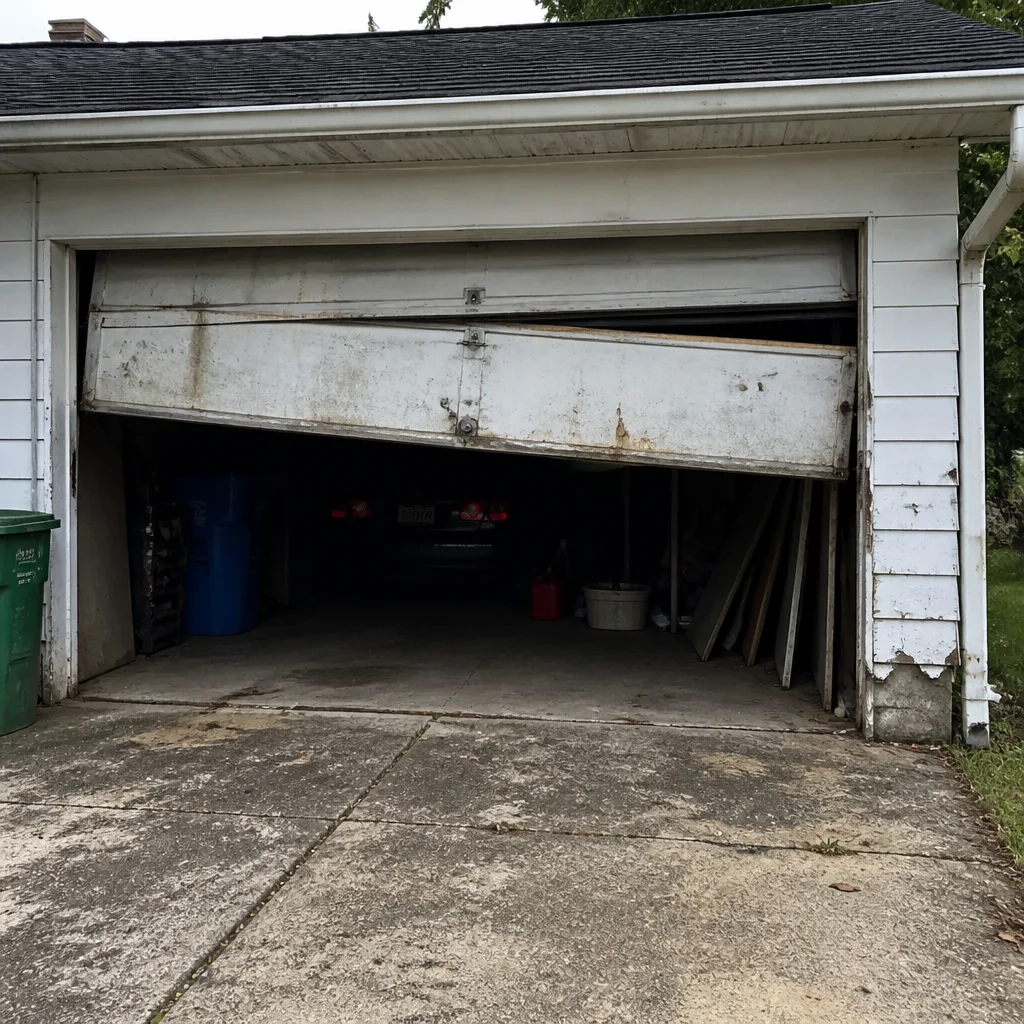 Before
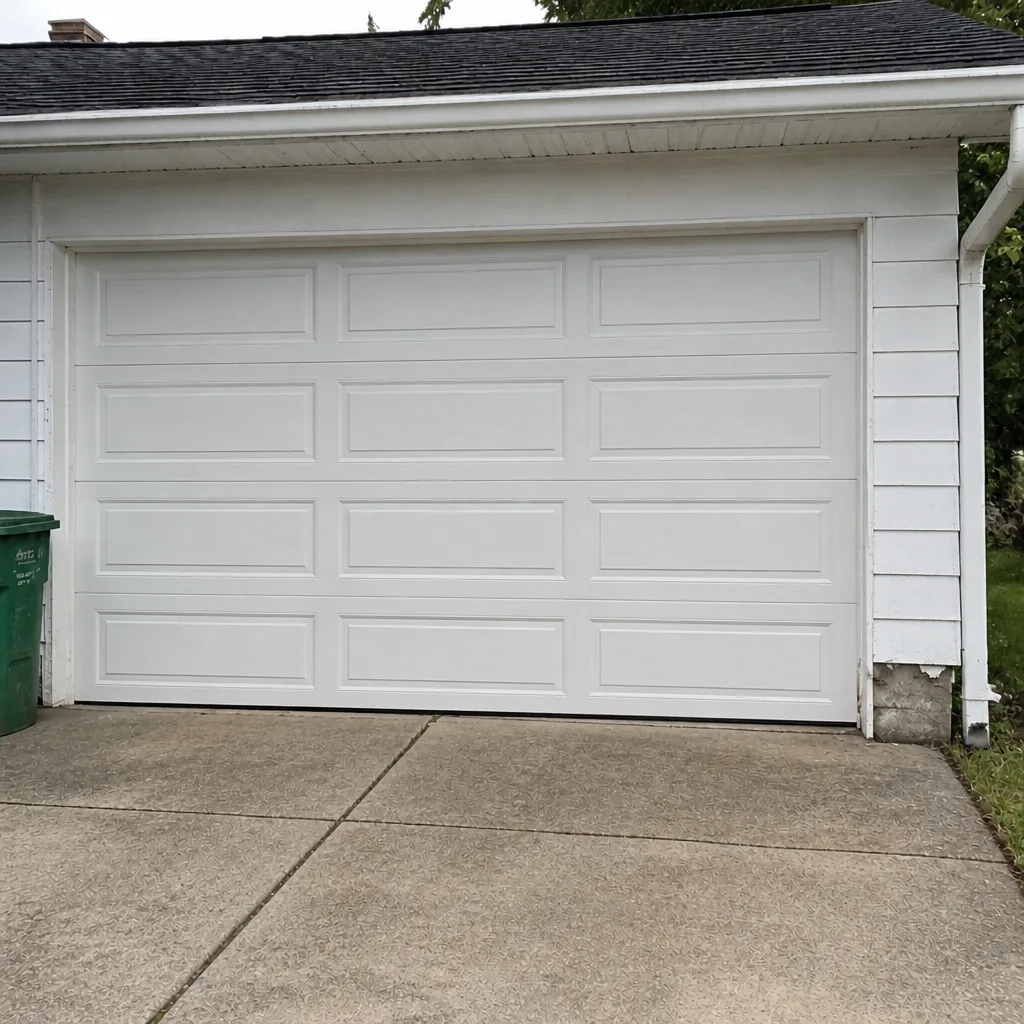 After
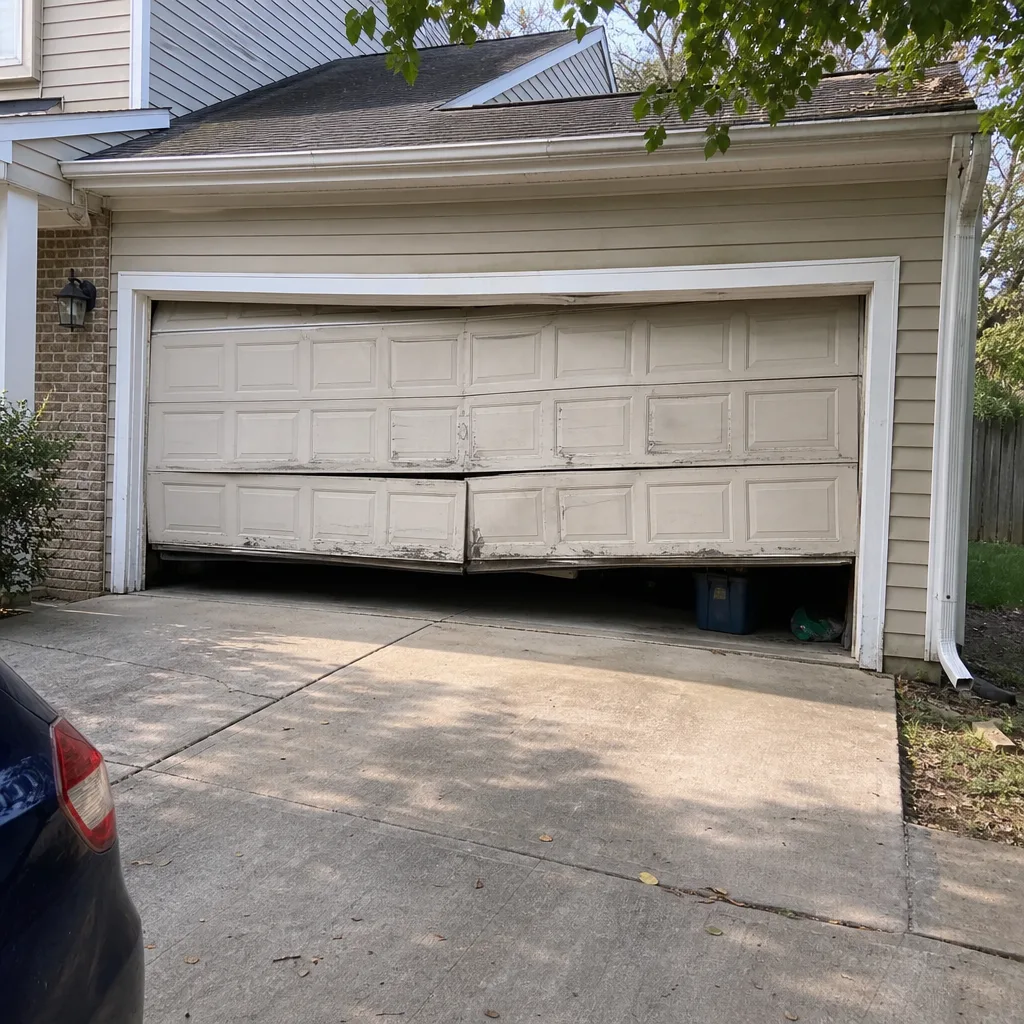 Before
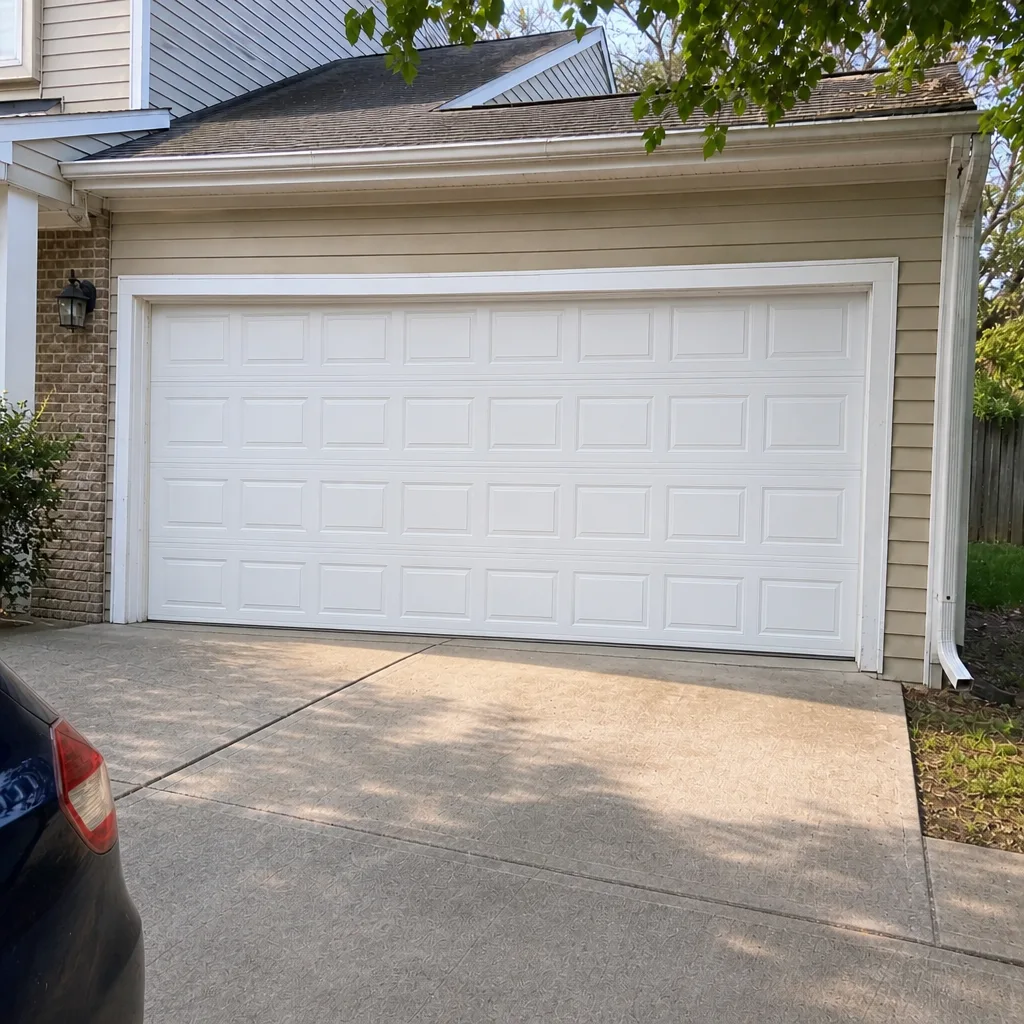 After
When to Call a Professional
Call a technician when your door fails the balance test, when a spring looks stretched or rusty, when the door reverses on its own, when it starts hesitating or making a new loud noise, when a cable looks frayed, or after any weather event that bent a panel or knocked the door off its track. Any of those warrant a professional look, and springs and cables should never be touched by a homeowner. Meadow Garage Door Repair offers free estimates in Columbia and works on whatever hardware you already have, whether it’s a LiftMaster, Chamberlain, Genie or Raynor system. We diagnose before we recommend, and we’ll tell you plainly whether a repair or a replacement is the right call. Call (888) 721-9522. We answer 24/7, and fast dispatch runs from 7am to 7pm, Sunday through Friday. A call outside those hours is booked into the next opening.
Frequently Asked Questions
Twice a year at the shoulder-season transitions, spring and fall, plus a five-minute balance test once a month. That schedule fits Columbia’s climate better than a fixed six-month timer, because the real stress points are the temperature swings at either end of winter, not the steady heat of summer or cold of midwinter. Clearing tracks and testing safety reverse at each transition covers most of what matters.
The balance test is a check where you disconnect the opener, lift the door to about waist height, let go and see whether it holds. A balanced door stays put; a door that drops fast or shoots up needs attention. It matters because it catches developing spring and cable problems weeks before they fail. If the door feels heavy or fails the test, stop and call a technician. Torsion springs are dangerous. Call (888) 721-9522 for a free estimate.
No. Lubricate your door’s hinges, rollers and springs at each shoulder-season transition instead, in spring and fall. Summer and winter are when the weather is most stable, so there’s less stress on the hardware at those times. The transitions are when metal is expanding and contracting and when grit and debris build up fastest. Match your schedule to the transitions, not the calendar.
Not usually. In cold weather, a stiff door or dry rollers make the opener work harder, and it reverses because the force it needs to lift the door exceeds its setting. That’s a hardware problem, not necessarily a motor problem. Have the door checked before replacing the opener. If the opener truly is failing, our technicians have up to 13 years of experience with Genie, Chamberlain, LiftMaster and Raynor systems. Call for a free estimate.
Usually not. Chain-drive openers on Chamberlain and LiftMaster units are generally factory-lubricated, and adding the wrong lubricant collects grit. Check your opener’s manual before oiling the chain, and focus lubrication on the door’s hinges, rollers and springs instead. Belt-drive systems shouldn’t be oiled at all, and screw-drive systems like many Genie units need the specific lubricant the manufacturer recommends.
Most of it, yes. Clearing tracks, lubricating hinges and rollers, testing safety reverse, running the balance test and inspecting seals are all safe homeowner tasks. Springs, cables, the opener’s internals and anything electrical should be left to a trained technician. When in doubt, call us. We’d rather give you a quick answer than have you attempt a spring adjustment. Call (888) 721-9522.
The Bottom Line
The right maintenance schedule for a Columbia garage door is built around shoulder seasons and usage, not arbitrary calendar dates. Do your heaviest checks in the spring and fall transitions, run the five-minute balance test once a month, lubricate according to your opener and hardware type rather than a blind six-month timer, and keep a simple written log so every future service call is faster. Skip the busywork, never touch a spring or cable, and call a professional when the balance test fails or the door starts behaving differently. A little attention at the right moments keeps the door working far longer than a calendar ever will.
Written by the team at Meadow Garage Door Repair.