
Last updated November 16, 2026
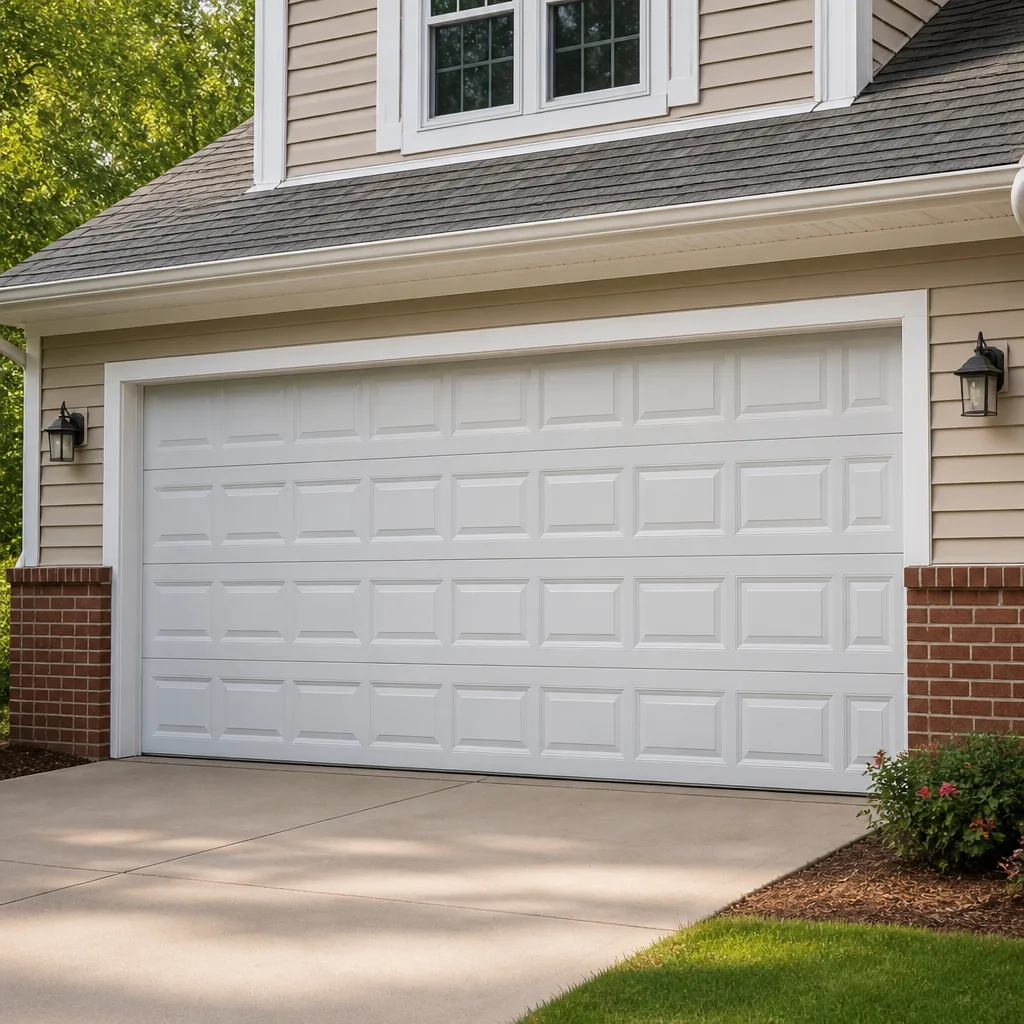 Raised-panel steel
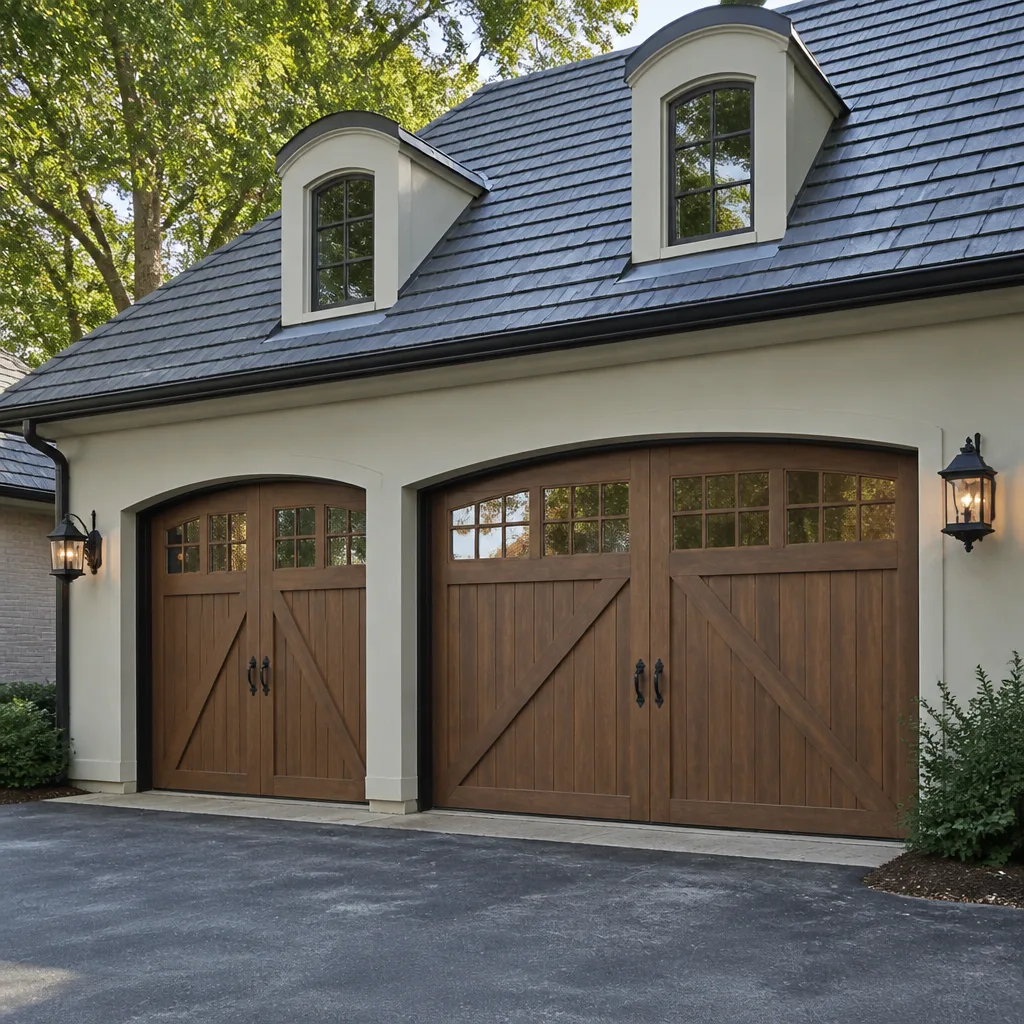 Carriage house
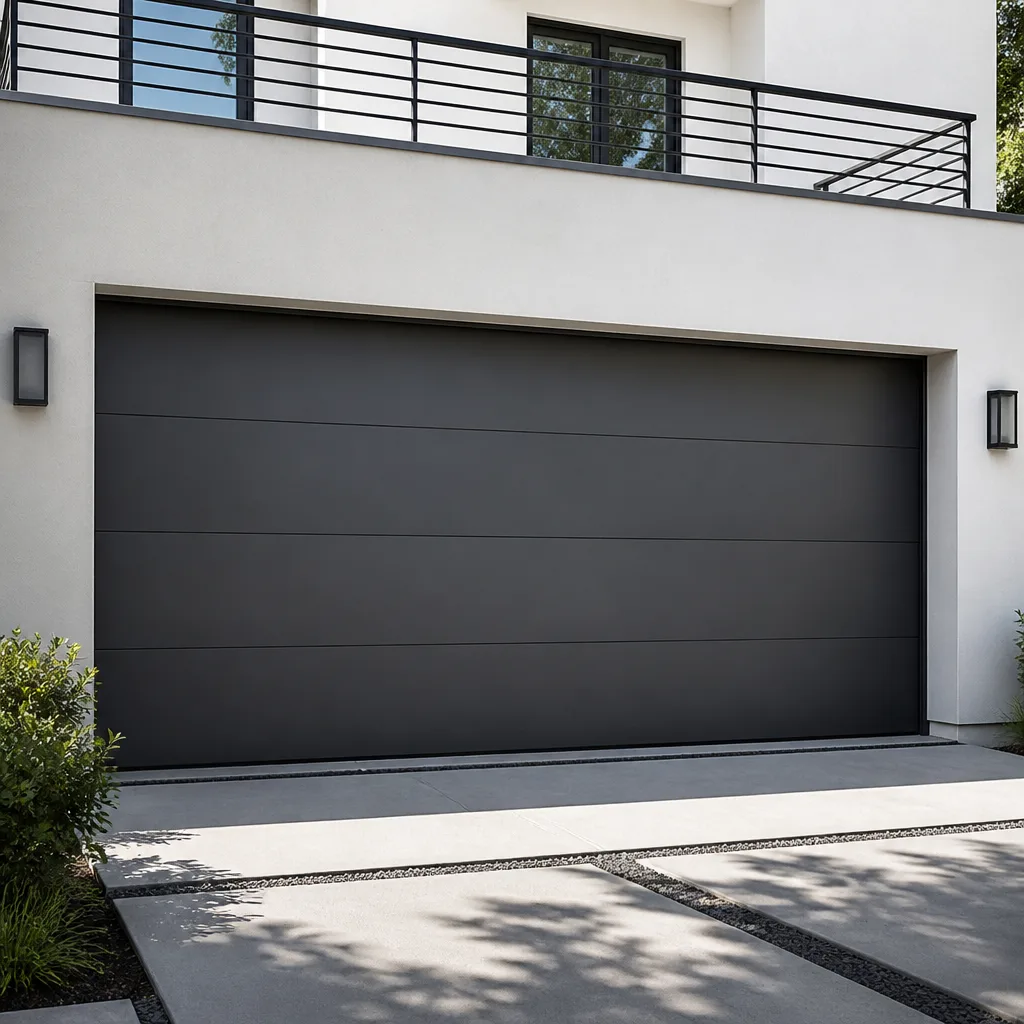 Modern flush
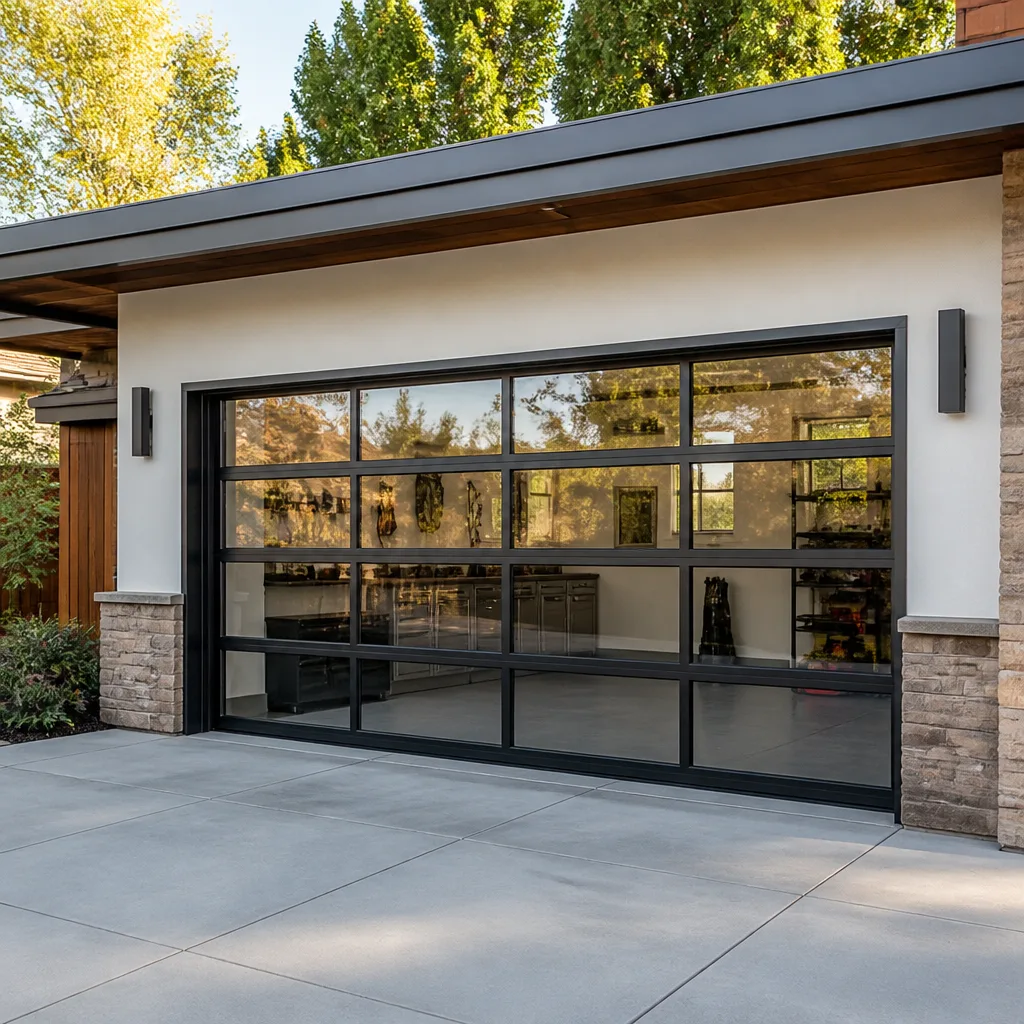 Full-view glass
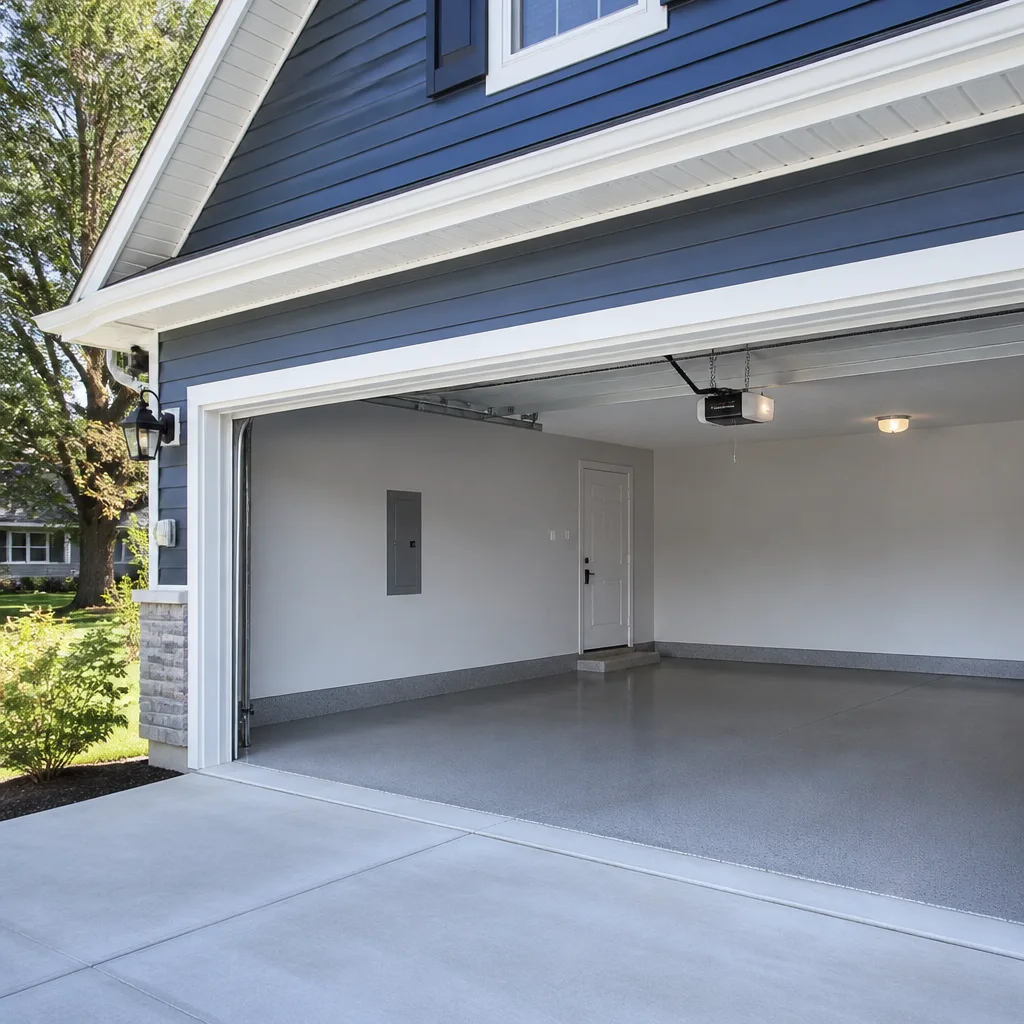 LiftMaster openers
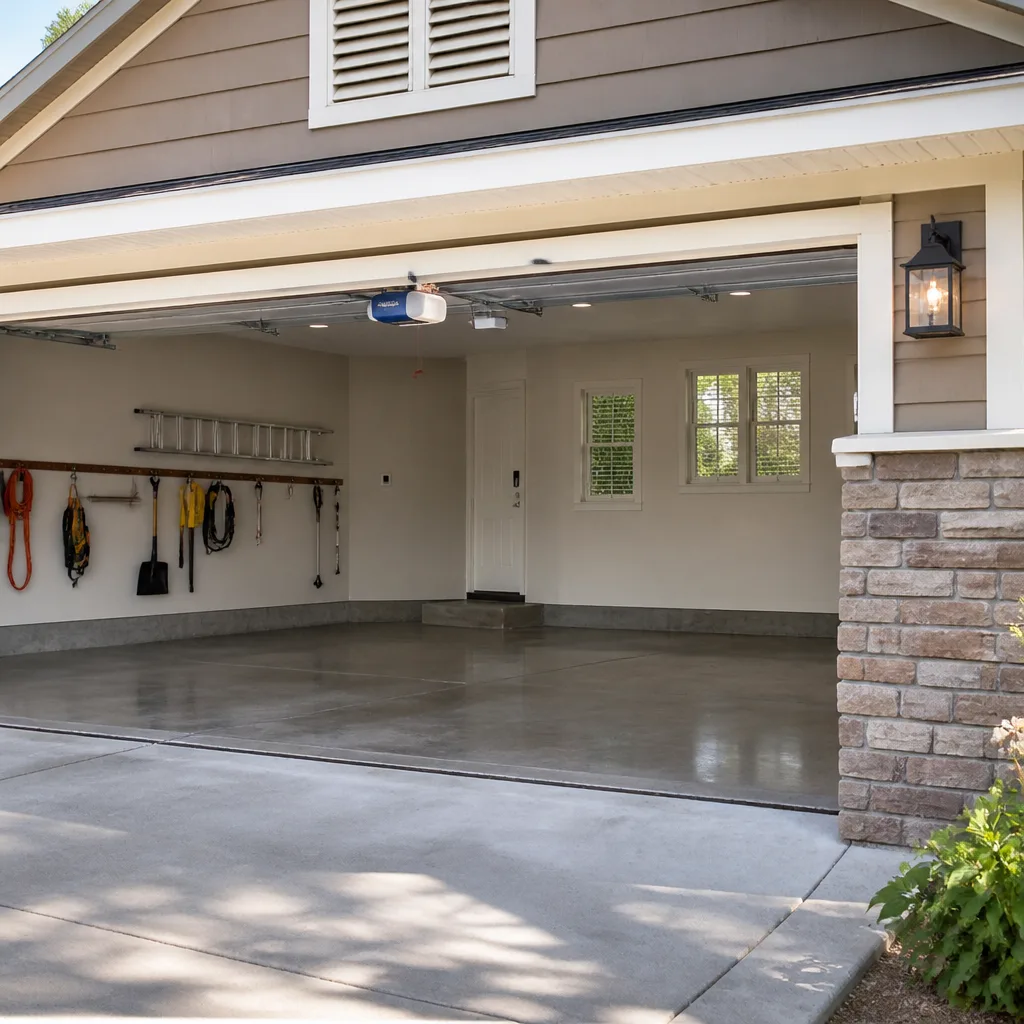 Chamberlain openers
Full 25-point door and opener safety check with every visit - springs, cables, rollers, tracks, and your LiftMaster or Chamberlain opener included
You get a price before we start. It does not change when the pro arrives.
Get your free estimateGarage Door Repair Troubleshooting in Columbia: Common Problems and How to Fix Them
Your garage door is telling you exactly what’s wrong. Most homeowners just don’t have the translation key yet. Three sounds (a sharp bang, a grinding scrape, a rhythmic click), two movements (a door that jerks sideways on the way down, a door that reverses before it lands), and one smell (a hot, acrid odor near the motor housing) map directly onto four mechanical systems: springs, cables, tracks, and the opener. Learn to read those signals and you can tell a tension problem from a motor problem before anyone touches the door. This guide walks Columbia homeowners through symptom-to-system troubleshooting, shows which checks are safe to do yourself, and points out exactly where to stop and call a trained technician. We’ve worked on LiftMaster, Chamberlain, Genie, Clopay, Amarr, Wayne Dalton, Craftsman, and Raynor equipment, so the method below holds whether your door came with the house or went in last spring.
Quick Answer
Garage door problems in Columbia usually trace back to one of four systems: torsion or extension springs that have lost tension or broken, cables that have slipped off their drum, tracks that have been bent out of alignment, or an opener motor or sensor that has failed. You can safely identify which system is at fault by watching how the door moves, listening to where a noise comes from, and testing the manual release. Spring and cable work is dangerous and belongs to a trained technician; opener resets, sensor cleaning, and track checks are things you can handle yourself.
Styles & brands we work with
- Raised-panel steel
- Carriage house
- Modern flush
- Full-view glass
- LiftMaster openers
- Chamberlain openers
Table of Contents
- The Symptom-to-System Map: Read Your Door Like a Technician
- Door Won’t Open? Five Root Causes and How to Narrow Them Down
- Spring and Cable Problems: The Sounds, the Signs, the Safety Line
- Track Misalignment: What Grinding and Wobble Actually Mean
- When the Problem Is the Opener, Not the Door
- How Columbia’s Humidity and Temperature Swings Mimic Opener Failure
- What You Can Check Yourself, and Where the Danger Starts
- What to Photograph and Note Before You Call
The Symptom-to-System Map: Read Your Door Like a Technician
Every garage door failure announces itself through a limited set of symptoms, and each symptom belongs to a system. A technician doesn’t begin by opening a toolbox; we begin by watching the door operate, listening to where the noise originates, and reading the movement. That’s the whole diagnostic method, and it’s not hard to borrow.
| Symptom | Most Likely System | Safe to Check Yourself? |
|---|---|---|
| Loud bang, door won’t lift, gap above the top panel | Torsion spring break | No – stop and call |
| Door lifts crooked, one side lags | Cable off the drum or a broken extension spring | No – stop and call |
| Rumbling, scraping, or grinding as the door travels | Track misalignment or worn rollers | Visual inspection only |
| Door reverses before touching the floor | Sensor alignment or opener travel limit | Yes – sensors and travel limits are homeowner-safe |
| Motor hums but door doesn’t move | Opener gear or drive failure, or a broken spring | Partial – test the manual release first |
| Remote works intermittently | Remote battery, opener logic board, or interference | Yes – battery and reprogramming first |
| Hot, acrid smell near the motor | Opener capacitor or winding failure | No – unplug and call |
Two things to keep in mind as you use the table. First, symptoms overlap: a door that won’t open can be a spring failure, a cable issue, or an opener fault depending on the details. Second, never overlook the cheap explanations in favor of the expensive one. A door that reverses on its way down is a sensor problem more often than a motor problem. For context on any of these symptom categories, our garage door repair service page covers each system in more depth. If you’d rather skip the detective work, our Meadow Garage Door Repair team is the easiest place to start.
Door Won’t Open? Five Root Causes and How to Narrow Them Down
“The door won’t open” is the single most common call we get, and it corresponds to five completely different repairs. Before you dial, work through the checks below. They take about three minutes and can save a technician a diagnosis round.
- Test the manual release. Pull the red cord (with the door fully closed and nobody under it) to disconnect the opener carriage from the door. Then try lifting the door by hand, about a foot off the floor. If it’s nearly impossible to lift or feels very heavy, a spring has likely lost tension or snapped. If it lifts easily and stays put, the door hardware is fine and the opener is the suspect.
- Check the wall switch. If the wall button doesn’t respond either, you probably have a dead opener or a tripped circuit. If the wall switch works but the remote doesn’t, the issue is remote-side.
- Check the safety sensors. Look for blinking LEDs at the bottom of the tracks. A misaligned or dinged photo-eye is a very common reason a door stops responding. Wipe the lens with a soft cloth and nudge the bracket back into alignment.
- Listen, don’t look. A humming motor with no movement points to the opener’s internal gear. A motor that clicks and stops points to the logic board. Silent means a power or safety-reverse issue.
- Look for physical clues. A gap in the panel stack, a visible kink in a cable, or a door that’s tilted at rest all point away from the opener and toward the door’s balance system.
That’s the whole narrowing process. If step one reveals a heavy door, stop there. Spring and cable repairs are not a homeowner job, and this is the point where garage door opener repair gets ruled in or out. Most Columbia homes end up needing one or the other, so the diagnostic discipline matters. If you’re not sure, our opener service covers the motor side thoroughly, and door panel and spring work is a separate category we handle too.
Why the Same Symptom Has Five Root Causes
Homeowners are surprised when a technician spends ten minutes narrowing a “door won’t open” call. The reason is that the door is a mechanical system with several sub-systems cooperating: springs carry the weight, cables transmit the spring force, tracks guide the travel, and the opener provides the pushing and pulling. Break any one of those and the door stops. The manual release test separates the weight-carrying side (springs and cables) from the drive side (opener), which cuts the diagnostic tree roughly in half right away.
Spring and Cable Problems: The Sounds, the Signs, the Safety Line
Springs and cables are the two components a homeowner should never service. Torsion springs on a typical Columbia door are wound to carry hundreds of pounds of force. When one fails, that stored force has to go somewhere. The bang you hear is spring wire snapping and releasing tension. This is exactly why we don’t provide step-by-step spring replacement instructions, and neither should anyone else. What we do want is for you to recognize spring and cable symptoms clearly, so you don’t waste a service call hoping for a cheap fix.
Signs a Spring Has Failed
- A single loud bang, often described as sounding like a gunshot or a car backfiring from inside the garage
- A visible gap of two to four inches in a torsion spring coil above the door, or a sagging extension spring beside the track
- The door is very heavy to lift by hand
- The opener runs but the door stays put, or lifts only a few inches and stalls
- A door that closes with a slam because the spring is no longer counterbalancing the weight
Signs a Cable Has Slipped or Snapped
- The door lifts crooked, with one side noticeably higher than the other
- A slack or coiled steel cable visible at the bottom side of the door
- Loud metal-on-metal scraping as the door travels
- Frayed strands along the length of the cable
Cable work is every bit as dangerous as spring work. The safety caveat is the same: stop, don’t touch, and call a trained technician. In our experience with Clopay and Amarr doors in Columbia backyards, cables and springs are typically the first components to fail on a door that’s been through several seasonal cycles. Ask any homeowner about their door’s behavior over the years and you’ll hear the same story: a slow descent into stiffness and noise that finishes with a bang.
What Happens After the Call
When you call about a spring or cable problem, the technician needs three facts: whether the door is open or closed right now, whether they can safely park and walk into the garage, and whether any objects are trapped under the door. Those answers determine how the visit is scheduled. The rest, including the exact spring count and size, is measured on site. Our technicians have up to experience, and none of them arrive expecting to replace a spring without measuring it first.
Track Misalignment: What Grinding and Wobble Actually Mean
A grinding or scraping door usually has a track problem or a roller problem. Both are things you can inspect by eye, which makes this category easier to self-diagnose than springs or cables. Here’s what to check.
- Stand back and look at the door track lines. Both vertical tracks should be plumb (straight up and down) and parallel. Both horizontal tracks should be level. If one side leans in, the door can drag or hang on that side.
- Check for dents and bends. Even a small inward bend at a roller joint will cause a rhythmic scrape as the roller travels past it. Look especially at the transition where the vertical track meets the curved section.
- Look at the rollers. Steel rollers on old doors develop flat spots. Nylon rollers can crack. Either will cause noise. If you see a roller that’s visibly out of round or split, that’s likely your grinding source.
- Check the door’s travel path with the opener disengaged. With the manual release pulled and the door closed, lift the door manually and feel for any point where it binds. A bind at the same height every time points to a fixed obstruction, like a misaligned track or a bent hinge.
Tracks can often be realigned without replacement, but only if the underlying cause (a bumped track from a car bumper, or a bent section) is corrected. Repeated track misalignment usually signals a deeper balance problem, so the fix isn’t just “straighten the track and move on.” Our Columbia team sees a lot of track issues on doors that were installed years ago and have simply settled.
Why Noise Is a Useful Diagnostic
Where a sound comes from tells you what system to inspect. Grinding from one track means that track. A rhythmic click that cycles once per door revolution usually means a roller or hinge. A squeal that lasts through the travel means dry rollers or hinges (yes, they need lubrication). A heavy, low-pitched thud at the top of the travel means the opener is slamming the door into its stop, which is a travel-limit problem rather than a door problem.
When the Problem Is the Opener, Not the Door
Openers are their own diagnostic world: motors, gears, capacitors, logic boards, remotes, and photo-eye sensors. When a door mechanically moves fine but the opener behaves oddly, the door is fine and the motor system is the culprit. Opener service is a distinct skill set, and we treat it as one; the electronics knowledge doesn’t transfer from door-panel work, which is why our opener repair line handles a separate category of call.
Common Opener Symptoms and Their Most Likely Cause
- Motor hums, door doesn’t move: worn internal gear or stripped drive sprocket. Unplug the unit and call.
- Door opens partway, then reverses: misadjusted travel limit, or a sensor obstruction.
- Wall switch works, remote doesn’t: dead remote battery, lost programming, or a logic-board receiver issue.
- Faint clicking, no response: capacitor or logic-board failure.
- Blinks a code at the motor unit: a modern LiftMaster or Chamberlain unit with a diagnostic LED code is telling you the fault. Note the blink pattern before you call; the technician can usually identify the problem from that alone.
One note on brand familiarity. Genie units and Wayne Dalton doors in particular come up often in Columbia, and their gear design and sensor placement differ enough that knowing the make saves time. Our team services LiftMaster, Chamberlain, Genie, Clopay, Amarr, Wayne Dalton, Craftsman, and Raynor equipment, and the reason we name the list is so you can check it against your door’s label before you call.
Remotes and Smart-Home Integration
Modern openers can integrate with smart-home systems, and that adds a layer of diagnostic complexity. If the opener works with the wall switch but your phone app is flaky, the problem is in the integration layer rather than the motor. A brief reset of the bridge or hub usually fixes it. If the door works from the app but the wall switch is dead, you have a physical wiring issue, not a smart-home issue. Keeping that distinction clear prevents a lot of unnecessary repair visits.
How Columbia’s Humidity and Temperature Swings Mimic Opener Failure
Columbia’s summers are humid enough that wood components swell, and its winters are cold enough that metal contracts, lubricants stiffen, and doors sit slightly differently in their tracks. Every spring and every fall, we get calls that read as “opener failure” but turn out to be seasonal misalignment: the door has shifted a quarter inch on its hinges, or a hinge has stiffened, and the opener is straining to push a door that used to glide.
How to Tell Seasonal Misalignment from a Real Failure
- Ask yourself whether the symptom appeared gradually. A slow decline over several weeks is seasonal or mechanical wear. A sudden failure is usually a snapped spring, a snapped cable, or a dead opener.
- Check the door’s rest position. If it sits slightly crooked in the frame when closed, or if one corner touches before another, the door has shifted. That is not an opener problem.
- Try the manual release. If the door is noticeably harder to lift than it was last month, the balance system (spring or hinge stiffness) has changed.
- Check for daylight. A visible gap of daylight around the door when closed can be a weatherstrip issue, but a gap that’s asymmetrical means the door is sitting differently in its frame.
Once the seasonal shift is confirmed, the fix is usually an adjustment, not a replacement. That said, an opener that strains against a misaligned door wears faster, so ignoring the seasonal shift invites a real motor failure down the line. This is the pattern we’ve seen over and over in Columbia: fix the door alignment, and the opener’s lifespan extends with it.
What to Do About It
Schedule a door alignment check before the seasons change. A yearly lubrication of rollers, hinges, and springs goes a long way, and balance tests take a technician about five minutes if the door is otherwise in good working order. Our team can do that check in the same visit as any other repair, which usually makes it the cheapest visit of the year. If you want a fixed picture of what repair work is worthwhile versus what’s overworn, this kind of on-site look is the best way to get one.
What You Can Check Yourself, and Where the Danger Starts
Homeowners ask us constantly where the line is between “safe to check” and “call someone now.” Here’s our honest answer.
DIY-Safe Checks
- Visual inspection of tracks, rollers, hinges, and panels from the floor
- Testing the wall switch and remote
- Cleaning photo-eye sensors and adjusting their brackets
- Reprogramming remotes and keypads
- Testing the manual release (with the door down and no one underneath)
- Resetting a tripped breaker that feeds the opener
- Checking the balance of a door by lifting it a foot by hand and seeing whether it stays
Stop-Here Lines: Do Not Proceed
- Any spring work. Torsion and extension springs store lethal amounts of energy. Winding, unwinding, adjusting, or replacing them is trained-technician work only.
- Any cable work. Cables are under the same tension as the springs they transmit force from. A cable that’s come off a drum can whip if improperly handled.
- Any adjustment to the door’s tension rods or winding cones. These require proper winding bars and a controlled technique. Improvised tools (screwdrivers, pliers) have caused severe injuries.
- Working on any door that is currently held open by an open spring or a slack cable. Call a technician and keep everyone out of the garage until it’s safe.
- Attempting to realign a door that has dropped on one side. The weight is no longer being supported on both sides and a sudden failure can drop the panel onto you.
How to Read the Line
If the check involves only visual inspection, wiping a sensor, or resetting a breaker, you’re safe. If it requires any tool that touches the door’s load-bearing hardware (springs, cables, winding bars, hinges under load), it’s a technician job. That’s the whole rule. Anyone who tells you otherwise hasn’t watched what a released torsion spring does to a hand.
What to Photograph and Note Before You Call
Here’s how to turn a twenty-minute diagnosis into a five-minute conversation. When you call, a few photographs and a couple of noted details let the technician arrive already pointed in the right direction.
What to Photograph
- A wide shot of the door from inside the garage, so the technician can see the entire track and spring setup
- A close-up of the torsion spring (or extension springs) above or beside the door
- The condition of both cables at the bottom corners
- A close-up of any visible bent track or dented panel
- The opener’s motor unit with the brand label visible
- The door’s brand label (usually inside the top panel or near a hinge)
- The LED blink code, if the opener is showing one
What to Note in a Few Sentences
- What the door does when you press the wall switch versus the remote
- Whether the door is currently open or closed, and whether it’s stuck there
- When the problem started: suddenly or gradually
- What the door sounds like during operation (grinding, squealing, thudding, silent)
- Whether the manual release changes anything
That’s the entire prep list. Hand that to any technician and the service call can skip the exploratory phase. It also protects you, because the technician knows exactly what to bring. When you’re ready to call, we book Columbia visits by description first, then confirm on site. Our Columbia service is designed around that description-first intake for exactly this reason. For the full brand and service picture, our Meadow Garage Door Repair page has everything in one place.
Common Mistakes to Avoid
- Diagnosing the opener before testing the door. Half the “opener failure” calls we get turn out to have a mechanical problem on the door side. Test the manual release first; it takes sixty seconds and rules out the biggest category of misdiagnosis.
- Assuming a heavy door is normal. If you have to lift with both hands and lean back to get the door up a foot, the spring has lost tension. A balanced door lifts easily with one hand.
- Blaming the sensors for every reverse. Sensor alignment causes most reverses, but a travel limit that’s set too far down will do the same thing. If cleaning the sensors doesn’t fix it, check the travel limits on the motor unit before assuming sensor damage.
- Oiling the tracks. Tracks should be clean and dry. Lubricant attracts grit and turns the tracks into a grinding surface. Lubricate rollers, hinges, and springs, not the tracks themselves.
- Using WD-40 on the springs. General-purpose spray is a solvent, not a lubricant. It thins and displaces proper lubricant rather than replacing it. Use a garage-door-specific lubricant on the springs and hinges.
- Skipping the seasonal adjustment. A yearly check after the humidity shift prevents “sudden” opener failures that were really door alignment problems building for months.
- Putting off a loud bang. A spring break with a stored-tension door is not a “wait and see” problem. The door can drop unexpectedly, and the opener will burn itself out trying to lift an unbalanced load. Call the same day.
See the difference
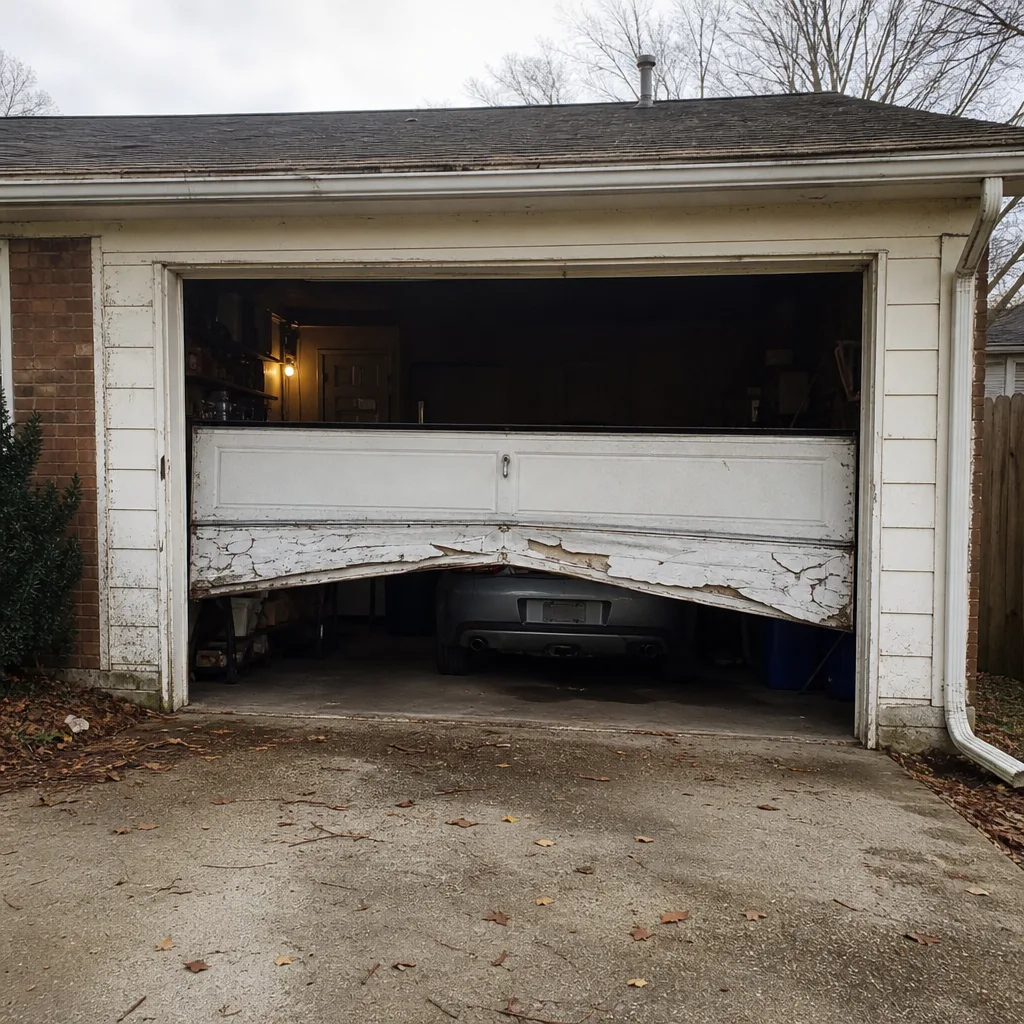 Before
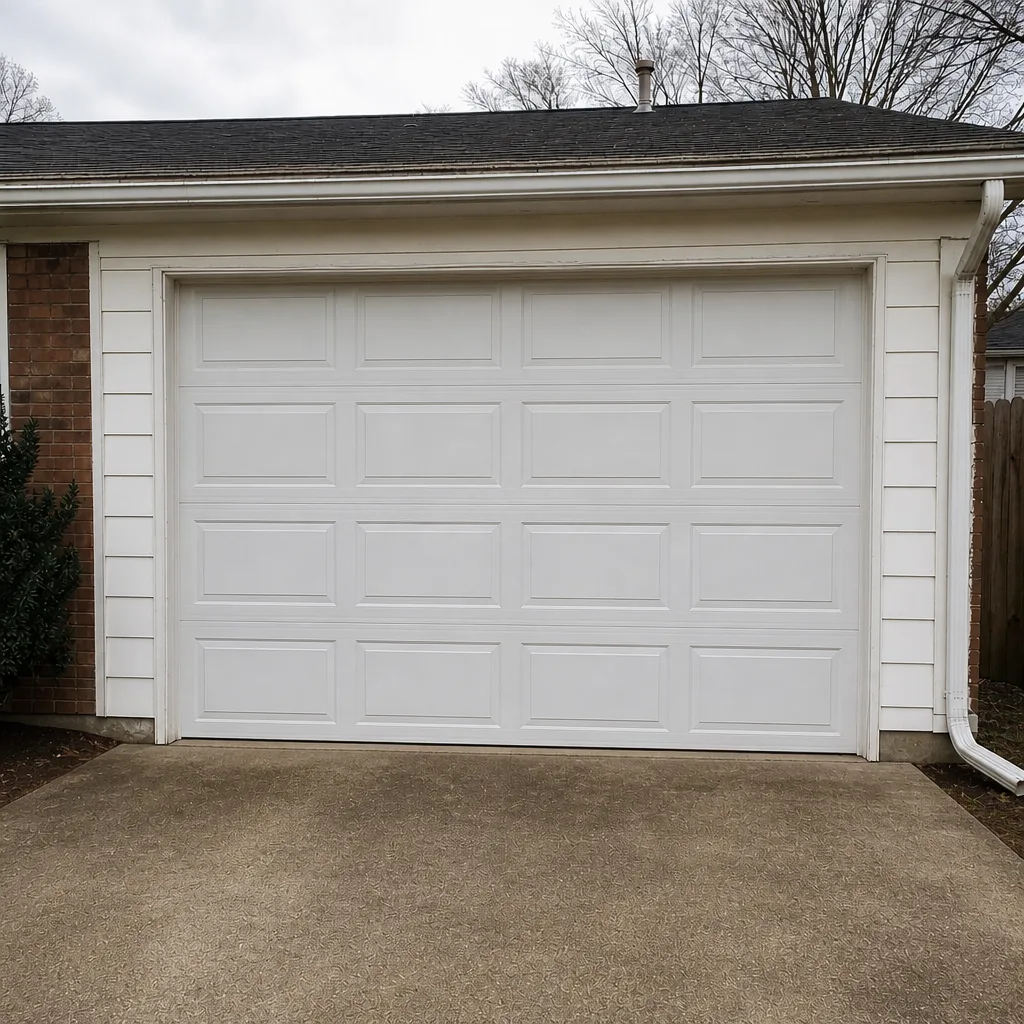 After
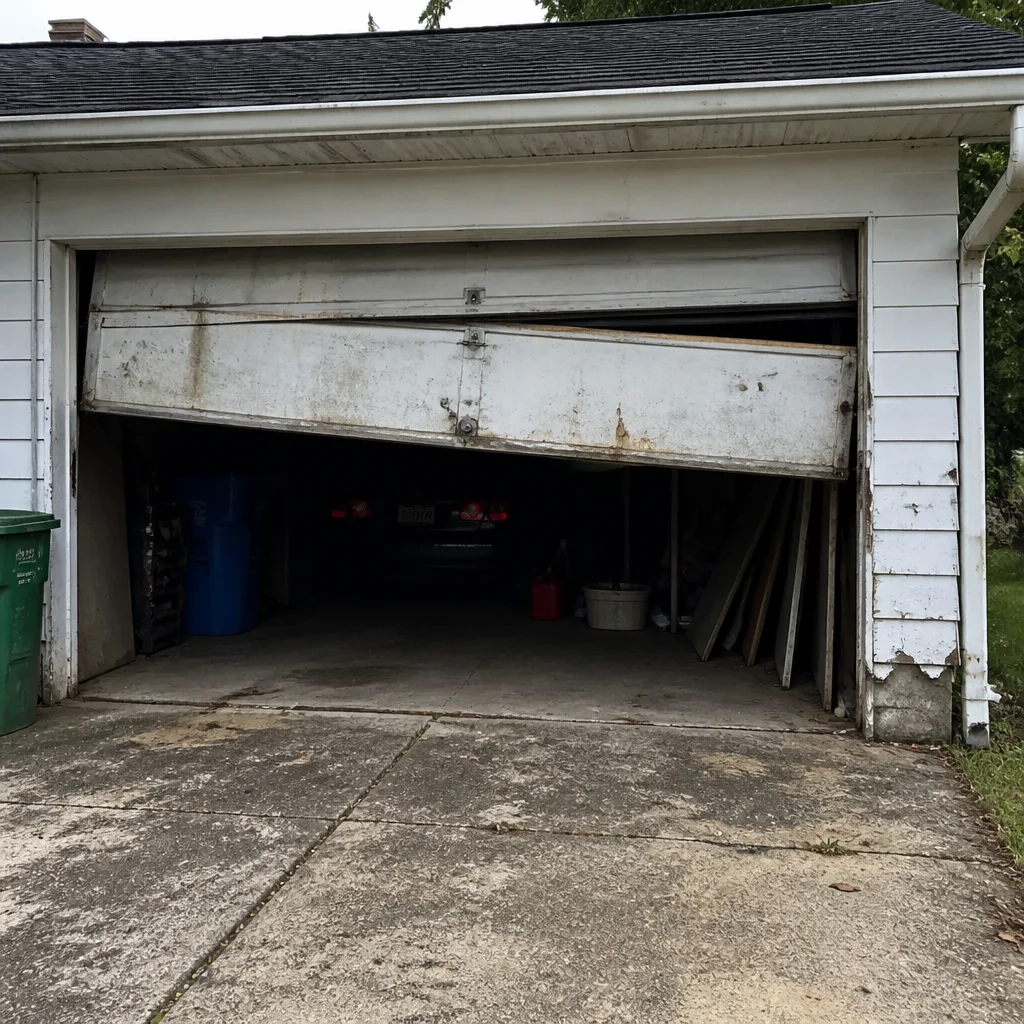 Before
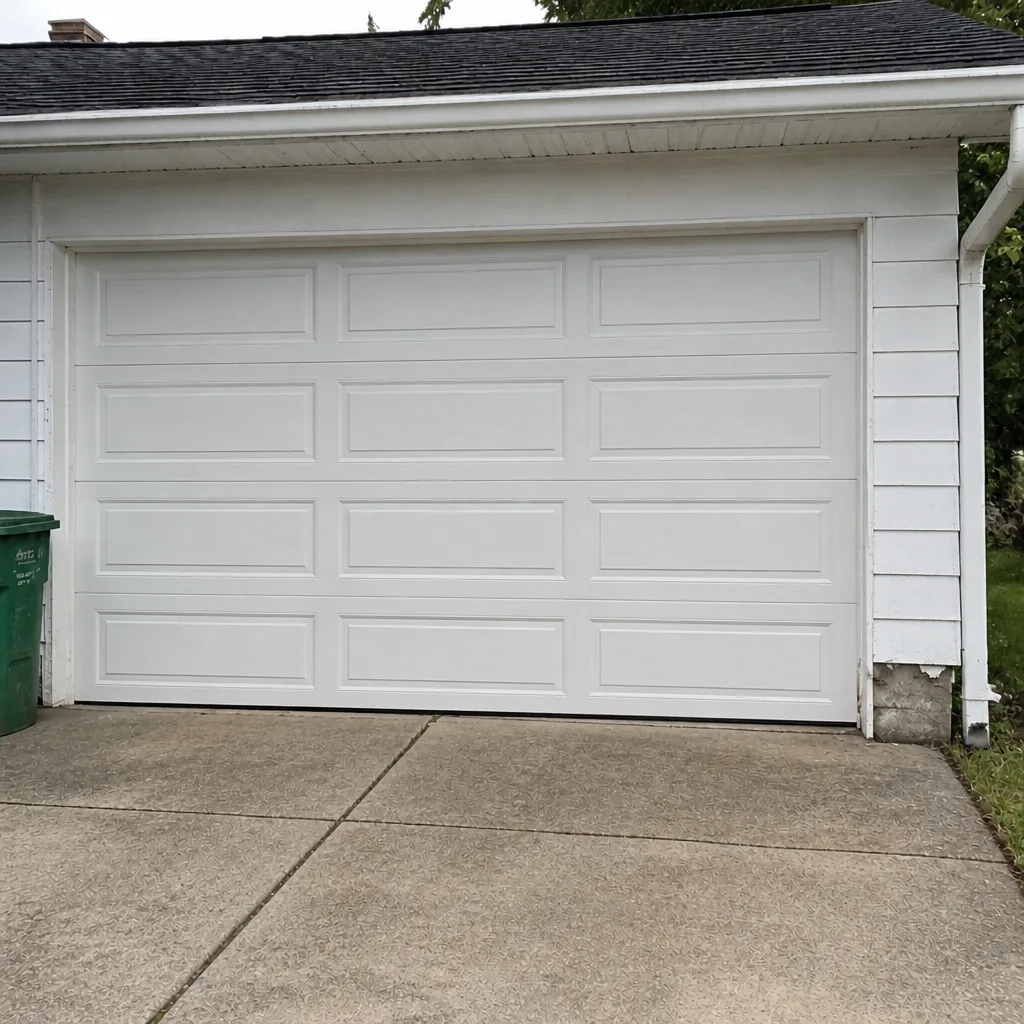 After
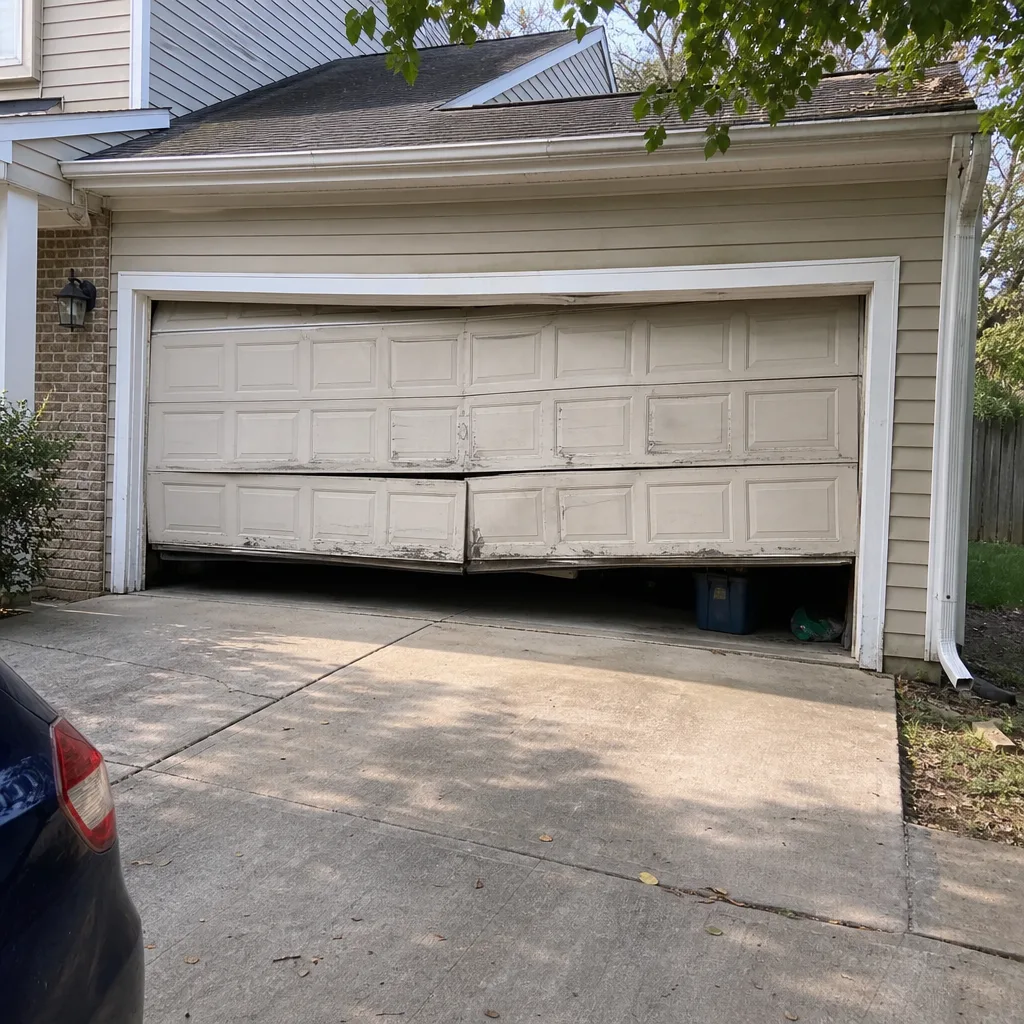 Before
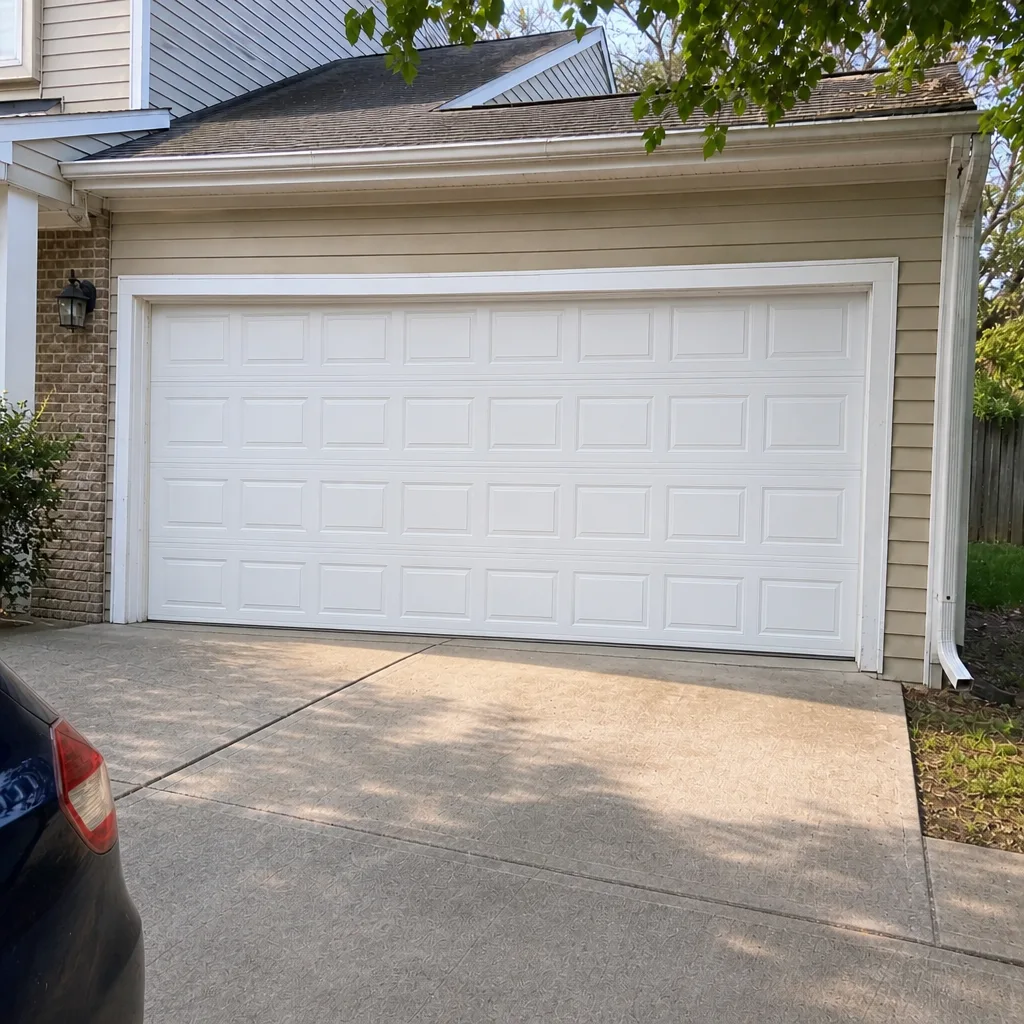 After
When to Call a Professional
Call a professional the moment any of these come up: a spring or cable has popped, the door is crooked or hanging on one side, the opener hums without moving the door, or anyone in the household has heard the garage door make a sound it doesn’t normally make. Call immediately if the door is stuck open overnight; it’s a security concern and a safety one, and leaving it that way invites secondary damage. Spring and cable failures, opener motor and gear replacements, track realignment with a real bend, and full opener diagnosis all need a trained technician on site. Meadow Garage Door Repair offers free estimates in Columbia. Call (888) 721-9522. We answer 24/7. Fast dispatch from 7am to 7pm, Sunday through Friday. If the door has failed, keep everyone out of the garage and the door area until a technician confirms it’s safe to operate.
Frequently Asked Questions
Most garage door repairs in Columbia fall somewhere between a basic adjustment and a full spring replacement, with the price set by the specific job. A technician measures the door, identifies the failed component, and gives a written estimate before any work starts. Call (888) 721-9522 for an exact quote; estimates are free.
Same-day service is often possible for repair calls, and we work on the description-first model so the technician arrives prepared. Call (888) 721-9522 with a photo of the door and the symptom description. We answer 24/7, with fast dispatch from 7am to 7pm, Sunday through Friday.
The written estimate is the price. We measure and diagnose before quoting, so the number on the estimate is the number you pay for the agreed scope of work. If the diagnosis uncovers a different problem, that’s a new conversation and a new estimate, not a surprise on the invoice.
Our technicians are state-licensed and insured, and have up to experience in the field. Our team services LiftMaster, Chamberlain, Genie, Clopay, Amarr, Wayne Dalton, Craftsman, and Raynor equipment. If you want to confirm licensing details before booking, ask when you call.
A door that opens on its own is usually triggered by a stuck wall switch, a neighbor’s remote on the same frequency, or a logic board fault in the opener. In Columbia, humidity-driven swelling on older wall switches is one frequent cause. Start by unplugging the opener and watching whether the door still opens.
Pull the manual release with the door closed, then try lifting the door by hand about a foot. If it’s very heavy, the spring is broken. If it lifts easily, the door is fine and the opener is the suspect. Either way, spring work requires a trained technician, so if the door is heavy, stop there and call.
Yes. Repair, opener service, and new installation are all handled by the same company, so a repair that turns into a replacement doesn’t require a second vendor. If you’re weighing repair against replacement, a technician can walk through both on the same visit.
The Bottom Line
Most garage door problems come down to springs, cables, tracks, or the opener, and the symptom you see tells you which. Test the manual release first to separate the door side from the motor side. Watch where the noise comes from, check the sensors and travel limits before assuming the motor is dead, and remember that seasonal shifts in Columbia’s humidity can mimic an opener failure. Stop the moment you’re dealing with springs or cables; those repairs are not a homeowner job. Photograph the door, note the behavior, and call. Meadow Garage Door Repair offers free estimates in Columbia: (888) 721-9522. We answer 24/7, with fast dispatch from 7am to 7pm, Sunday through Friday.
Written by the team at Meadow Garage Door Repair.